Bridging education and practice in architecture
The transition from university to professional practice is a defining stage in an architect’s development, bridging the gap between academic exploration and the realities of delivering projects.
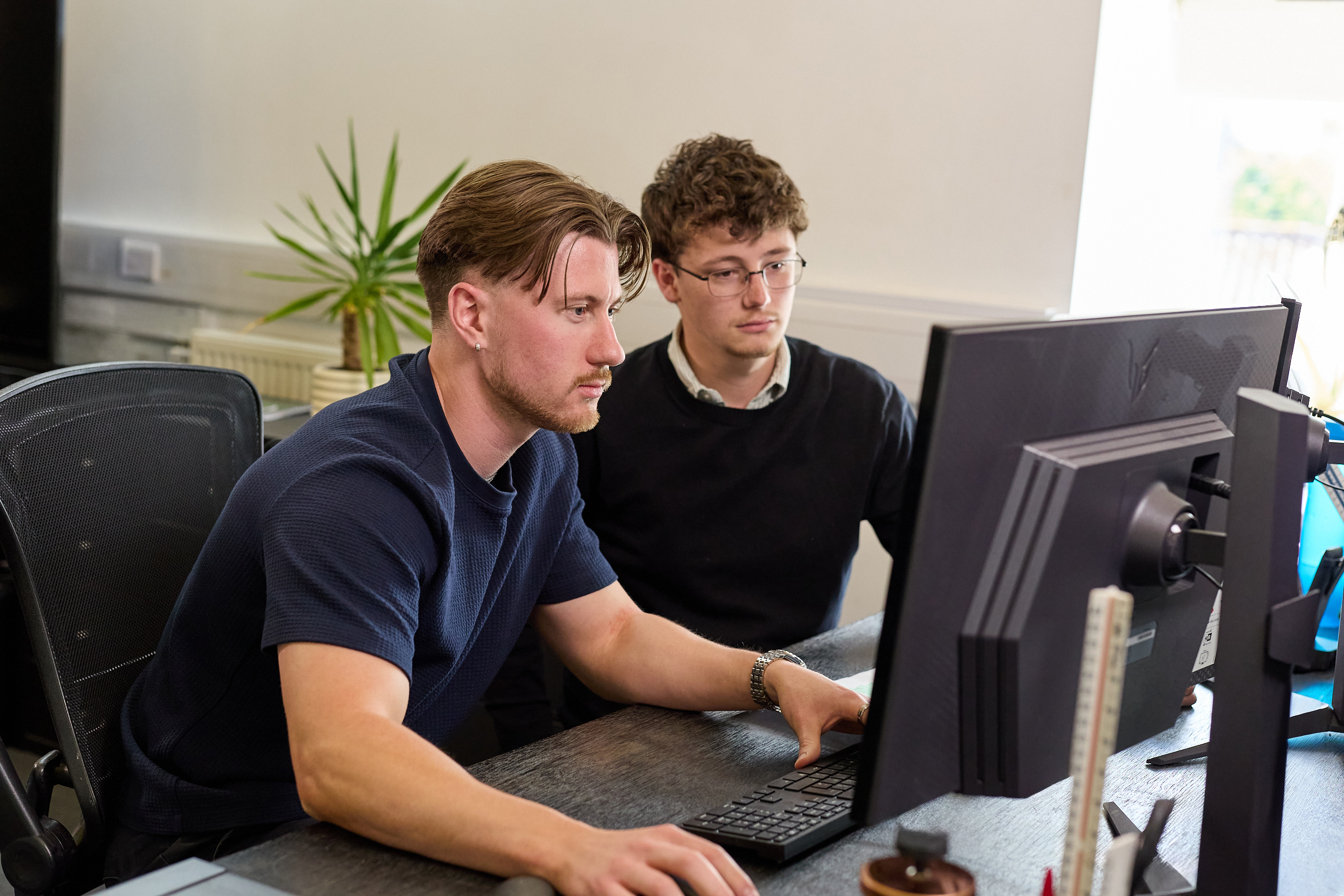
Lewis Evans and Tom Rawlings reflect on their experiences at WDA, sharing how their time in practice has broadened their understanding of architecture, strengthened their skills through collaboration, and shaped their perspectives as they continue their journey towards qualification.
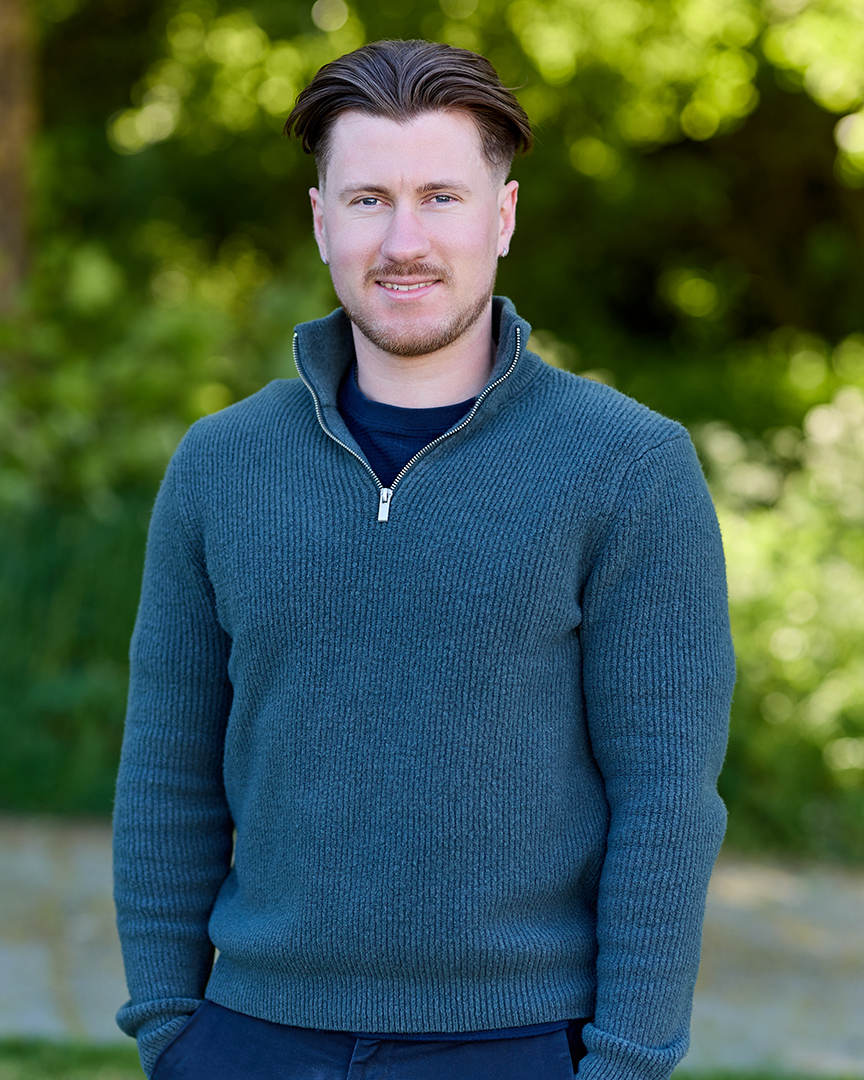
Lewis Evans | My Transition from University to Practice:
Architectural education is often centred around ideas, developing concepts, testing creative boundaries, and learning how to think critically about the built environment. University has been invaluable in shaping how I approach design, but stepping into practice for my placement year has offered a very different kind of learning experience one grounded in the realities of delivering architecture.
Before starting in practice, I viewed my placement year largely as a stepping stone on the route back to university and, ultimately, towards qualification. Like many students nearing the end of their undergraduate studies, I was eager to complete my degree, step into the professional world, and begin making a meaningful contribution to my environment. However, spending time in practice has shifted that perspective entirely.
One of the biggest changes in my understanding has been a growing appreciation for the level of detail involved in bringing architecture to life. At university, much of the focus naturally sits on the broader concept; exploring ideas, shaping design intent, and considering the wider impact of architecture. In practice, I’ve come to understand how important it is to carefully resolve those ideas, where even the smallest decisions can influence how smoothly a project progresses.
I’ve also gained a much clearer understanding of how collaborative architecture really is. Unlike university, where projects are often shaped by individual thinking, practice is built around constant communication, coordination, and shared expertise. Seeing how ideas develop through collaboration and collective problem-solving has been one of the most valuable parts of my experience so far.
My shift in perspective in response:
More than anything, this time in practice has shown me that it’s not simply a pause in education – it is a vital part of it. While university provides the foundation for creative thinking, design exploration, and critical reflection, practice offers a completely different kind of learning. It develops confidence, deepens understanding, and teaches lessons that are difficult to fully appreciate within an academic setting alone.
As I look ahead to returning for my Masters, I do so with a much broader perspective on what architecture is and what it takes to bring well thought designs into reality. More importantly, I return with a renewed appreciation for the journey towards qualification, not as a race to the finish line, but as a process where each stage offers its own invaluable lessons in shaping both the architect and the architecture they create.

Tom Rawlings | Finding your place in practice
Working in practice offers an atmosphere of collaboration between different generations and experiences, built around the common interest of design. As a younger employee, having just completed my Part 1 studies, entering practice has unearthed an expanse of knowledge to call upon. By working in a collaborative environment, I have been able to call upon my colleagues to further my understanding of both design principles and construction.
With that being said, I have been enrolled within WDA, as a team member, where I feel that I have a position within the practice. Much alike Lewis, when originally applying for my placement, I viewed it as a bridge to achieving my goal of being an architect, as a step in returning to university. However, the working environment has provoked new thoughts and approaches, which are setting precedent in how I view architecture.
Working collaboratively with colleagues with vast expertise, has been fundamental in growing as a designer, in which I have expected to learn from my peers. To accompany that, I have felt support within the practice to share my understanding and introduce ideas onto schemes and how projects are worked on at WDA. Whereby I can offer a different perspective on the way the industry is progressing and how this can be integrated.
As a student, it paid to be in touch with the developing sector, through means of software’s and technology, to produce efficient outputs. This remains ever present in practice, where the recent rise of AI has been well received at WDA. To accompany this growth, I have been supported to develop these skills and introduce them to my colleagues, ensuring that, as a collective we strive to stay innovative.
In summary, sharing personal interests and research has been fundamental in the way that we practice as a company, staying grounded with our locality and approach, whilst pledging to remain forthcoming.

Collective Round up
We are both fortunate to have committed to staying with WDA as we will be completing our Part 2 while continuing to work. We look forward to sharing our progression in the near future.
Published 13 July 2026