Heritage Architects
Our experienced team at WDA have been managing change to historic buildings since 1986, under the guidance of Director Phil Easton, one of only three RIBA Accredited Conservation Architects in Dorset.
Western Design Architects’ knowledge of historic buildings and practical experience of traditional construction techniques help us understand what can be changed, what should be protected and how to develop proposals that work for both the building and the people using it.
“We need to keep our built Heritage alive. Old buildings are a legacy from our past, what we have today, and what we pass on to future generations. It is our responsibility to save, to preserve, to conserve, and to enhance.”
Phil Easton, WDA Director & Conservation Architect
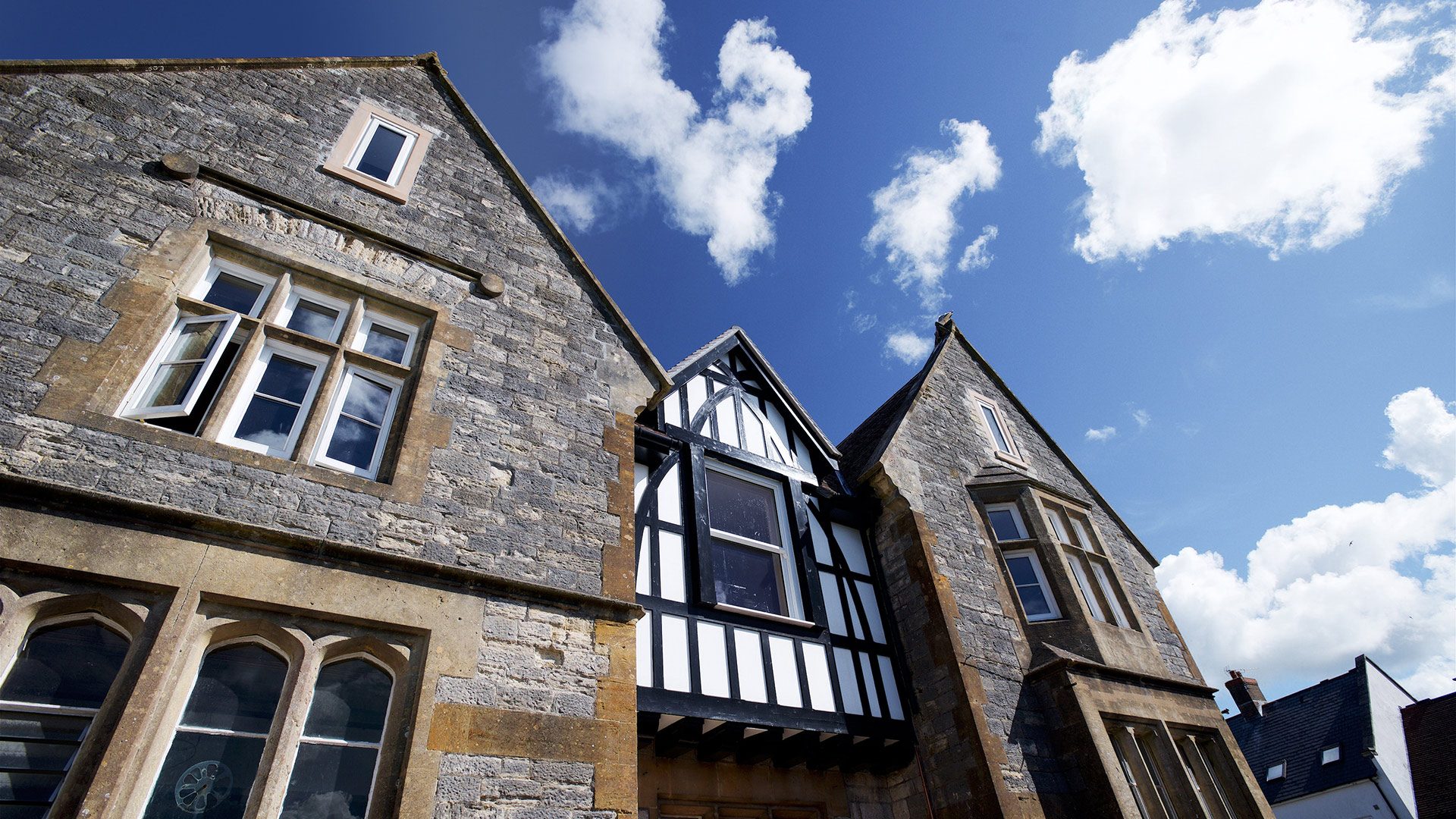
Passionate about old buildings
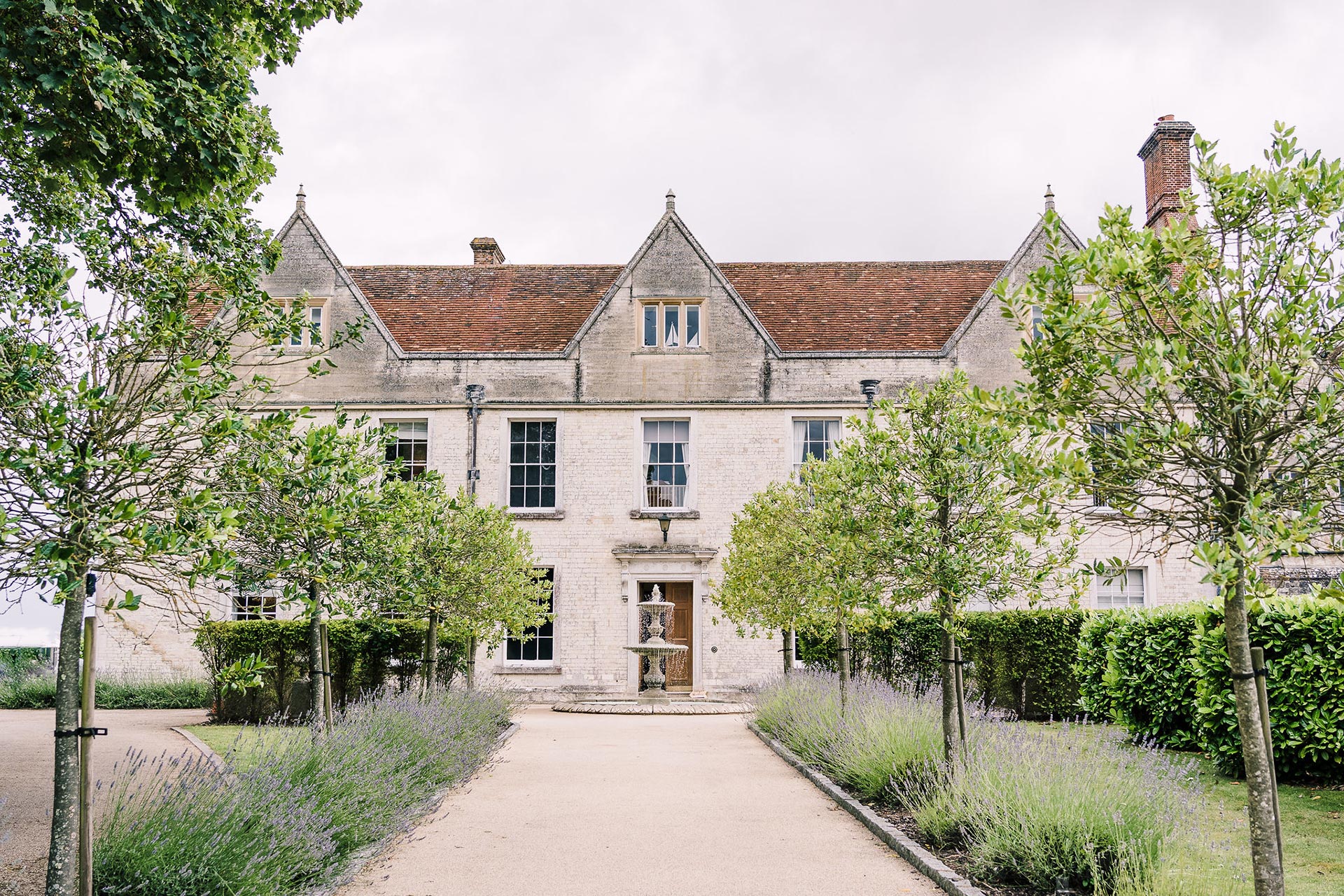
With RIBA-accredited conservation expertise, we specialise in the restoration, conservation and conversion of heritage structures, including Grade I, II* and II listed buildings. We have also successfully designed new buildings in Conservation Areas and within the grounds and setting of listed buildings.
With over 40 years of experience, we understand the opportunities and challenges that come with historic buildings and use that knowledge to help clients understand what is possible and make informed decisions about their property.
Conservation & Preservation
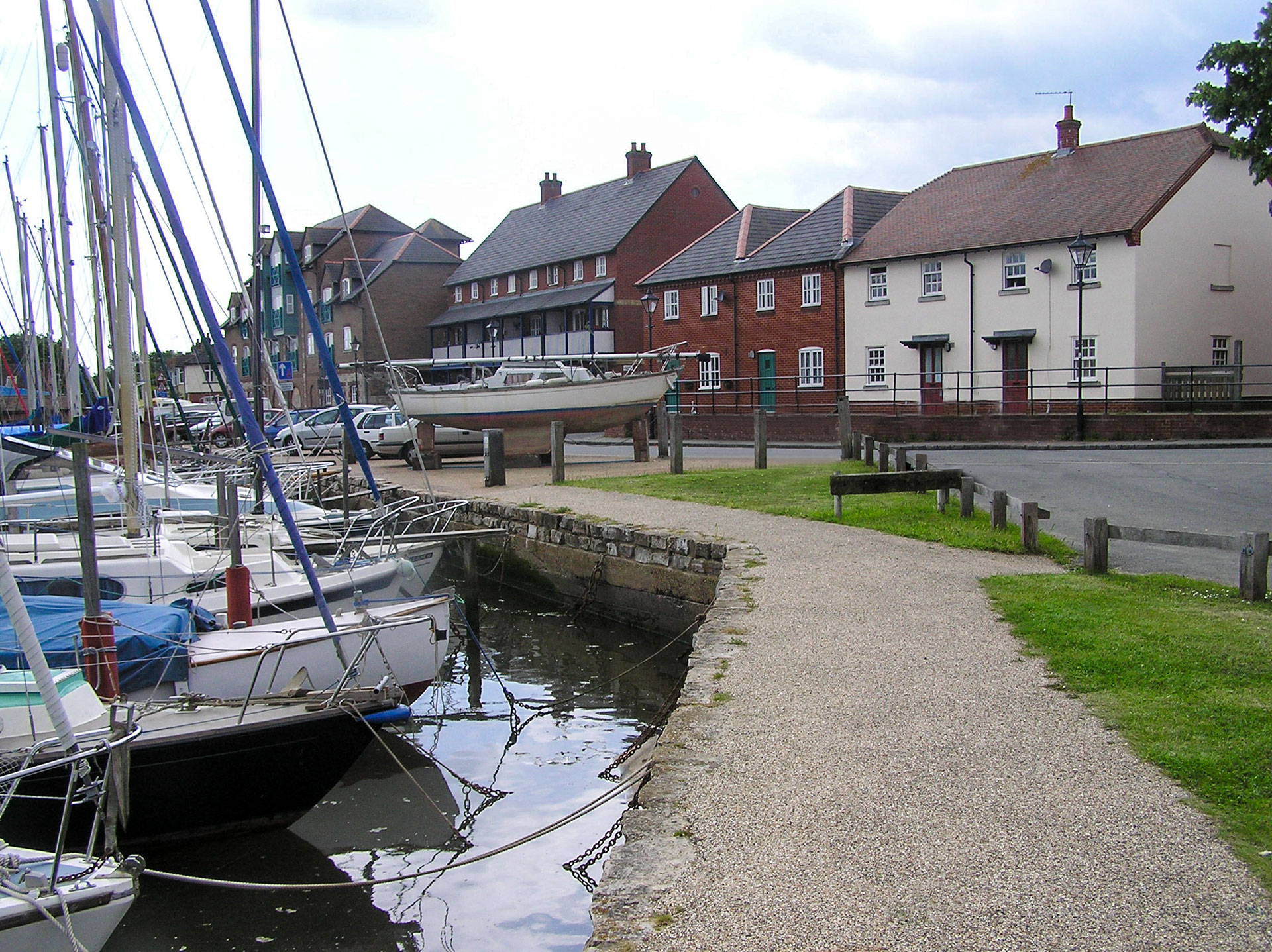 Conservation of historic quayside
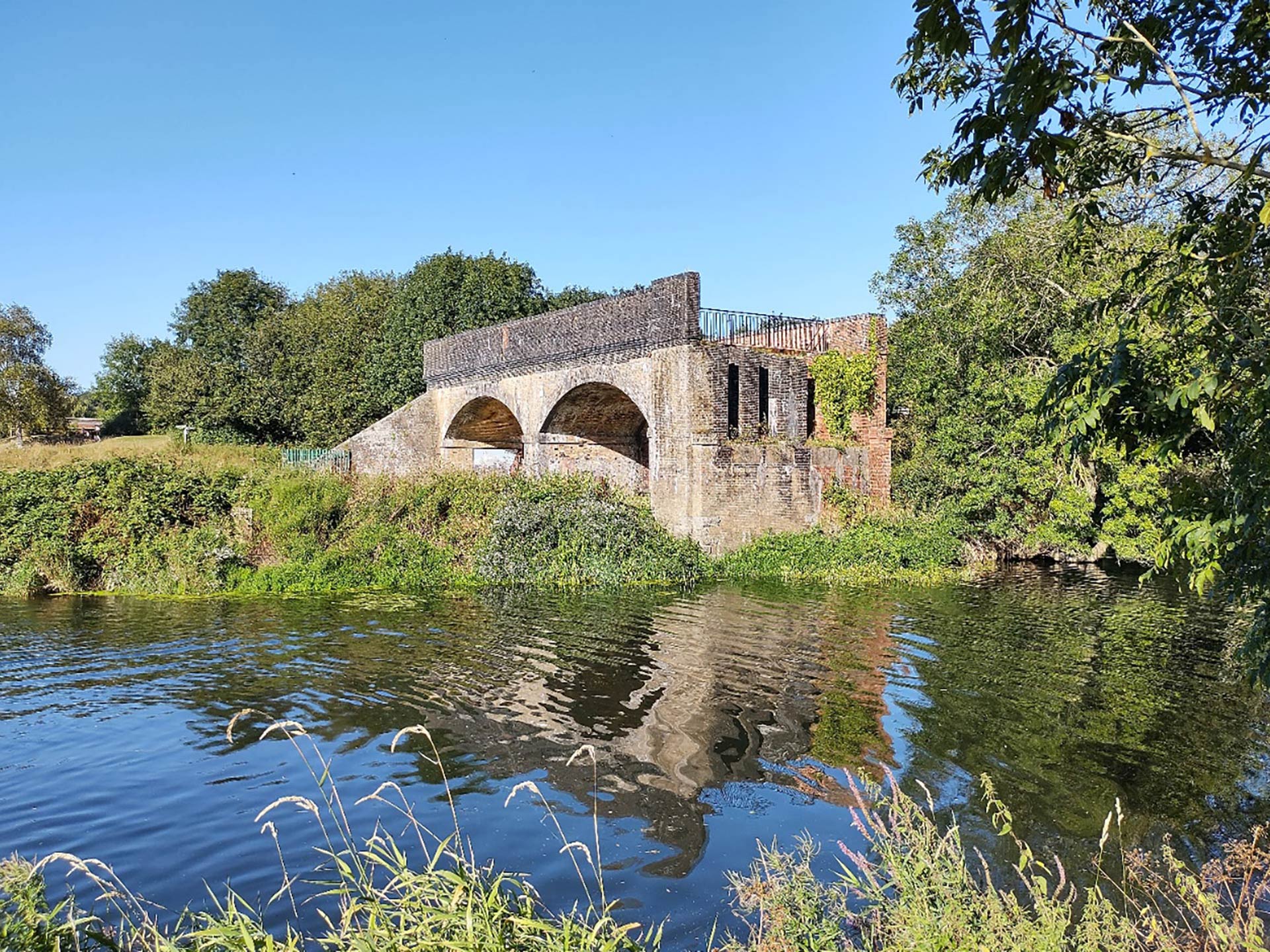 Conservation of historic railway arches
Maintain and protect our built heritage
Conservation is about caring for and protecting historic buildings and significant structures, whether they are listed or not, retaining important original features so they can be enjoyed by future generations.
Not all historic buildings are listed and not all listed structures are buildings. As Conservation Architects, we help clients understand what is significant, what should be retained and how change can be managed while protecting the character and fabric that make each building or structure important.
Restoration and reconstruction
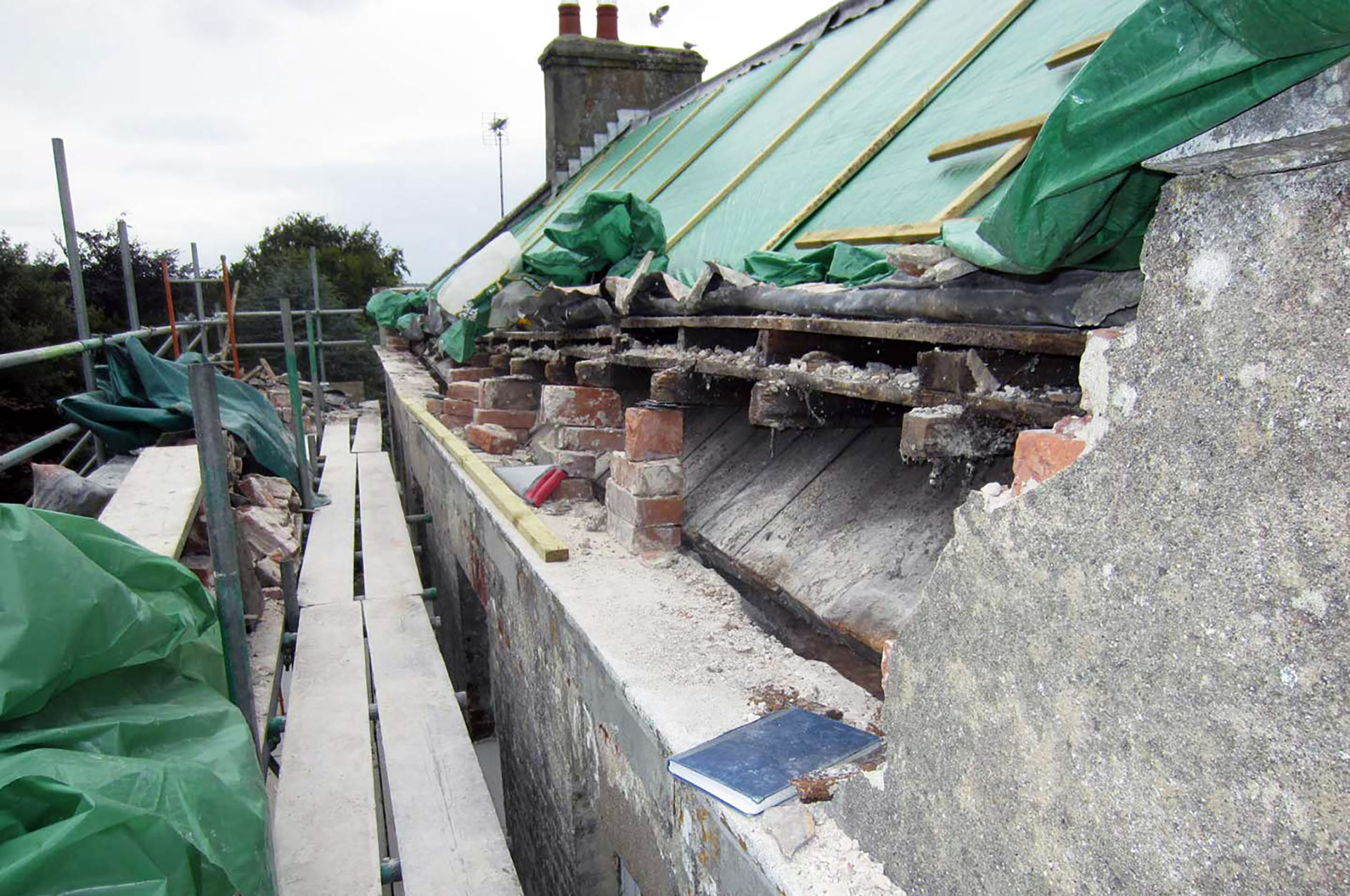
Repair of damaged structure and fabric
Restoration is the process of returning a building as closely as possible to its original condition. This may involve detailed research and, where evidence is incomplete, careful judgement about the appearance and construction of the original structure.
Buildings can fall into disrepair through neglect, adverse weather, vandalism, rot, insect damage or previous inappropriate repairs.
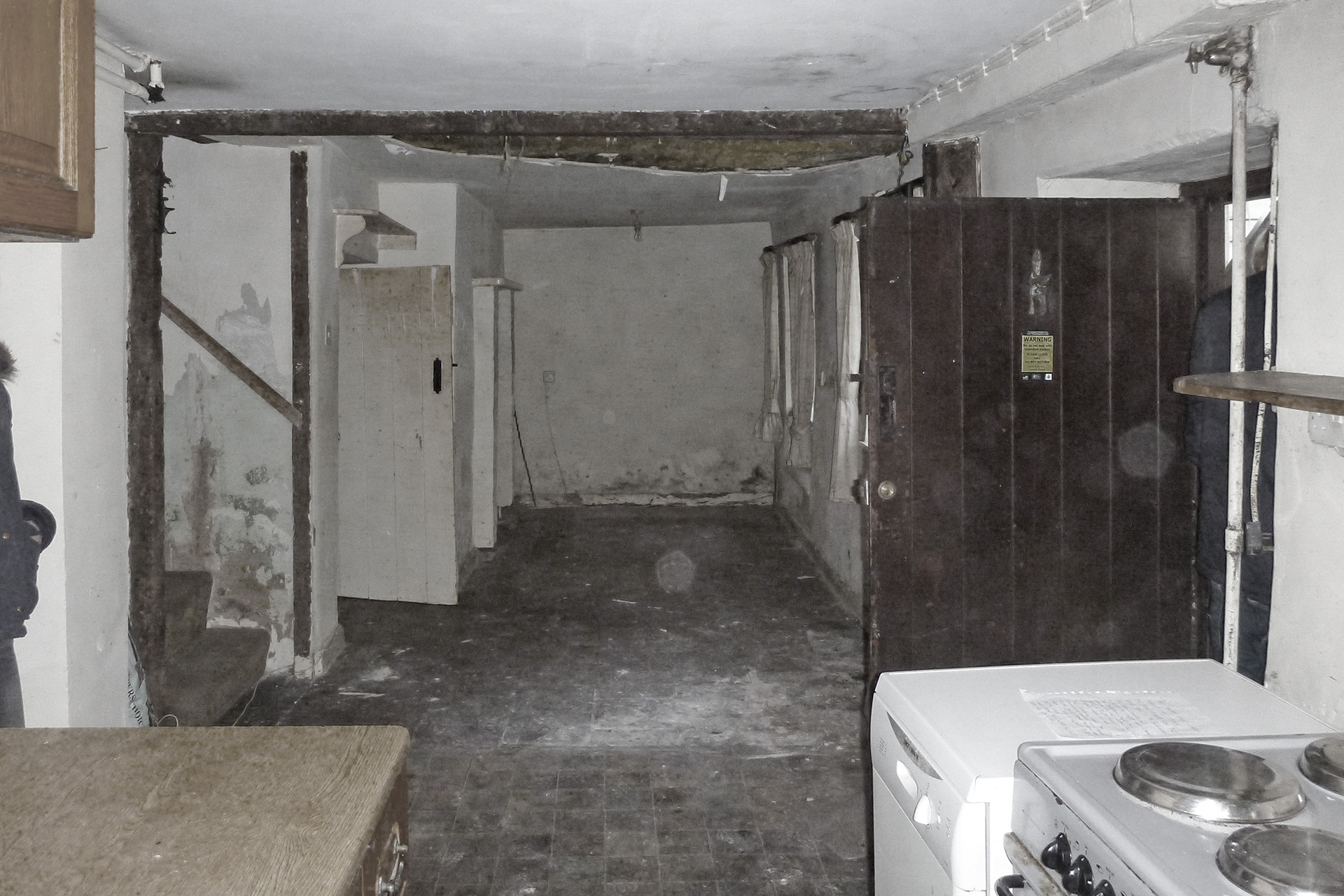 Before – Historic cob cottage interior in poor condition
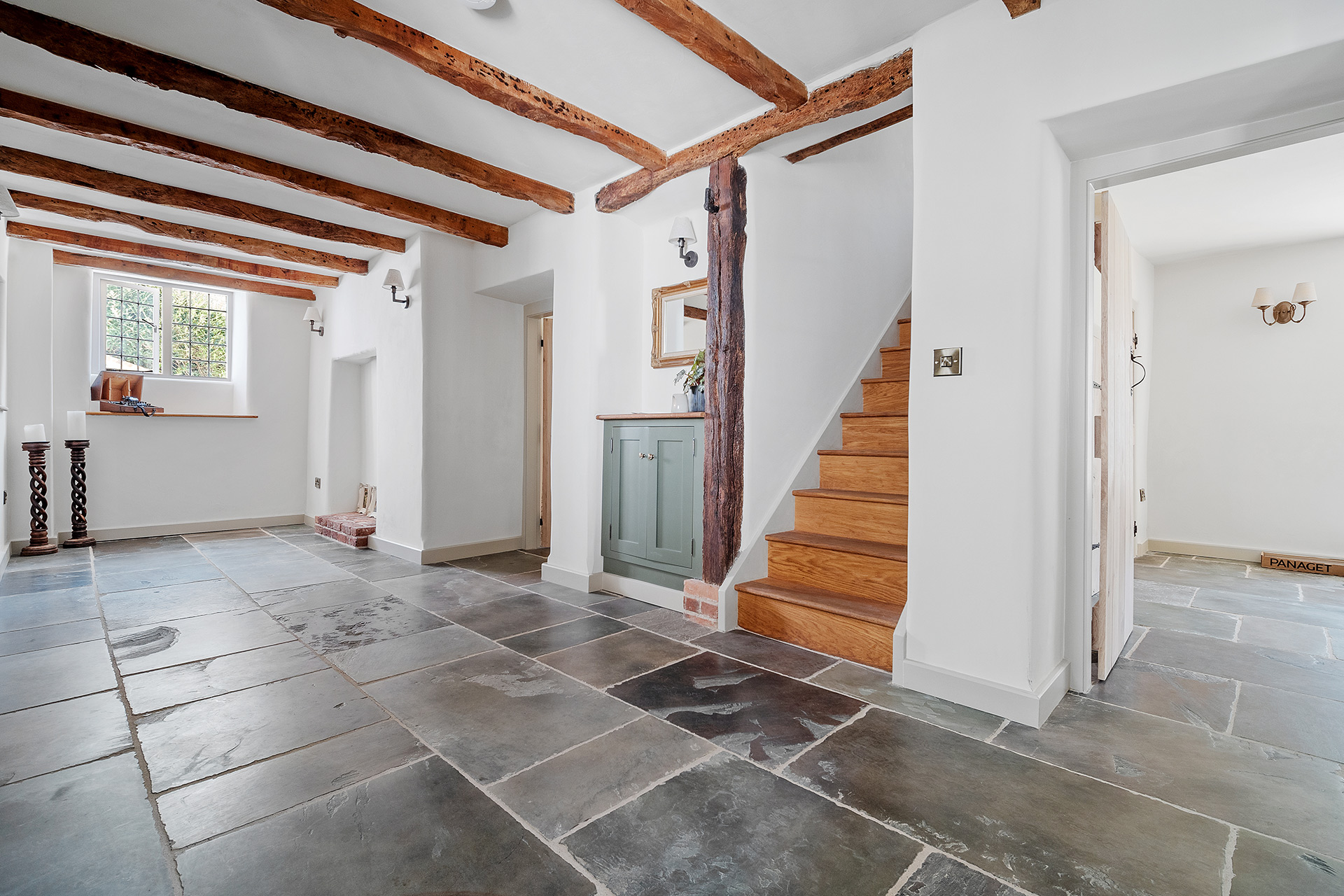 After – Fully restored cottage
WDA has experience working with buildings in very poor physical condition, identifying what can be retained and repaired and where more substantial restoration may be needed. Careful restoration can help secure a building’s future.
Our repairs complement the original structure without pretending to be original themselves. Our hands-on experience of traditional building techniques and materials enables us to repair and restore historic fabric with honesty and sensitivity.
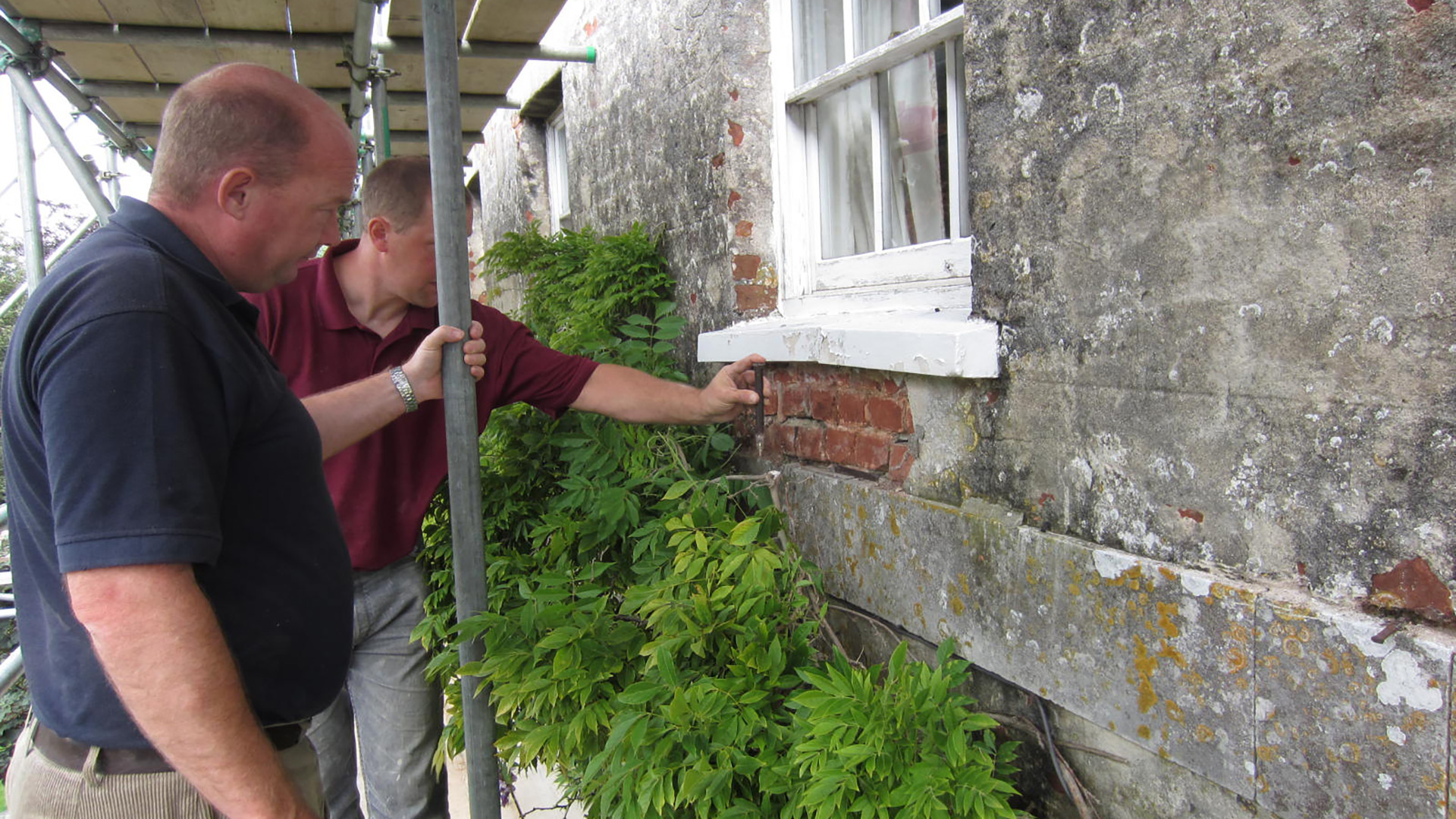 Repair of failed brick and stonework
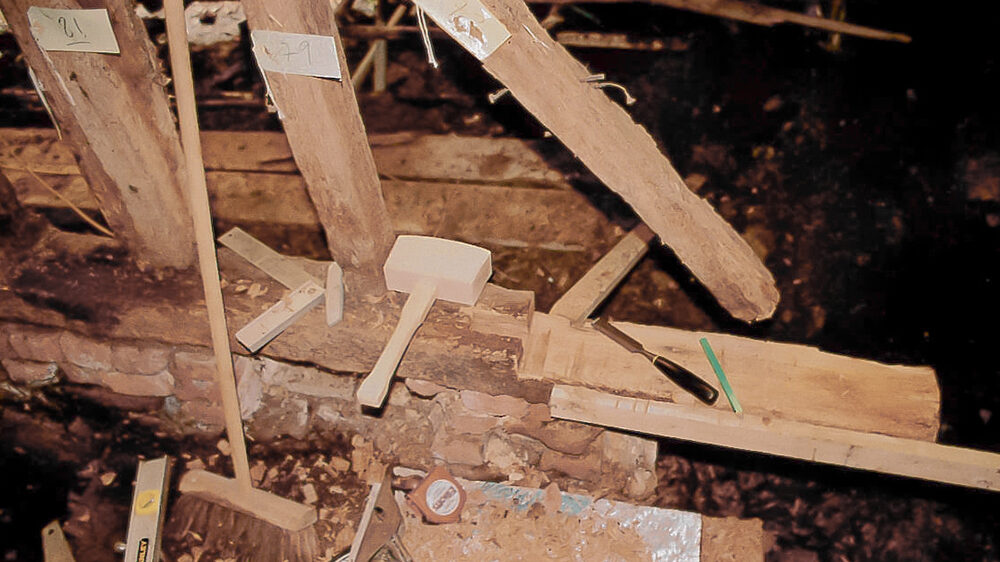 Painstaking repair of historic timbers
Conversion
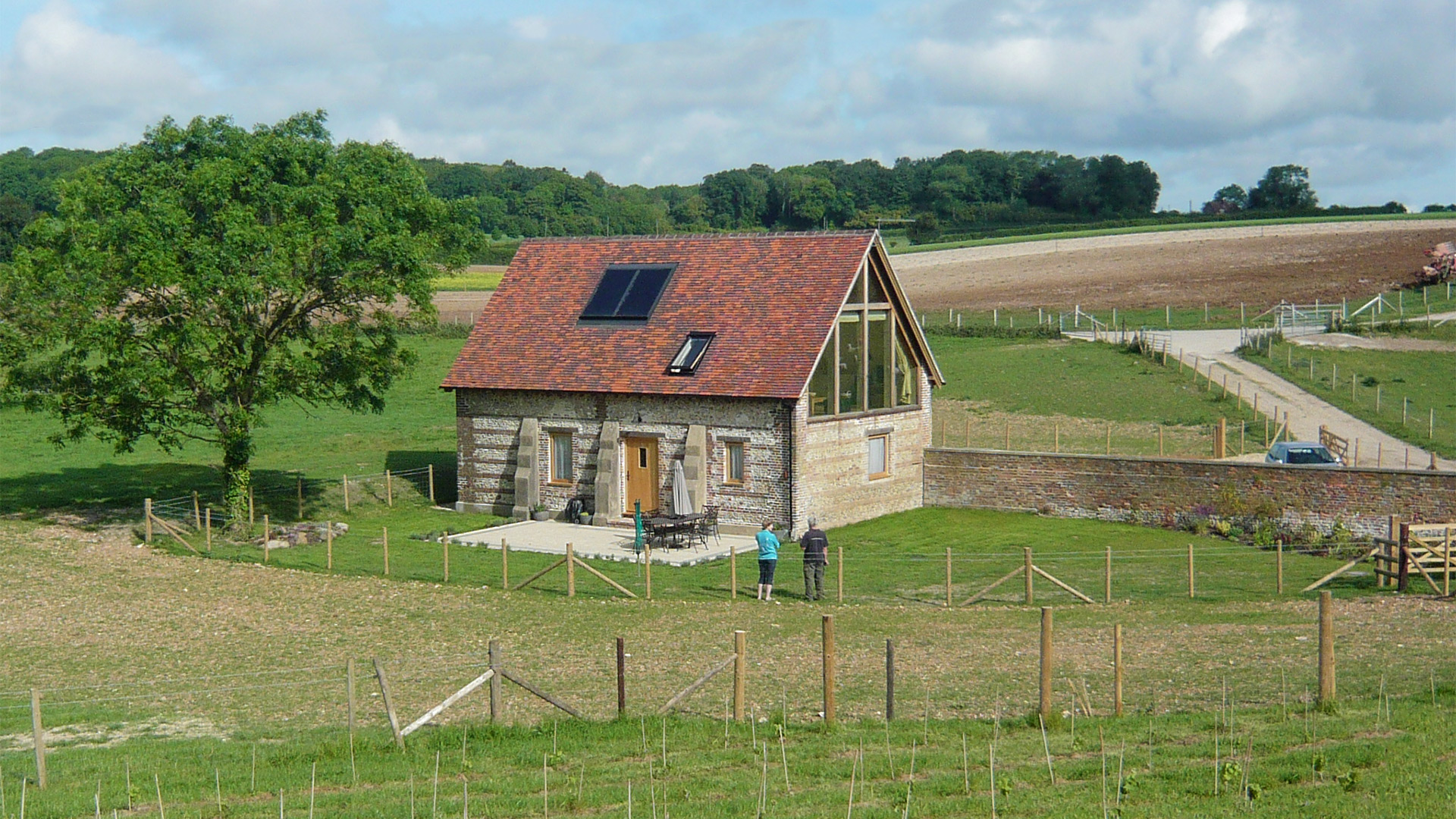 Simple conversion of a downland shepherds hut into a holiday let
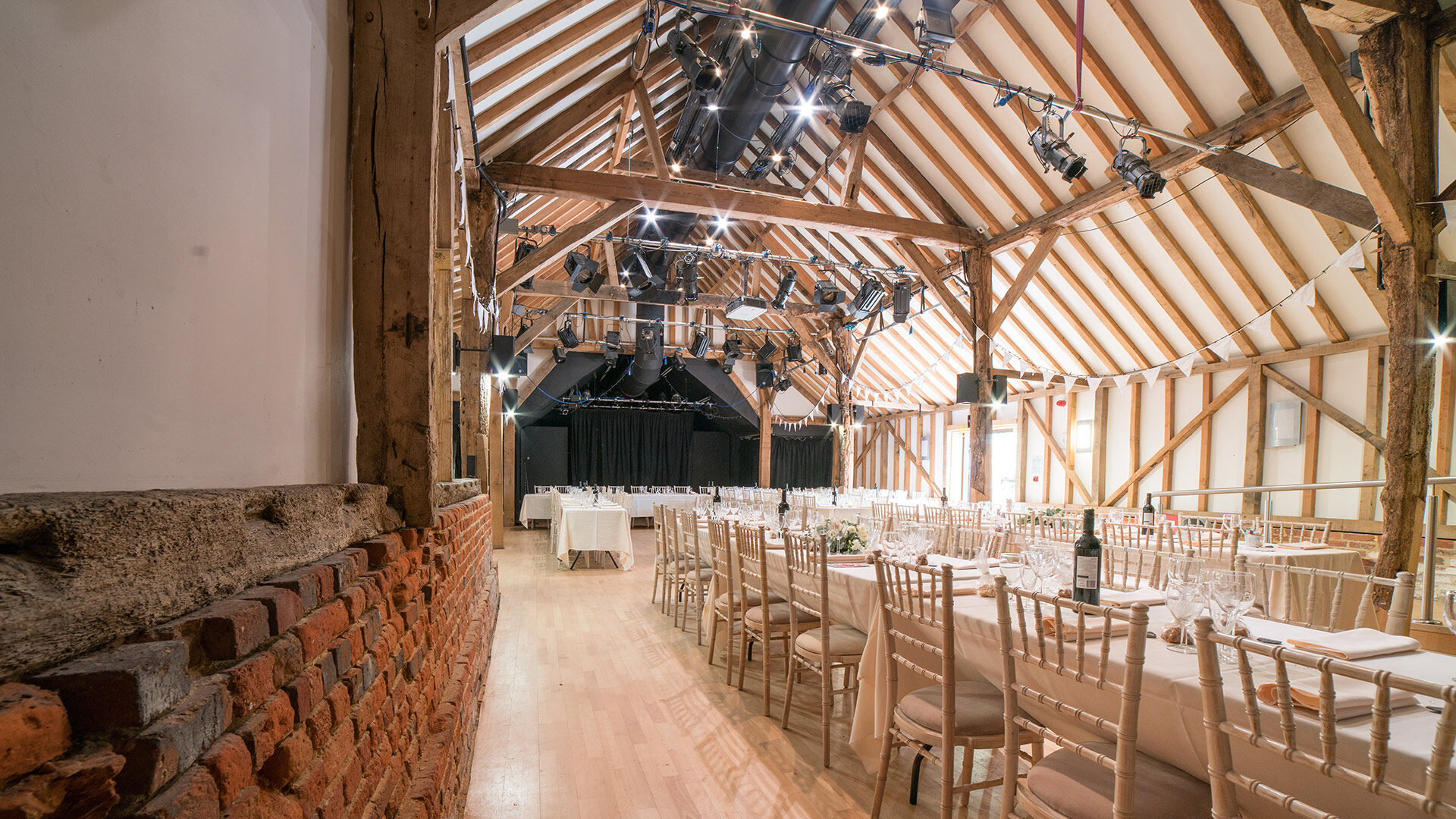
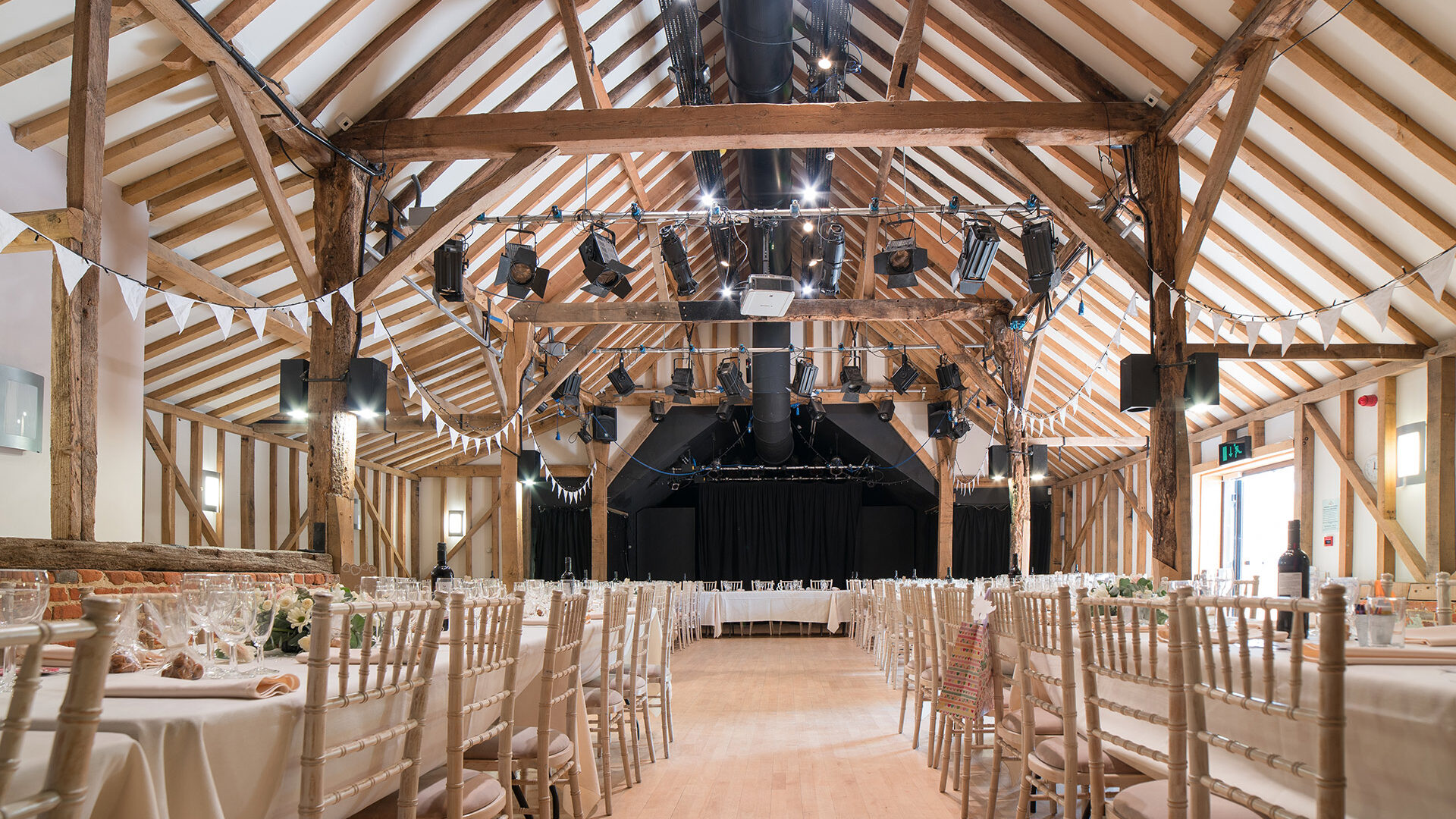 Conversion of a large barn into a community venue, gallery and performance space
A change of use
A redundant or underused historic building can offer real potential, but understanding what can be changed and how best to use the existing structure is often the first challenge.
WDA can help you assess the opportunities and constraints of the building, explore suitable new uses and develop a design that works with its existing character and fabric. A sensitive conversion can give historic buildings a new purpose and create distinctive spaces that work for modern life.
Alterations and intervention
Refurbishment and improvements to existing buildings
Historic buildings often evolve over time, and previous changes are not always appropriate to the original structure or how the building needs to work today.
WDA can help you assess what should be retained, removed, repaired or adapted, then develop improvements that make better use of the building while respecting its character. This might include repurposing redundant spaces, forming new openings, creating new views or reinstating important features.
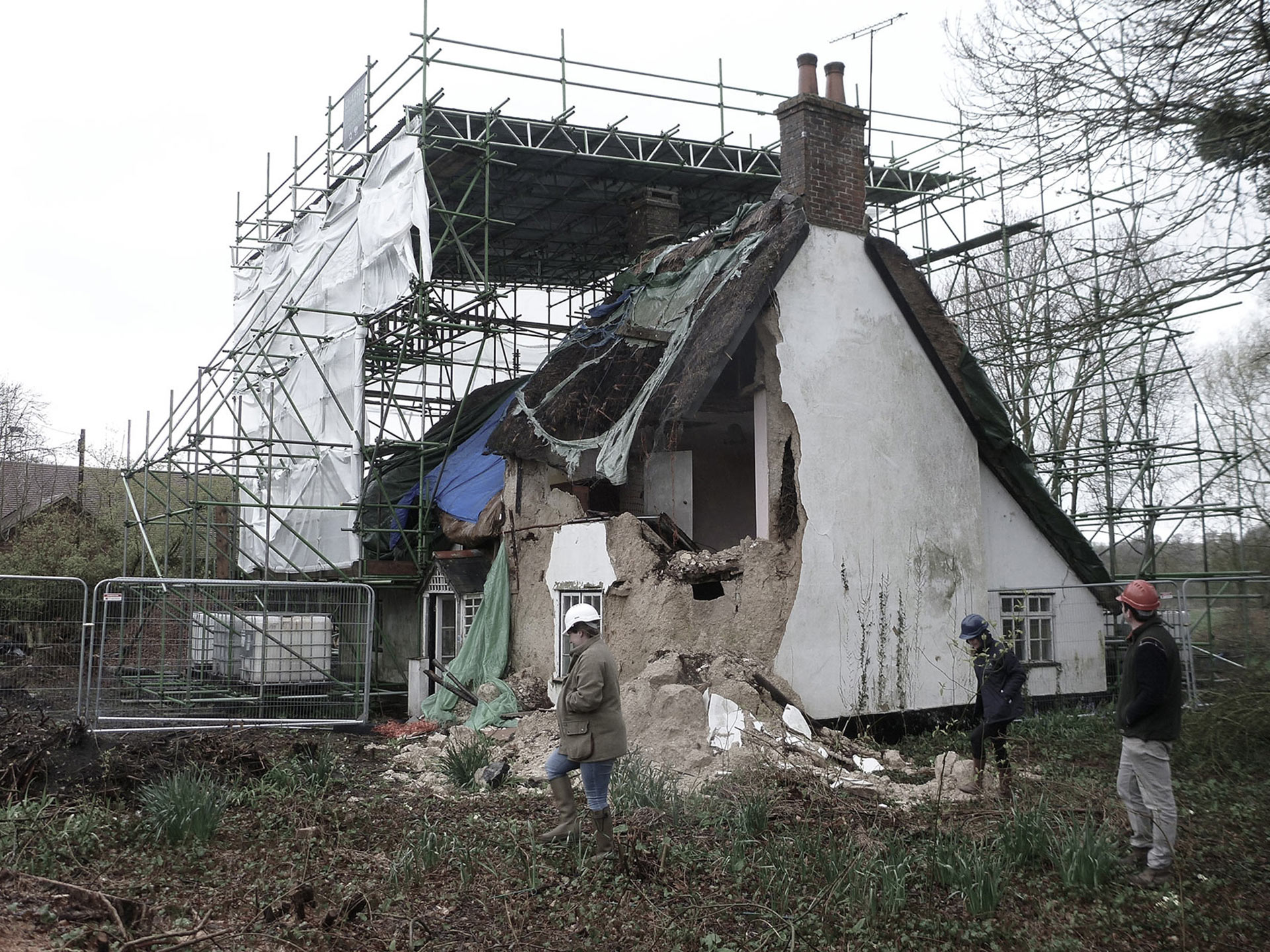 Before – Thatched cob cottage fallen down due to neglect
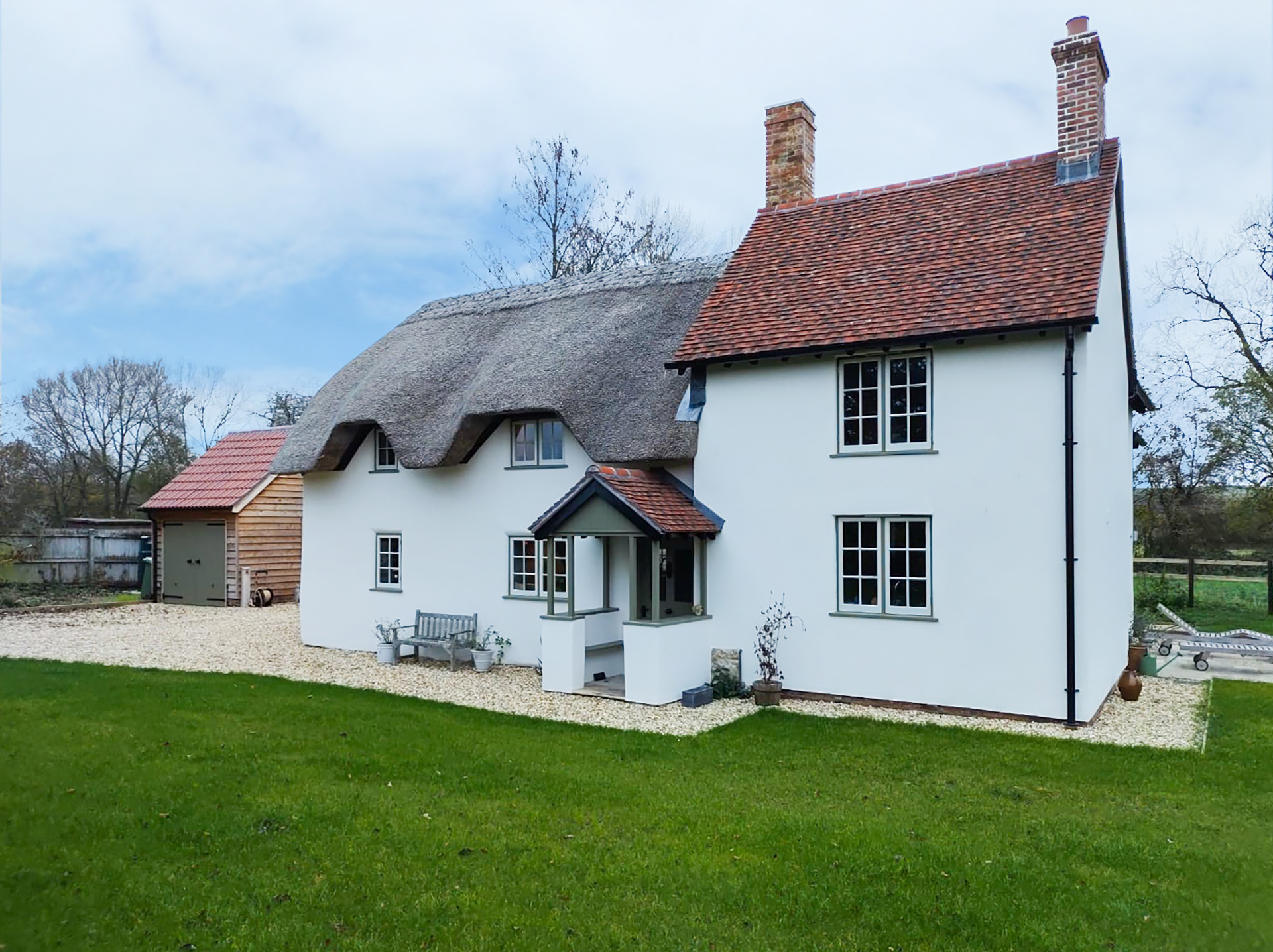 After – Cottage rebuilt and extended
However we approach the work, our aim is to retain the character and charm of the original building while making it more welcoming, enjoyable and useful for the people who use it.
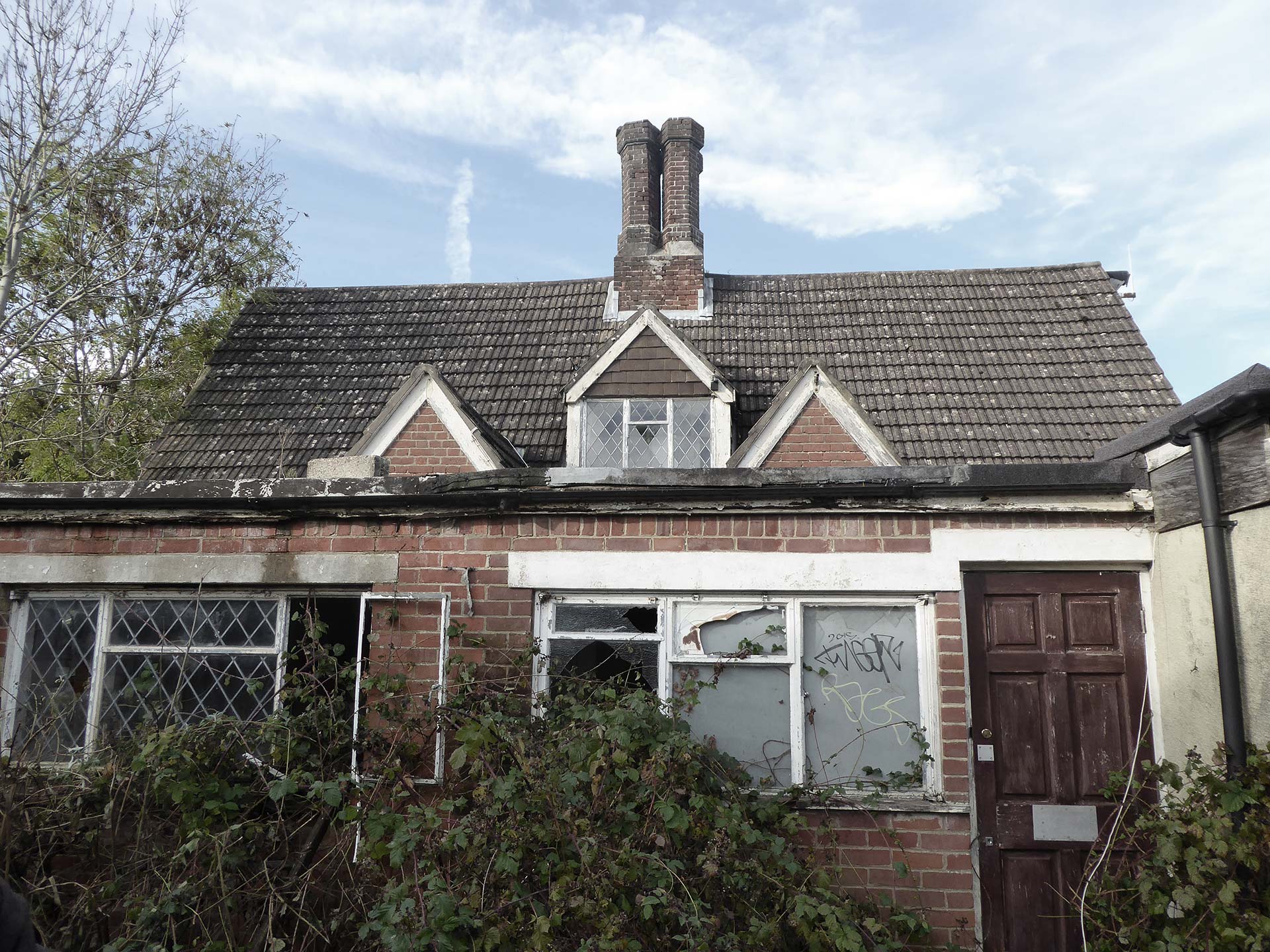 Before – Unsightly extension attached to the listed building
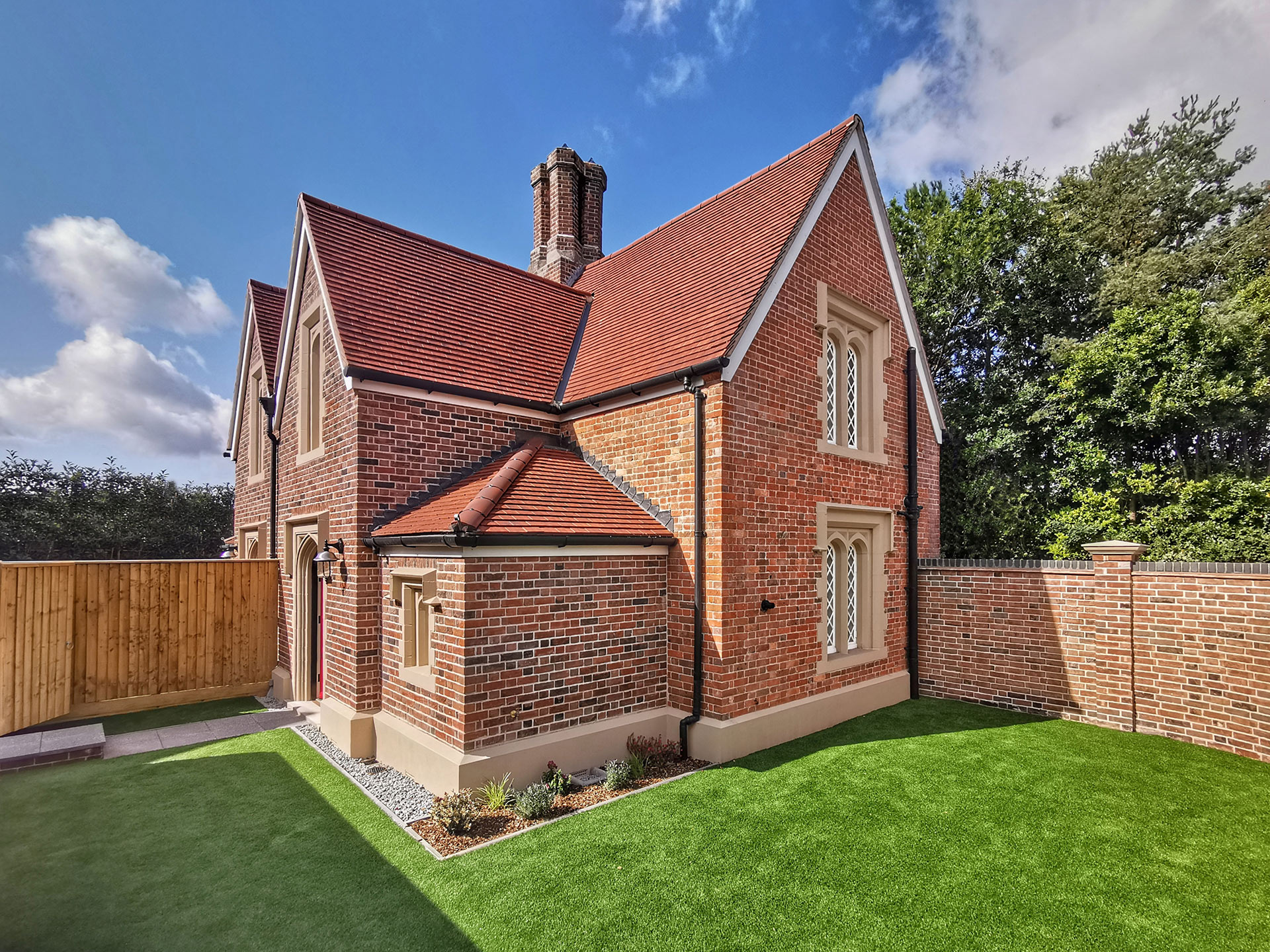 After – Restored to original glory
Extensions
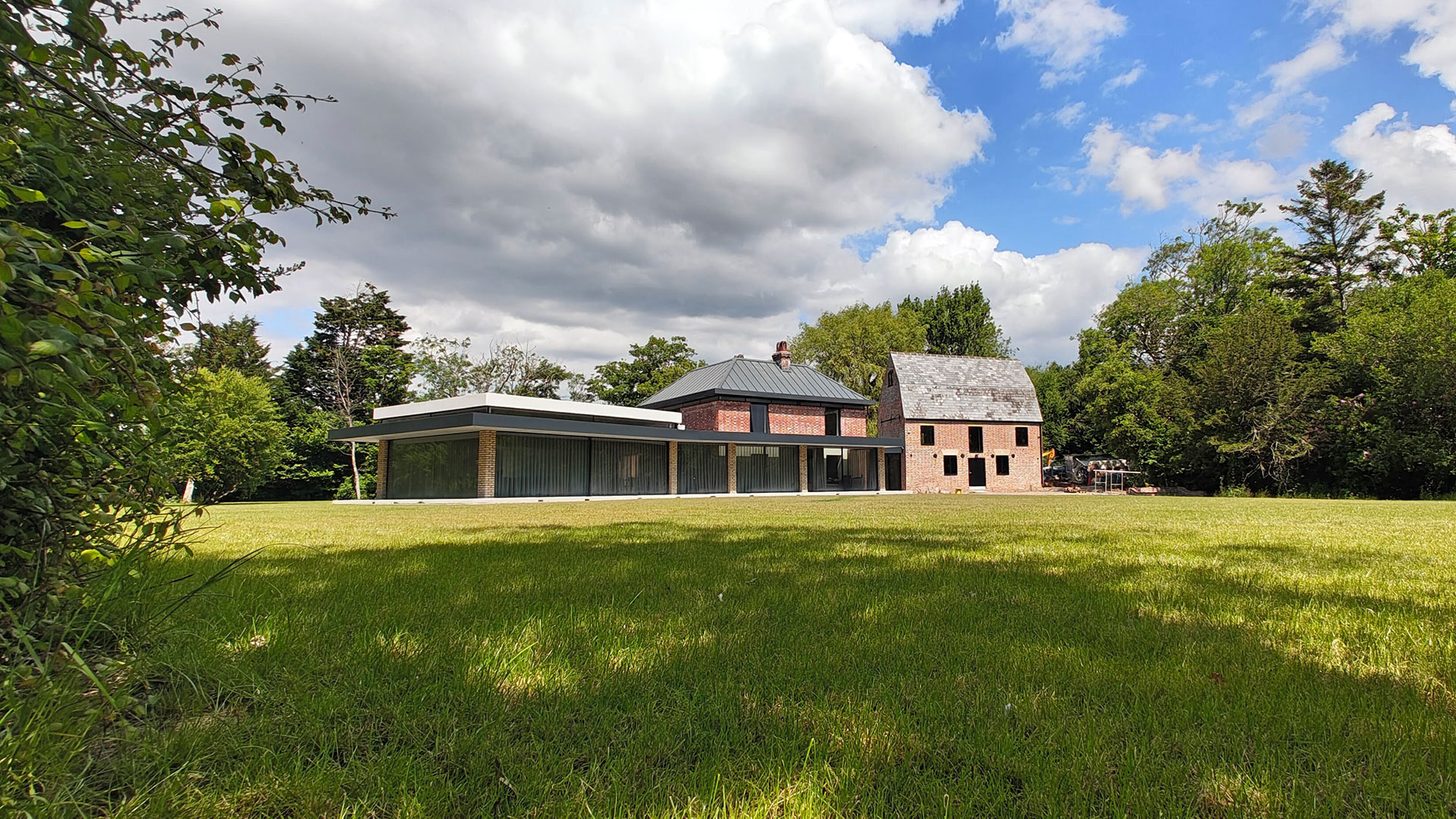
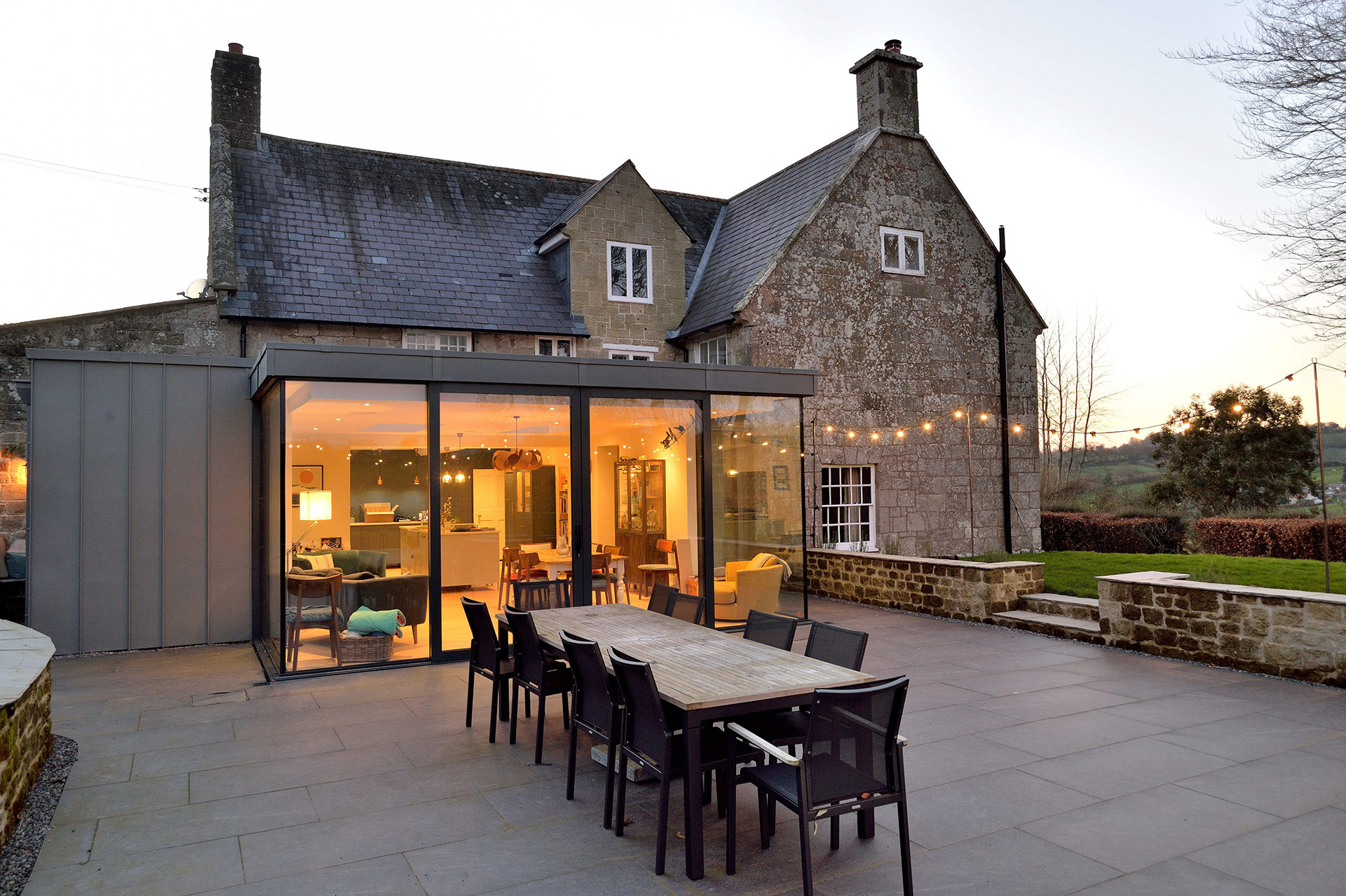 Contemporary extension to the rear of a historic farmhouse
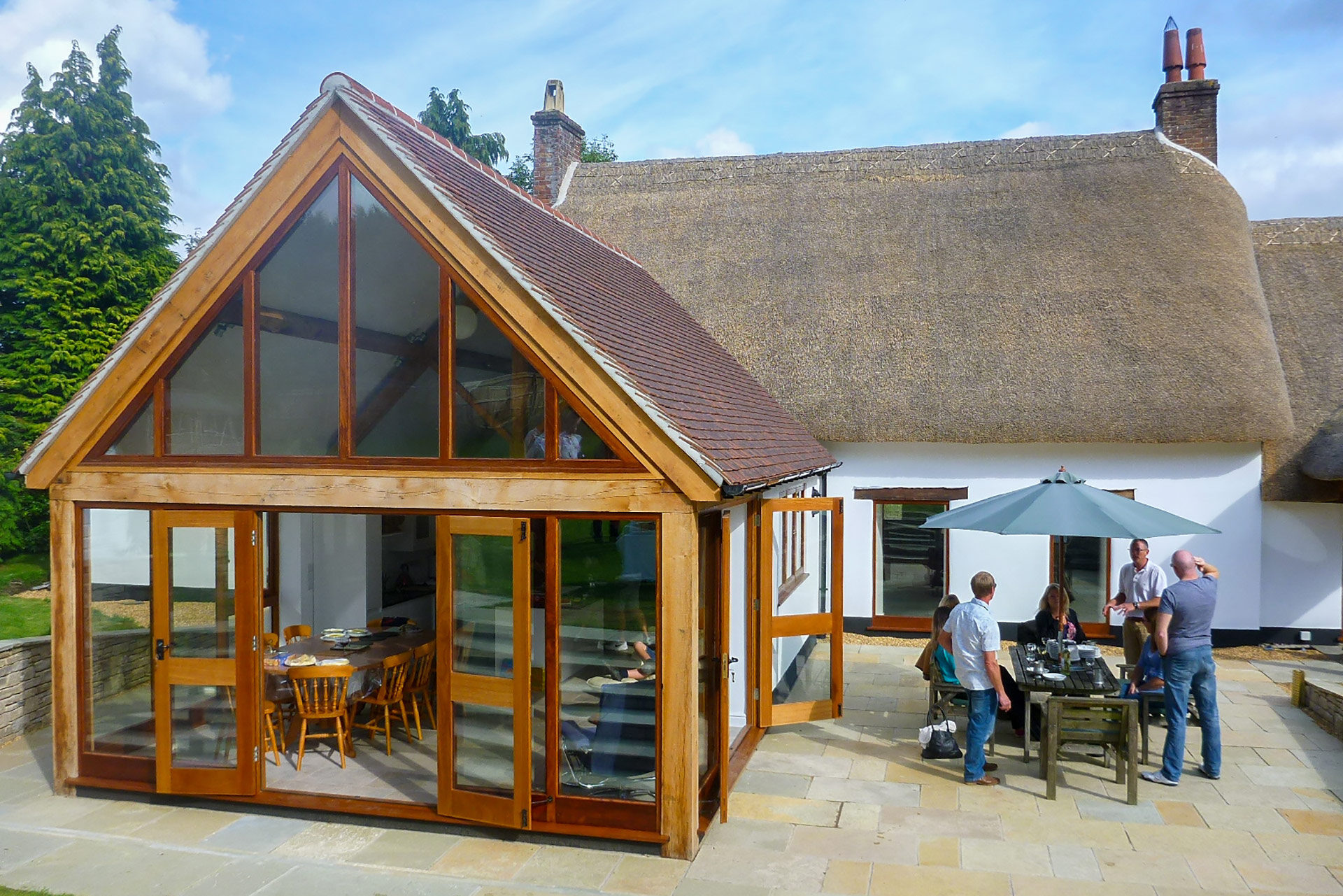 Traditional extension to the rear of a thatched cottage
Old buildings are not always suited to modern living
Historic homes do not always provide the space or layout that works for modern life. A well-designed extension can create more room, improve how existing spaces work and introduce a new relationship between old and new.
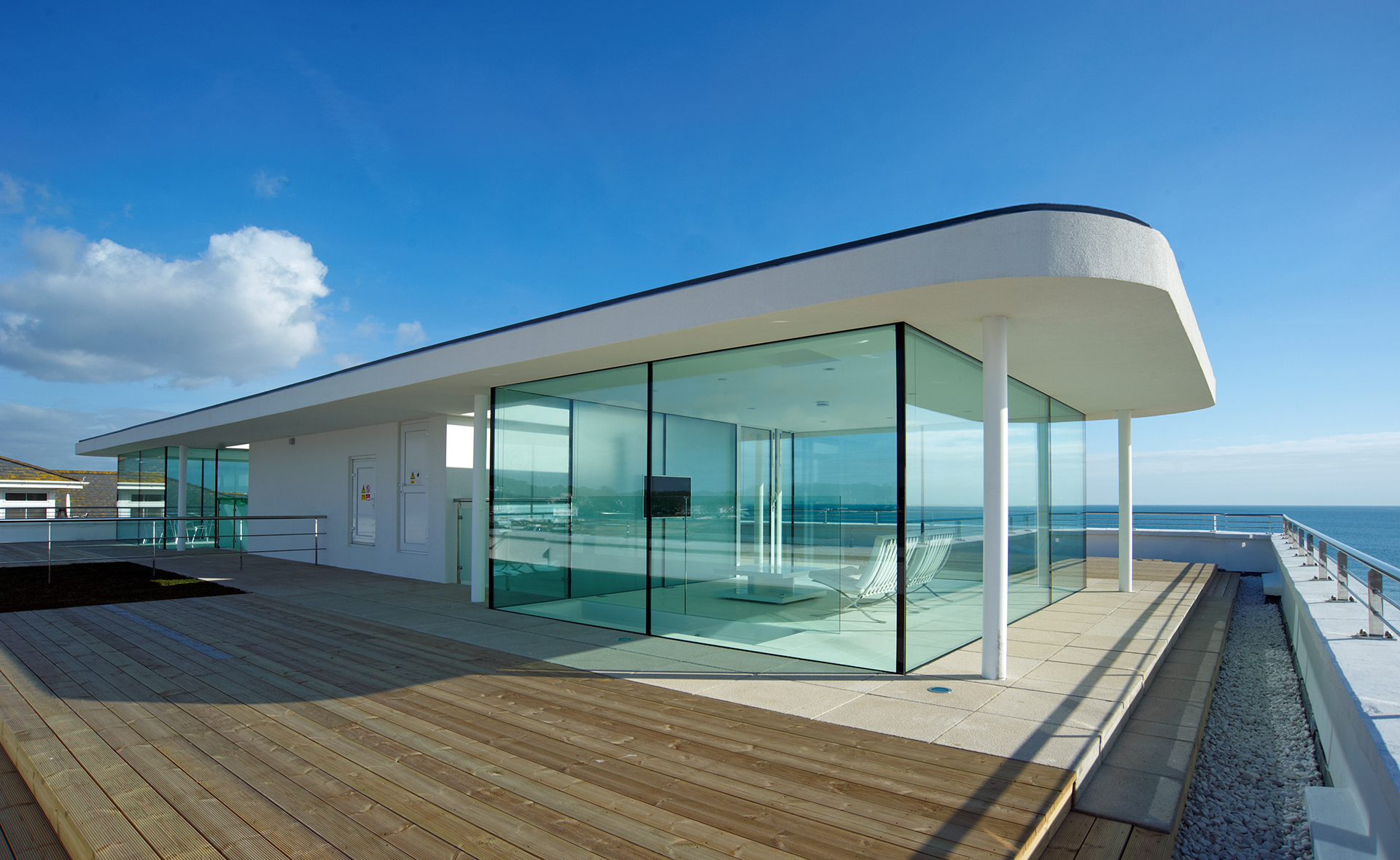 Contemporary extension on a rooftop of an Art Deco building
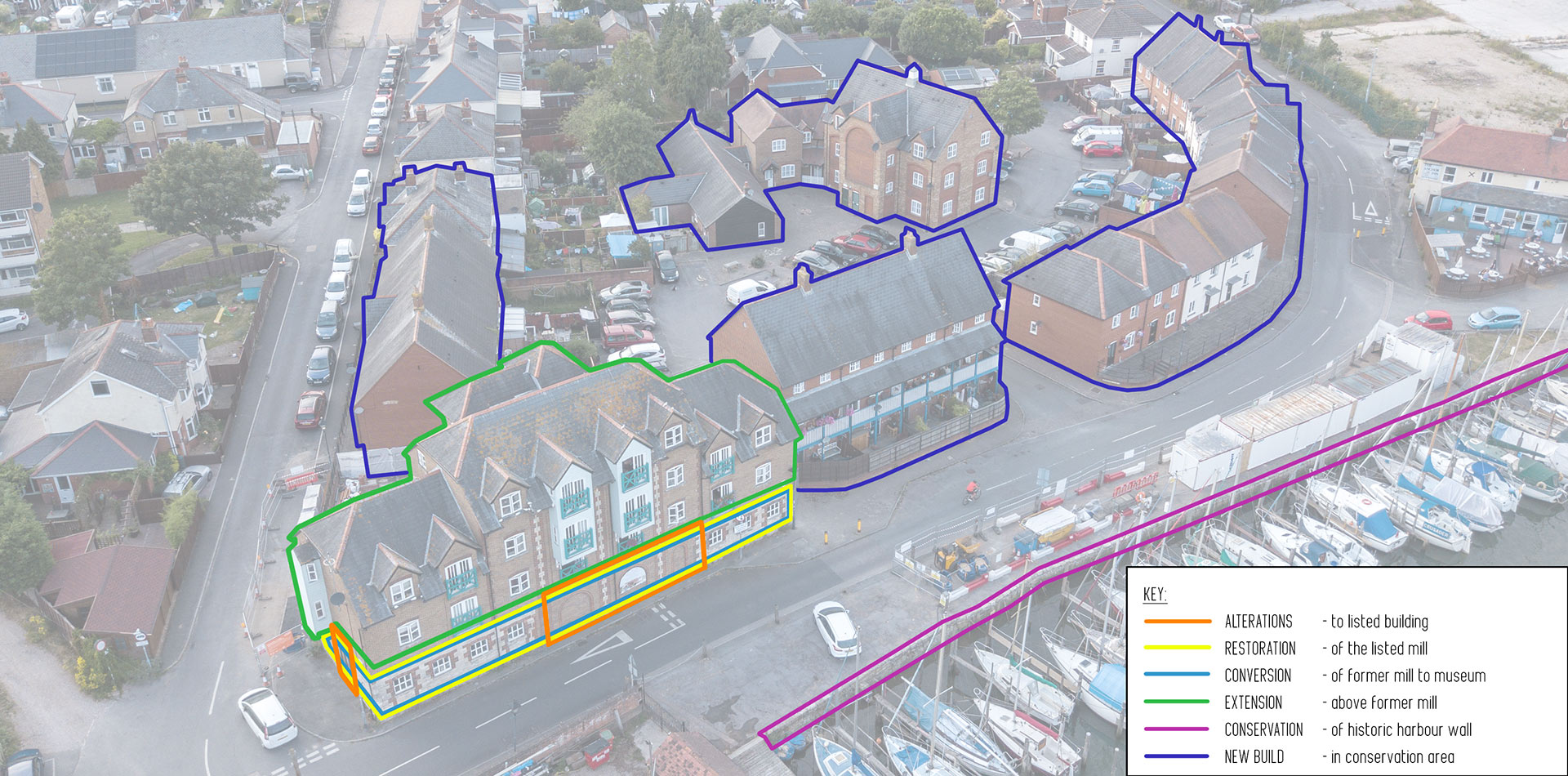
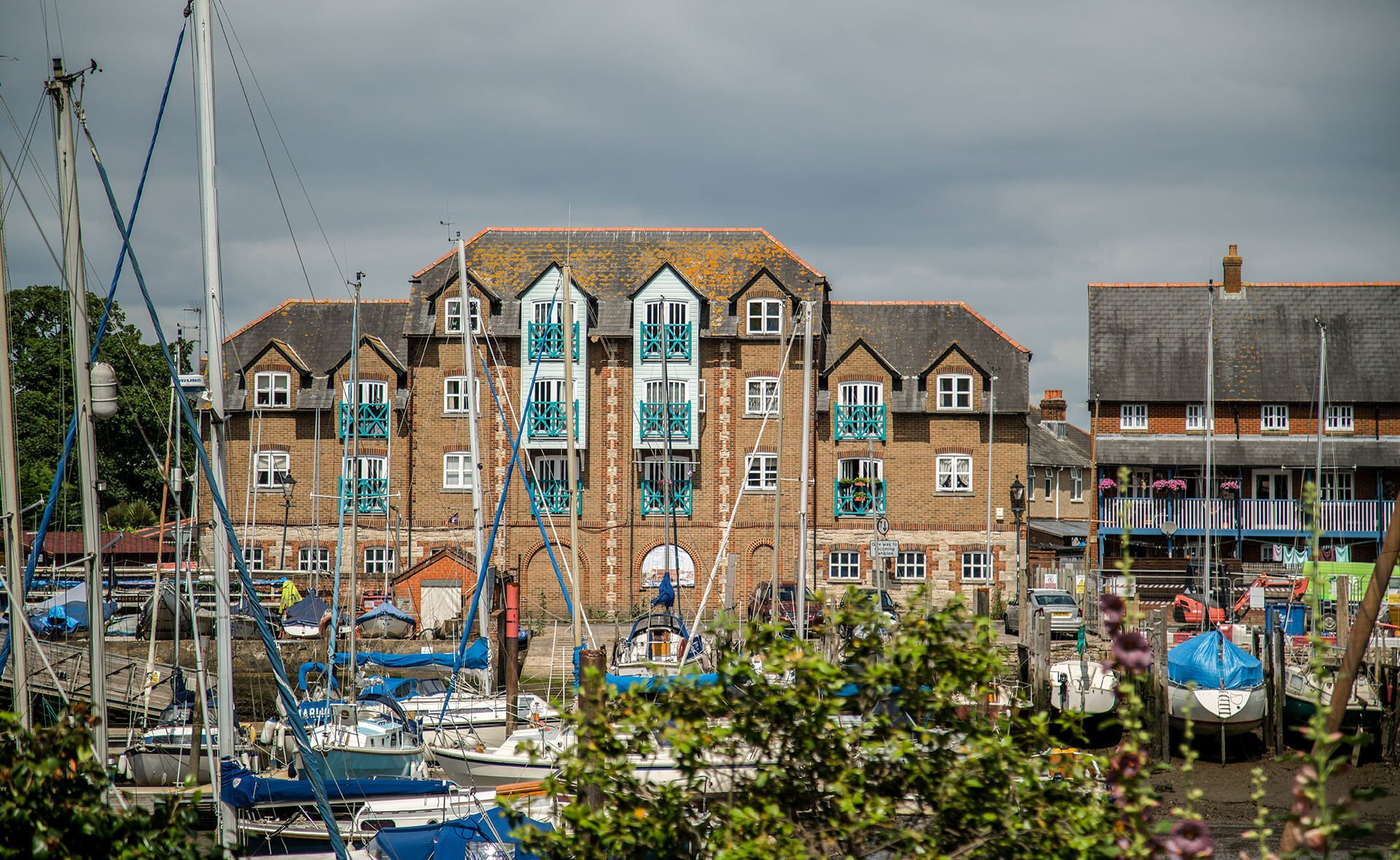 New apartments above the restored listed Steam Mill
WDA can help you explore how an extension should respond to the existing property. Traditional and contemporary designs can both work successfully alongside historic buildings, depending on the building, its significance, its setting and how you want to use the new space.
However significant the addition, we carefully balance creative architecture with respect for the history, craftsmanship and character of the original building.
New buildings in sensitive locations
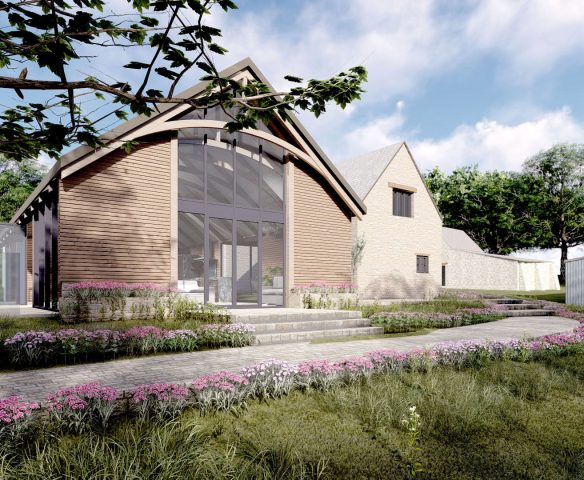
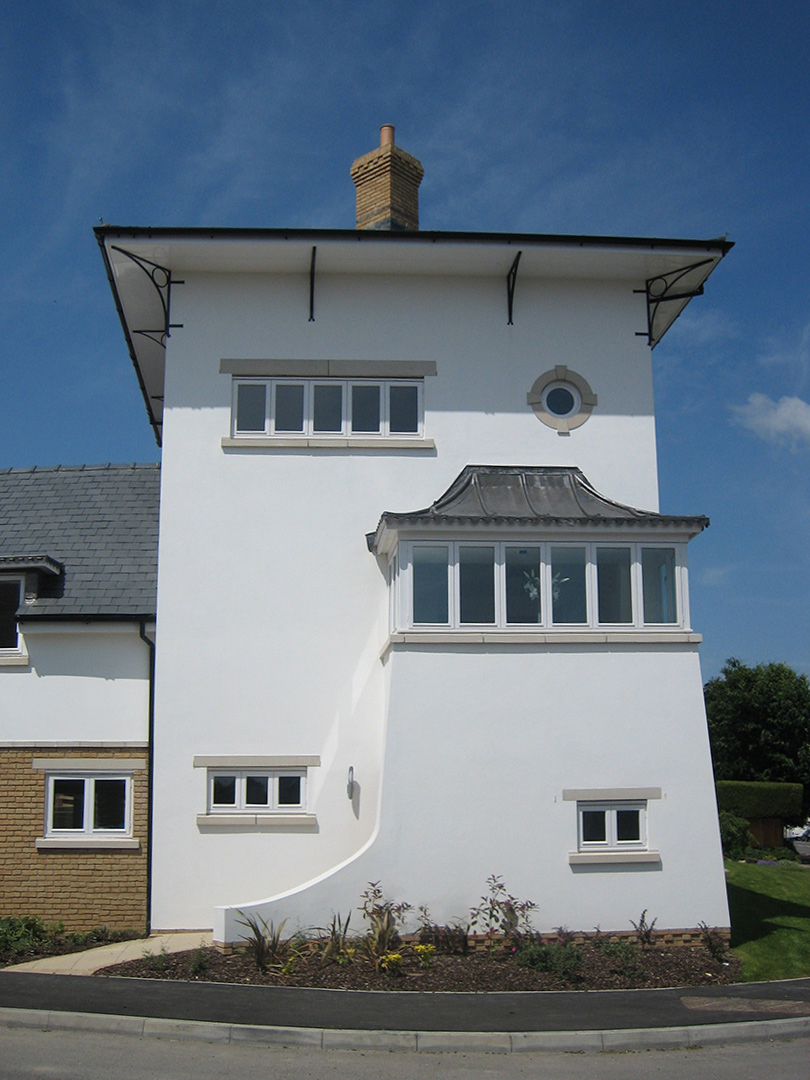 New Arts and Crafts house (and housing development) on site of former Roman villa and forming the gateway to the Conservation Area
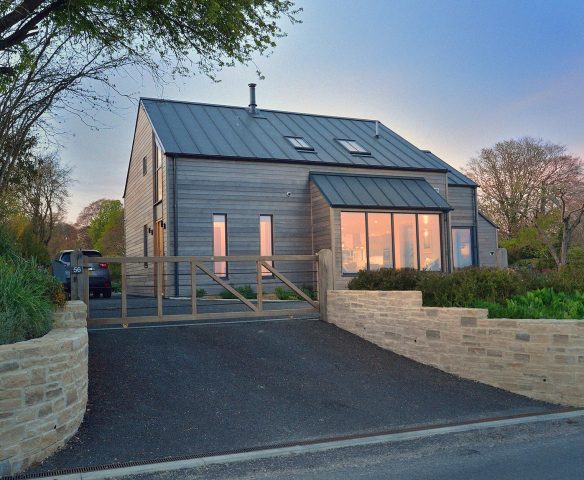
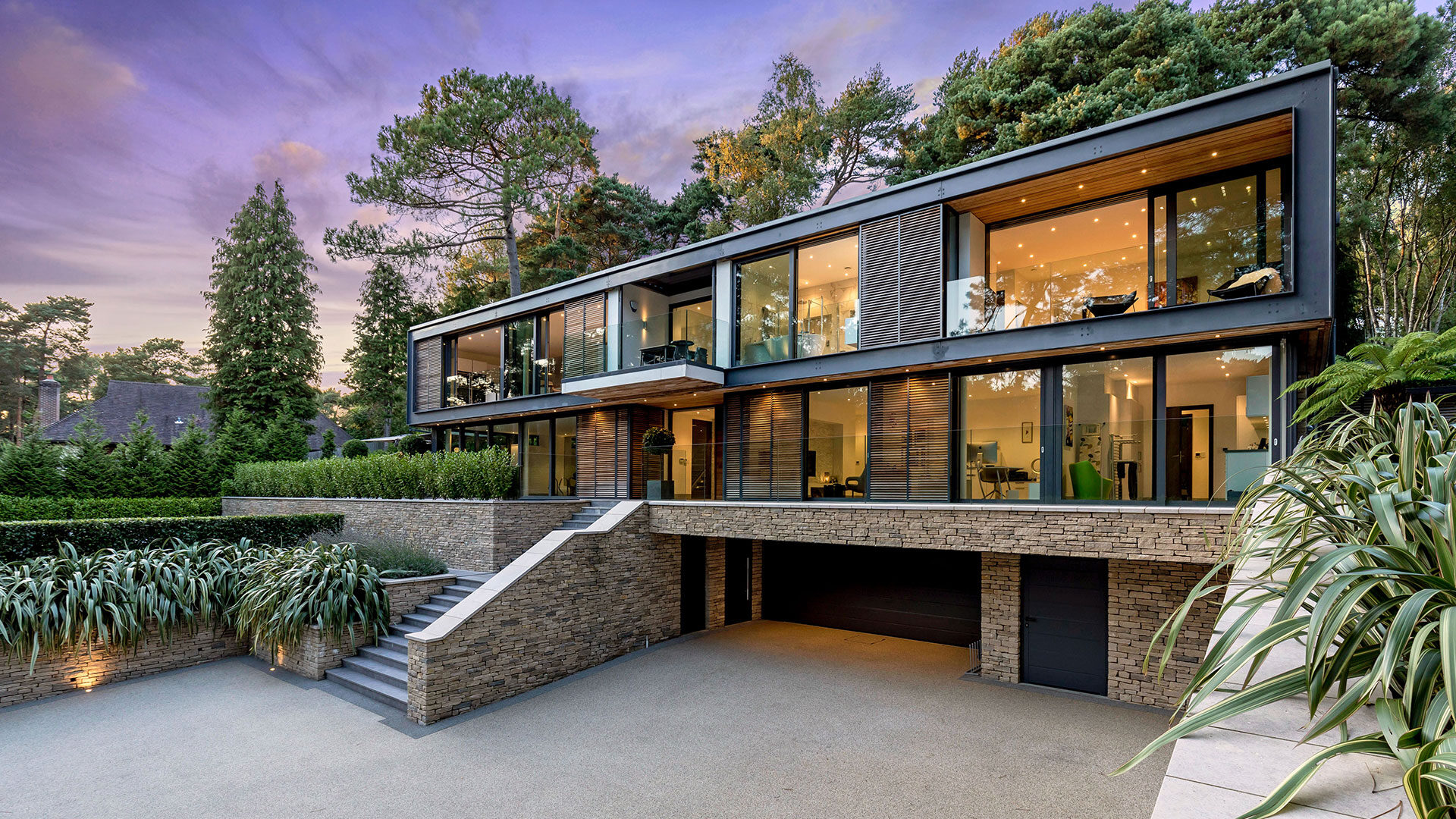 New contemporary home in the Branksome Park Conservation Area
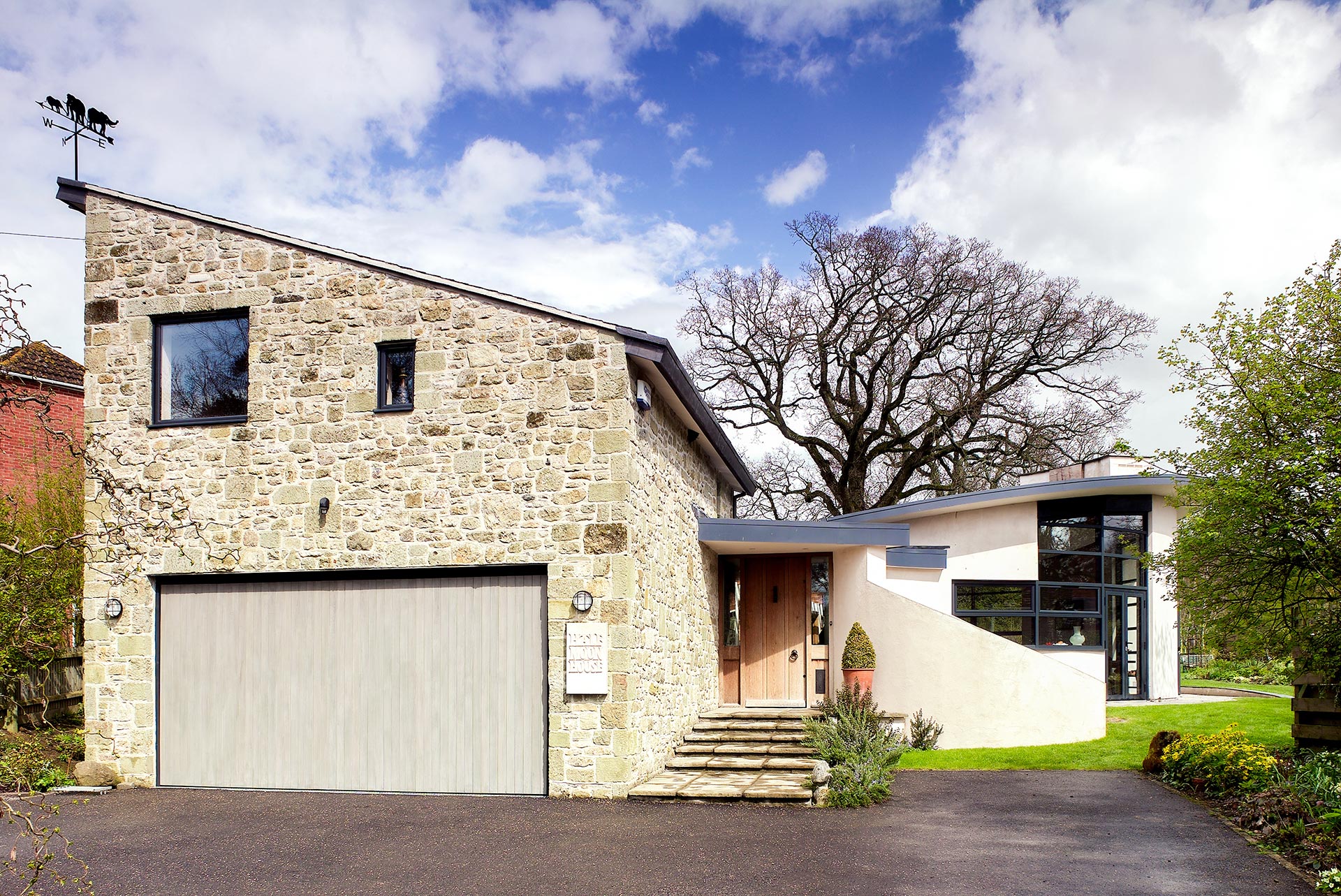 New Art Deco influenced house in the Conservation Area and curtilage of the adjacent Grade II Listed House
Respecting the setting
Sensitive locations can bring additional planning and design considerations, but they can also provide opportunities for well-designed new architecture that responds appropriately to its context.
WDA has experience designing new buildings in Conservation Areas, National Landscapes (Areas of Outstanding Natural Beauty), Sites of Special Scientific Interest (SSSI) and Sites of Nature Conservation Interest (SNCI).
Whatever the constraints, we put the relationship between built form and setting at the heart of the design, creating architecture that responds appropriately to its location. This applies to new buildings in Conservation Areas and other sensitive locations, as well as ancillary structures within the setting of listed buildings.
Analysis of typical historic site…
Don’t start work without approval
It is vital that the appropriate permissions are in place before building work begins. Depending on the project, this may include planning permission, Listed Building Consent or other approvals relating to the building and its setting.
We know the planning and heritage process can feel complex, particularly when you are dealing with a listed or historic building. WDA can help you understand what is likely to be required, develop proposals with the relevant constraints in mind and guide you through the application process. Our experience of local planning policies, Conservation Officers and heritage requirements can help make the process clearer and more manageable from the outset.

The paperwork
Heritage and listed building projects often require more than drawings alone. Applications, pre-application enquiries, appeals and discussions with Conservation Officers may all need carefully prepared reports, assessments or supporting statements.
WDA can prepare or assist with Heritage Statements, Conservation Area Assessments, Statements of Significance and Method Statements covering construction or the use of traditional materials, helping you understand what is needed and keeping the supporting information aligned with the wider project.
We are guided in our work by the three founding principles of good architecture, as described by Vitruvius, Roman architect and engineer…
‘Commodity, firmness
and delight’
Listed Buildings
For expert advice on Listed Buildings, from our knowledgeable team, read our Ask the Architect posts. Follow the links below.
We are currently midway through a significant renovation and extension project to our cob cottage which was designed by WDA. Their support and judgment has been first class all the way, especially in guiding us through planning.