Tree Houses Part 3 – FAQ: Building a home among trees in the UK
Below are some common question that we are asked by clients considering building their dream tree house home.
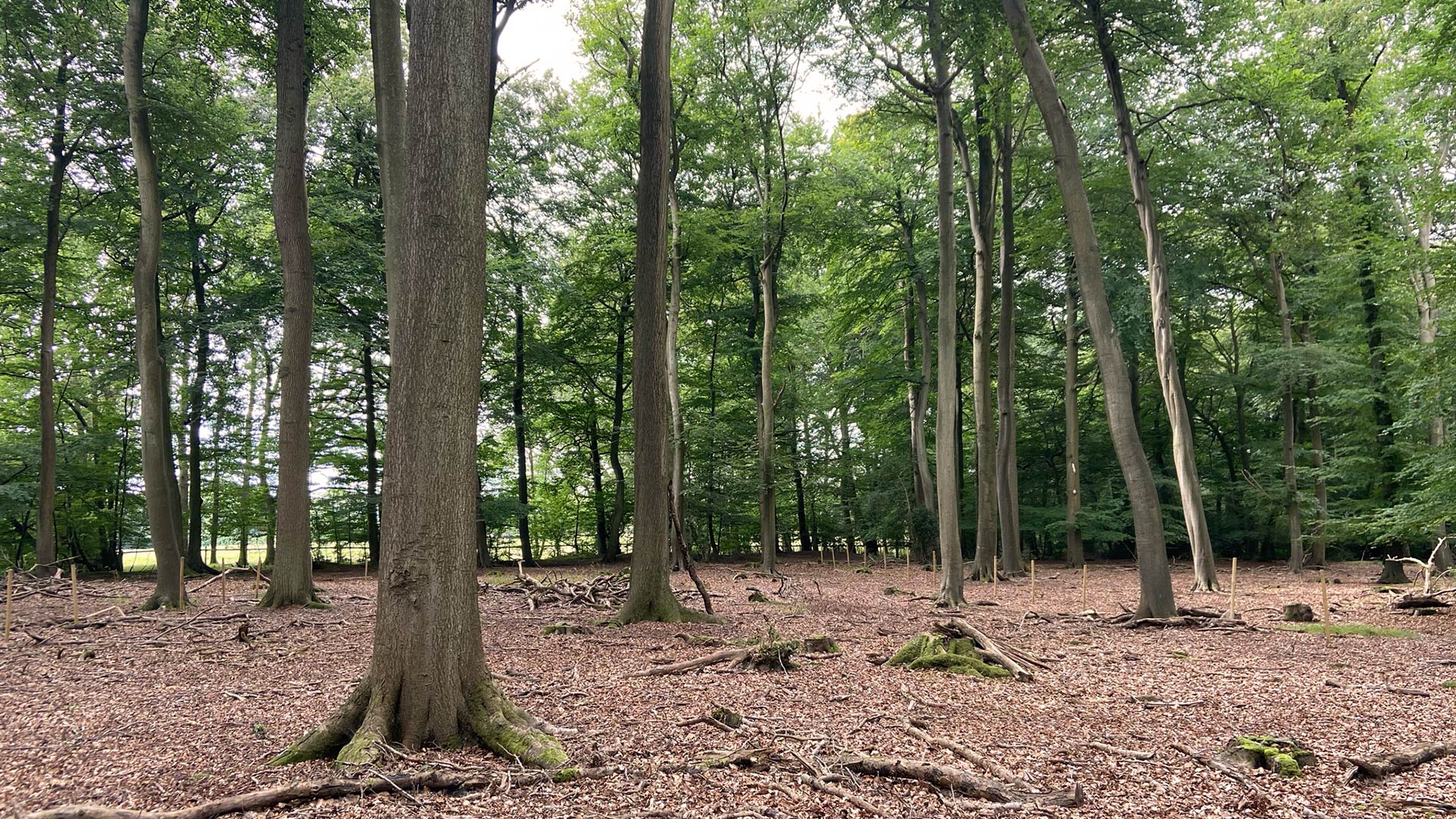
Do I need planning permission to build a house among trees?
Yes. Any residential home in the UK requires planning permission, and woodland sites often come with extra considerations such as Tree Preservation Orders (TPOs), Conservation Area rules, and ecological assessments. Your Architect will guide you through this process and prepare the required documents.
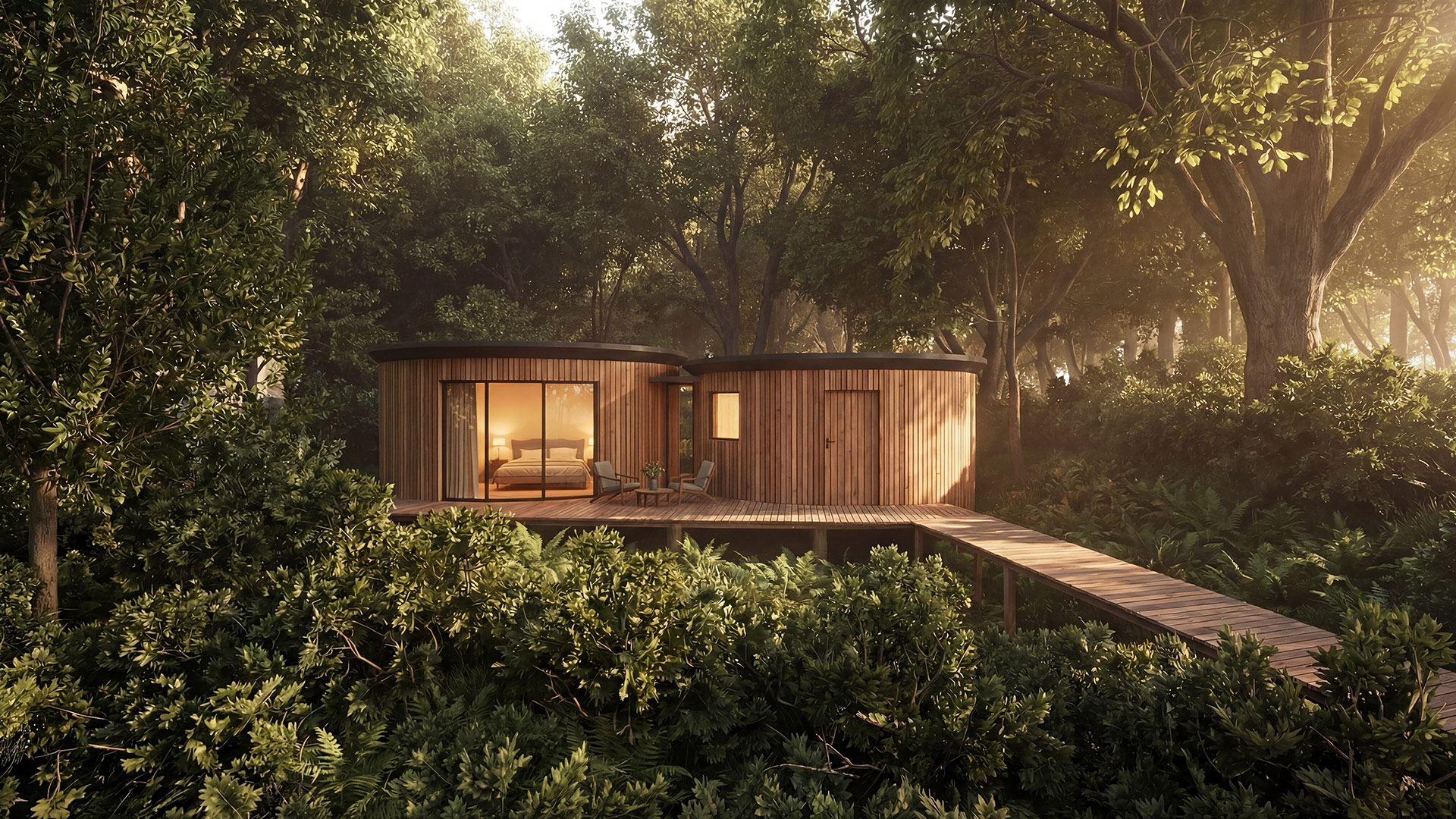
Can I remove trees to make space for the house?
This depends on local regulations and whether the trees are protected. Many woodland homes are designed to avoid disturbing mature trees, using careful layout, raised structures, and narrow construction zones. If a tree must be removed, permissions are required and may not always be granted.
What is a Tree Preservation Order (TPO)?
A TPO legally protects specific trees. You cannot cut, prune, damage, or excavate around them without approval from the local authority. Your architect and arboricultural consultant will identify TPOs early and design the home to respect root protection areas.
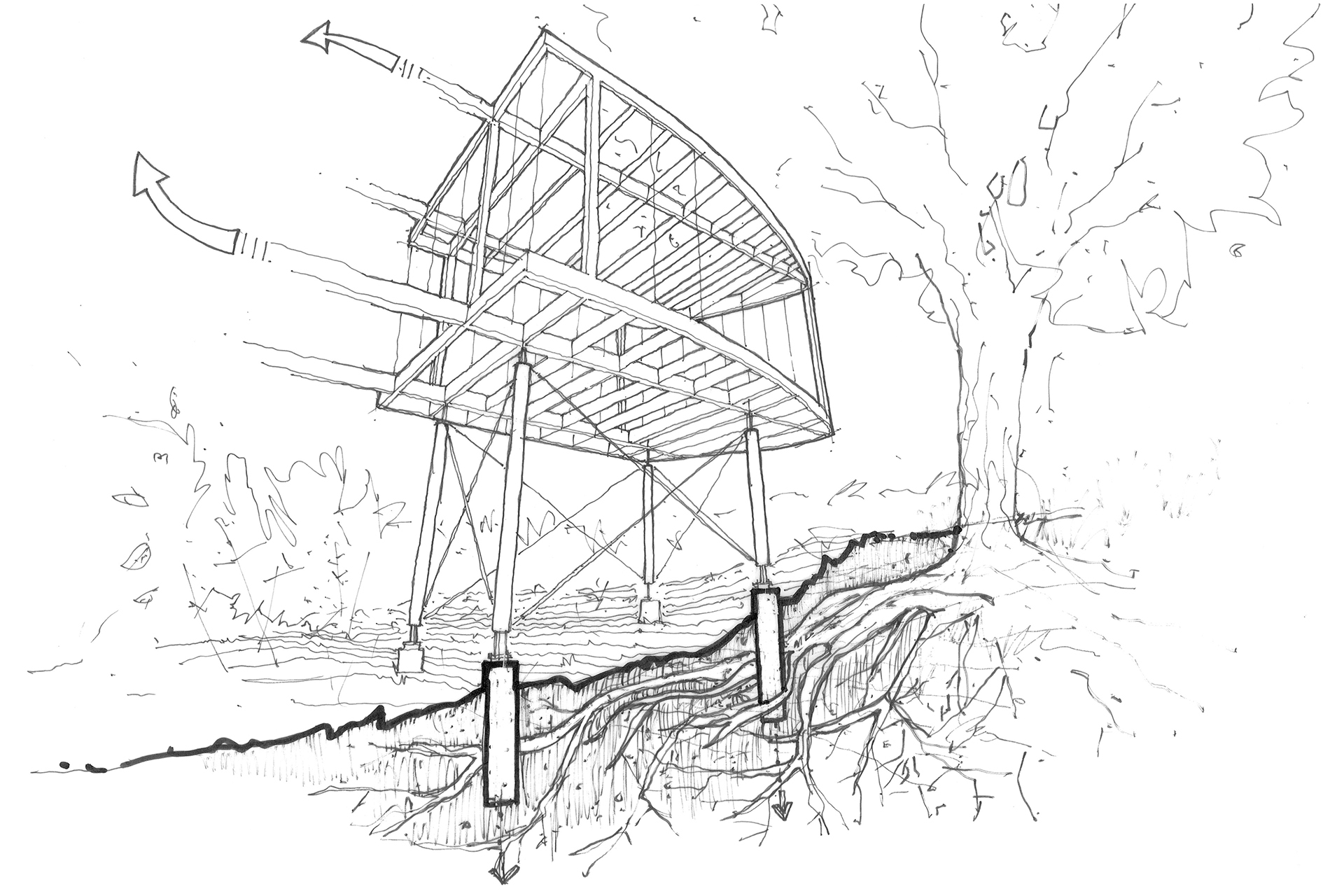
How close can the house be to existing trees?
This depends on the species, age, and size of the trees. Root Protection Zones (RPZs) define where digging is not allowed. Designs often use stilts, screw piles, or cantilevered decks to avoid disturbing root systems. Your project will be designed around these zones.
Are woodland or tree-house style homes more expensive to build?
Typically, yes. Costs can be higher due to:
- Specialist foundations
- Site access challenges
- Bespoke design
- Natural materials
- Environmental reports
- Planning constraints
However, many clients find the lifestyle benefits worth the investment.
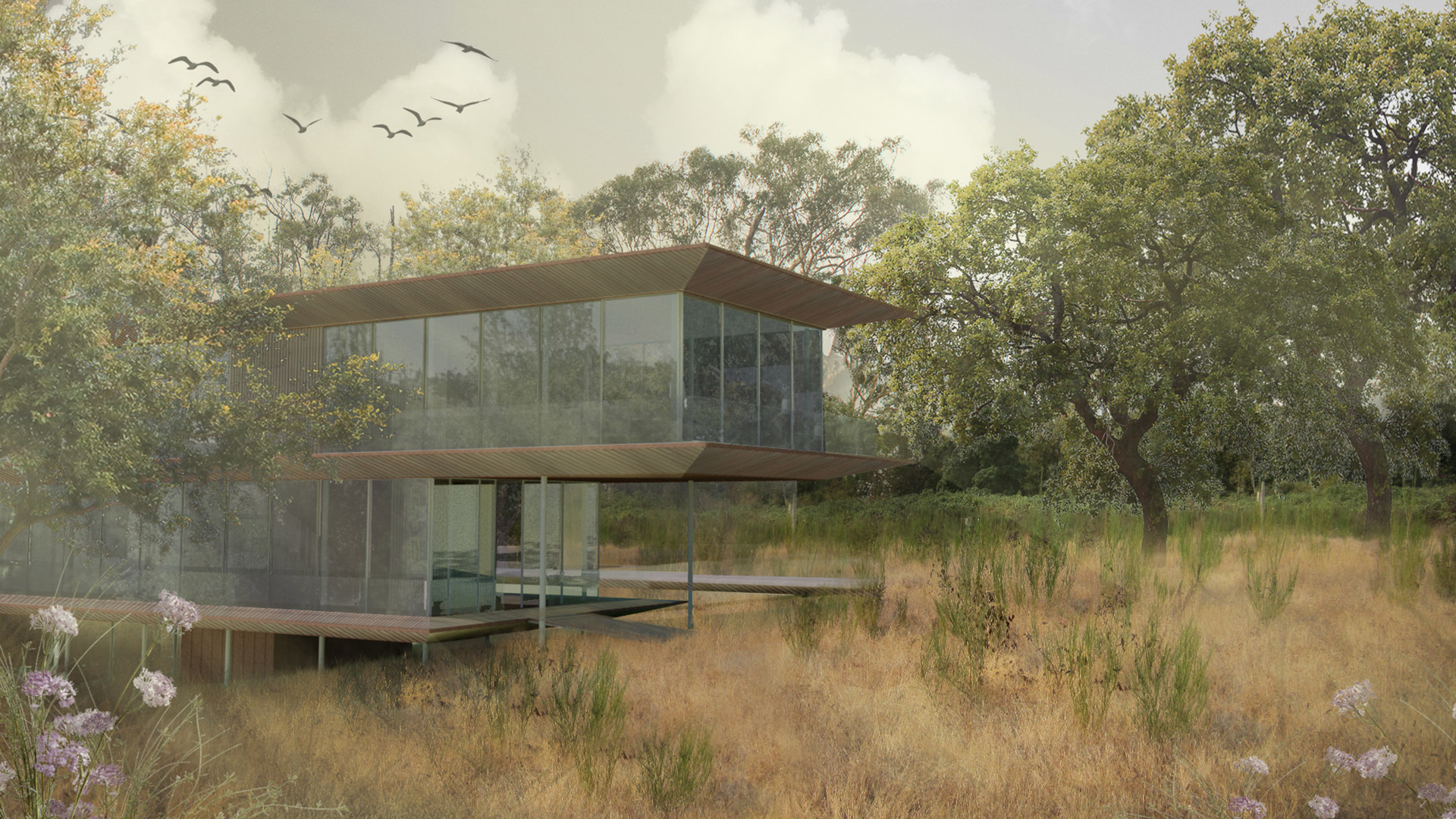
What materials work best for woodland homes?
Natural, durable materials are preferred because they blend into the environment and age gracefully. Examples include:
- Cedar, larch, or oak cladding
- Timber frames
- Stone detailing
- Green or sedum roofs
These materials complement the woodland setting and reduce visual impact. But the frame of the structure beneath might be timber or steel framed.
Will the house be dark because it’s in a forest?
Not necessarily. Architects use design techniques to bring in abundant natural light:
- Large windows and glazing
- Clerestory windows
- Light wells
- Glazed corridors
- Thoughtful orientation
The house can feel bright, airy, and connected to its surroundings.
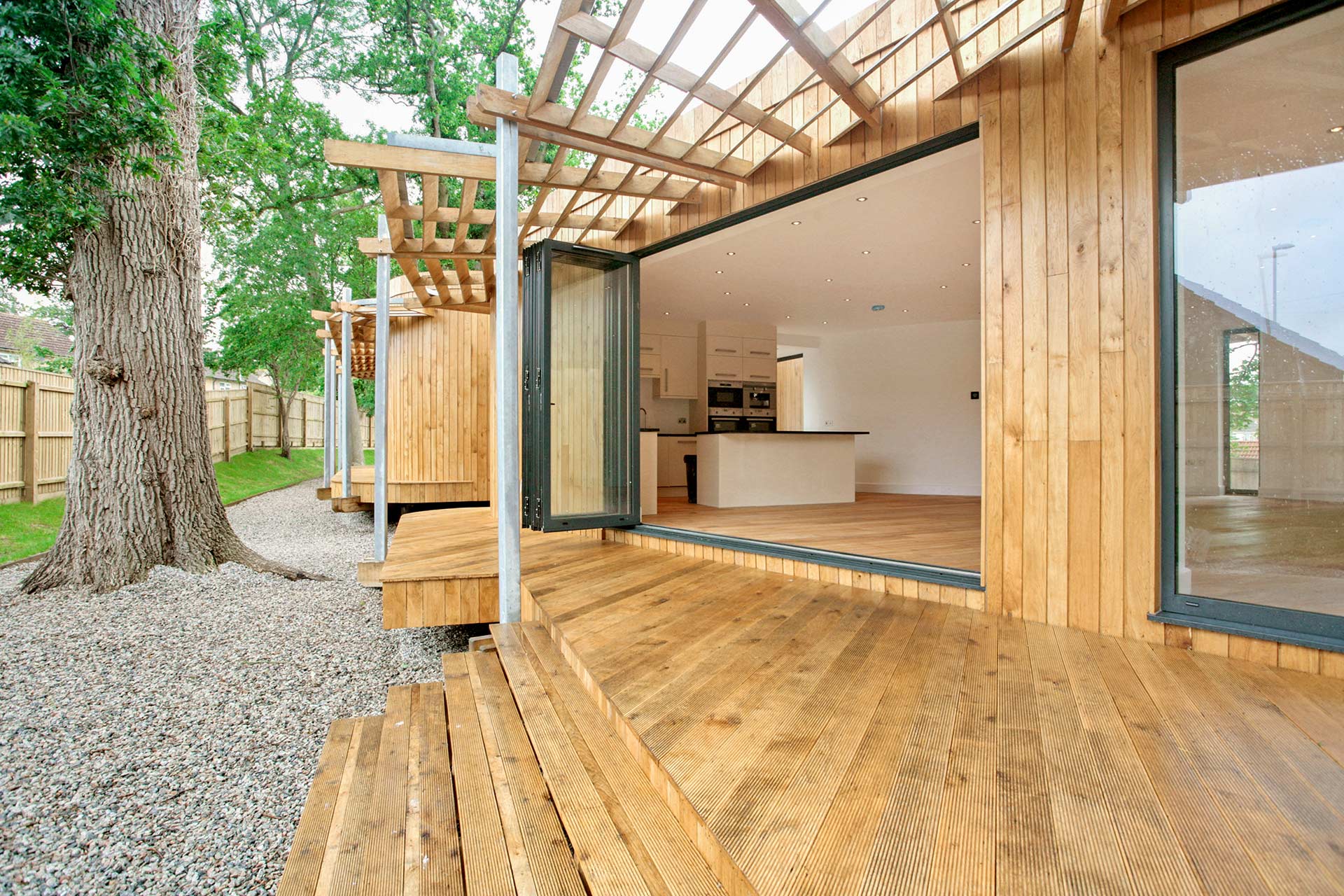
How do you protect the house from damp and moisture?
Woodland homes need strong moisture strategies, including breathable wall systems, good ventilation (e.g., MVHR), elevated structures, robust guttering, and weather-resistant materials. Proper detailing keeps the home warm, dry, and durable.
Is accessibility an issue with raised or stilted houses?
It can be, but accessible design is possible. With thoughtful planning from the early design stages, inclusive solutions such as gentle ramps, lift platforms, level thresholds, and wider walkways can be seamlessly integrated. Addressing accessibility upfront ensures the home remains practical, comfortable, and usable for people of all ages and abilities over the long term.
Do woodland homes require more maintenance?
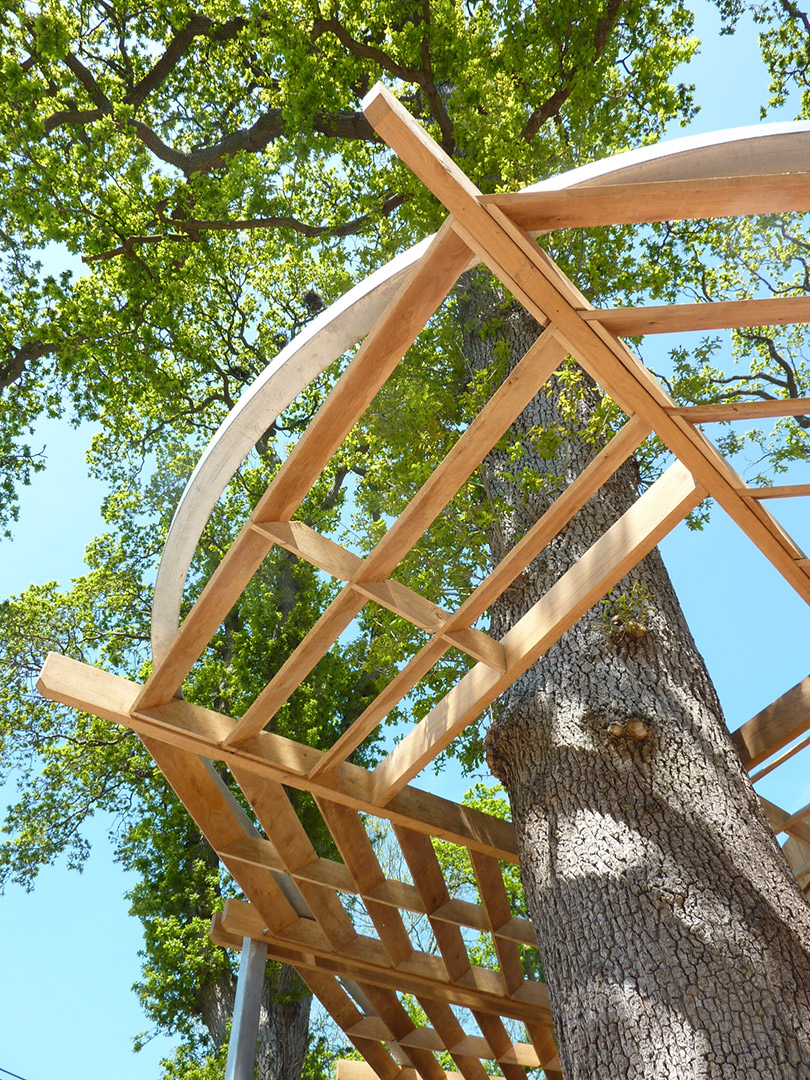
Some, yes. Expect periodic maintenance of timber cladding, decks, gutters, and roofs due to shade, humidity, and leaf debris. Good design reduces this maintenance, but a woodland environment is naturally more demanding than open countryside.
Can a woodland home be energy-efficient?
Definitely. Woodland homes are ideal for sustainable design. Common features include:
- High insulation levels
- Air-tight construction
- Solar panels
- Heat pumps
- Rainwater harvesting
- Natural materials with low embodied carbon
These homes can be as efficient, or more so, than standard rural houses.
What about wildlife?
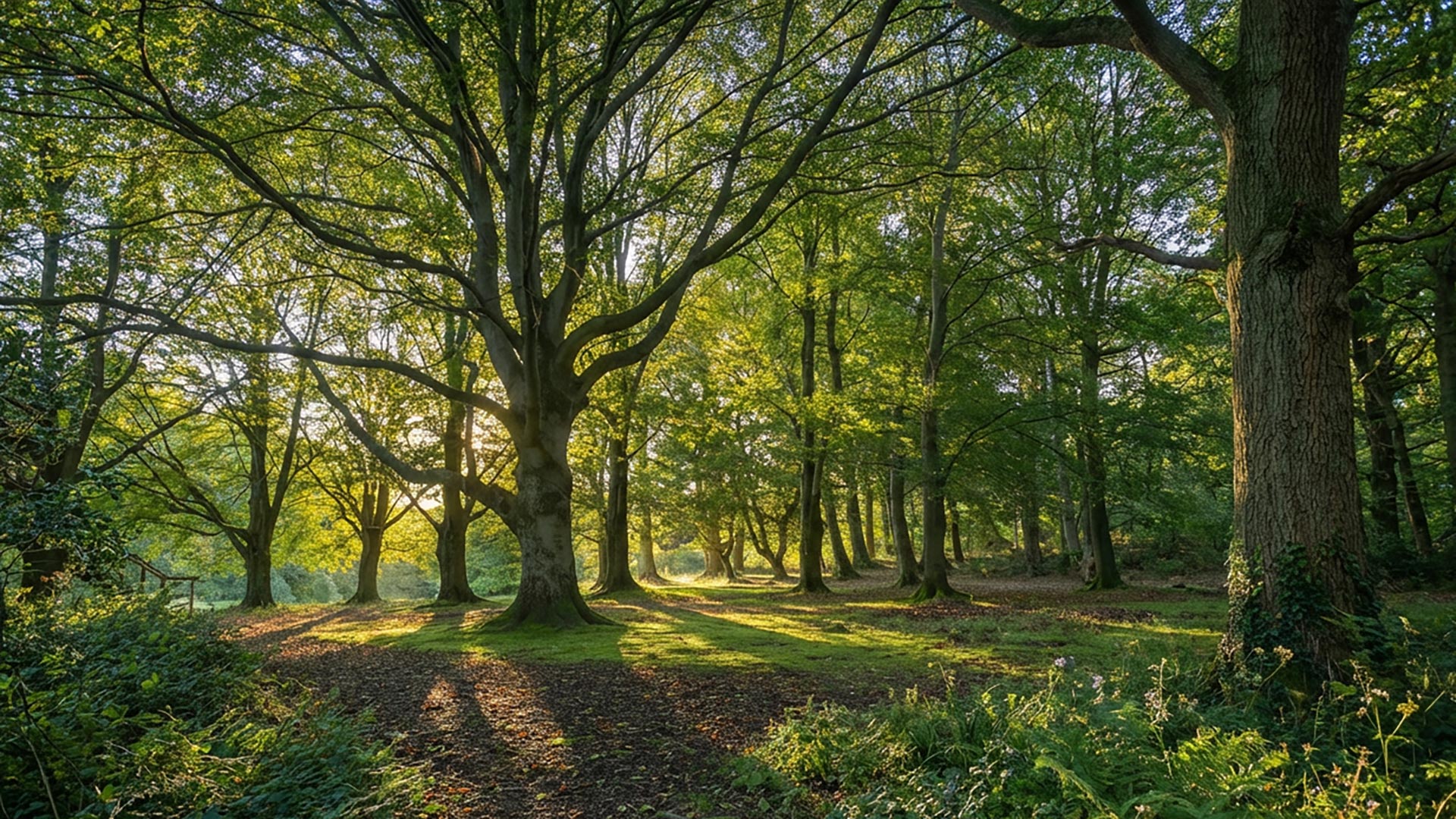
Woodland sites often host birds, bats, and small mammals. Ecological assessments may be required. Sensitive design – avoiding disruption, providing habitat corridors, using subtle lighting – helps protect wildlife and keeps the woodland healthy.
How long does it take to design and build a woodland home?
A typical timeline is:
- Concept & design: 3–6 months
- Planning & approvals: 3–12 months (woodland sites may take longer)
- Construction: 9–18 months
The exact timeline depends on site complexity and planning requirements.
Can you design a tree-house for leisure rather than a full home?
Yes, tree-houses can absolutely be designed for leisure rather than as full-time homes. Architects can create a wide range of lighter, more playful structures such as garden tree-houses, guest pods, studios or home offices, and even imaginative play spaces. These designs focus on enjoyment, creativity, and connection to nature while still being safe, well-crafted, and thoughtfully integrated into their surroundings.
These still need to comply with safety regulations and, sometimes, planning permission.
What makes tree-house style homes special?
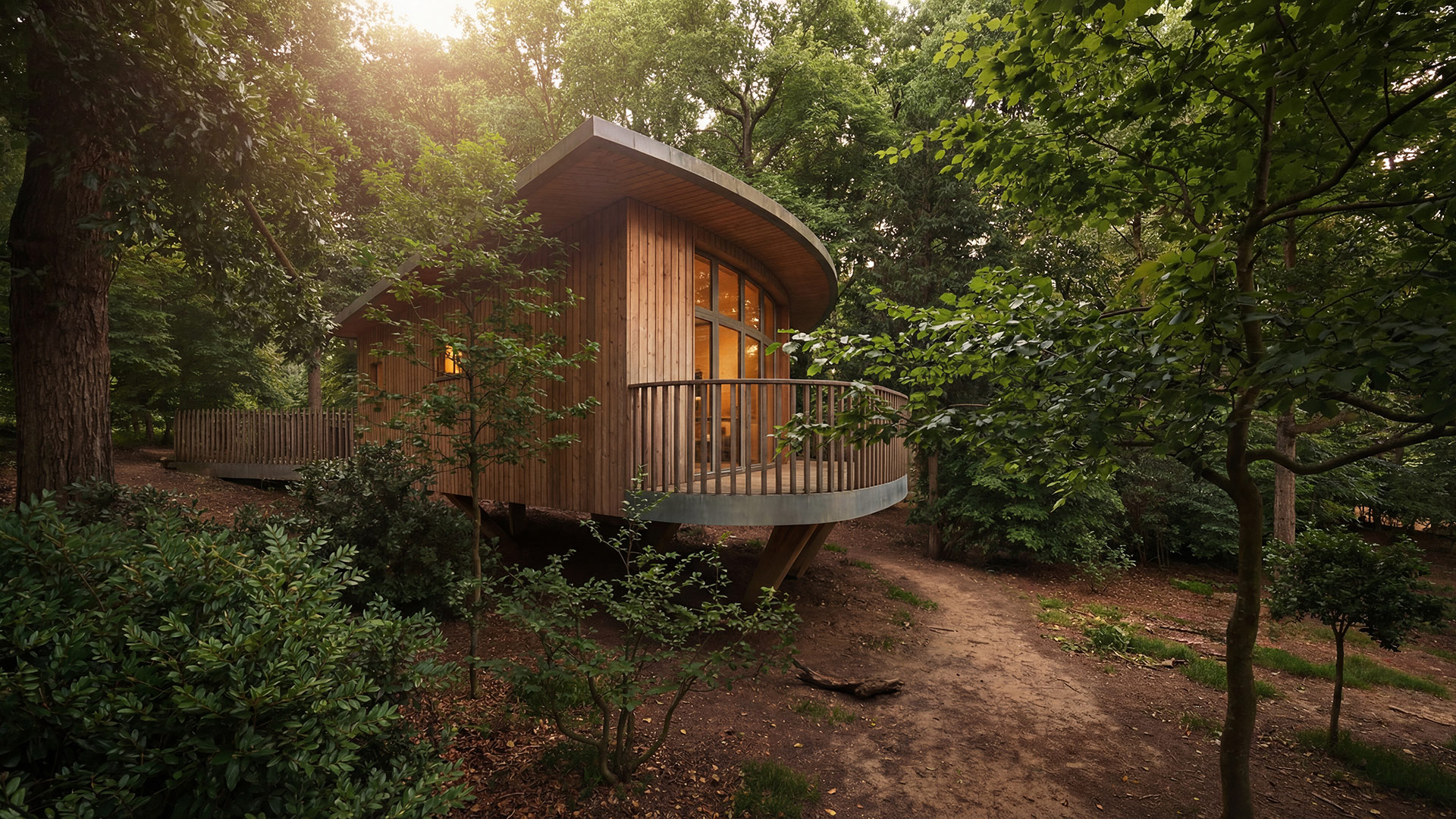
Tree-house style homes are special because they offer a peaceful, immersive retreat that feels deeply connected to nature while still delivering full modern comfort. Architecturally unique and naturally beautiful, these homes create an emotionally grounding environment where residents feel both sheltered and inspired. Many homeowners find that living among the trees encourages a slower pace of life and draws them outdoors more often, turning everyday living into a restorative, nature-centered experience.
If a tree house sounds like the perfect answer for your new home build, get in touch with our expert team at WDA.
Published 21 May 2026