What can I do to a listed building?

Conservation Architect and Director Phil Easton answers this frequently asked question:
“I am buying a listed cottage. It is in poor condition and the layout is not ideal for my family. What can I do to the listed building?”
Working with a listed building
If you are living in, or buying a listed building, you will already understand that any changes need to be approached carefully. Unlike standard properties, listed buildings are protected because of their architectural or historic interest, which means even relatively modest alterations can require formal consent.
Across Dorset, Wiltshire, Somerset and Hampshire, we regularly work with homeowners who want to improve how a listed building functions without undermining what makes it special. Listed Building Consent is required for works that affect a building’s character, both internally and externally. This can include changes to layouts, windows, doors, roof structures, services or original features. What often surprises owners is that consent is not limited to major alterations. Works that feel routine elsewhere are often examined in far greater detail in a listed context.
In some cases, that scrutiny extends beyond the building itself. Where a listed building also sits within a Conservation Area, National Landscape (formerly AONB), National Park or other designated setting, proposals are assessed against a wider set of considerations. This includes how changes affect the building’s setting, the surrounding environment and the character of the area as a whole.
Understanding what listing actually covers
One of the most common misunderstandings around listed buildings is what the listing applies to. While many owners assume it relates only to the main structure, the reality is often broader.
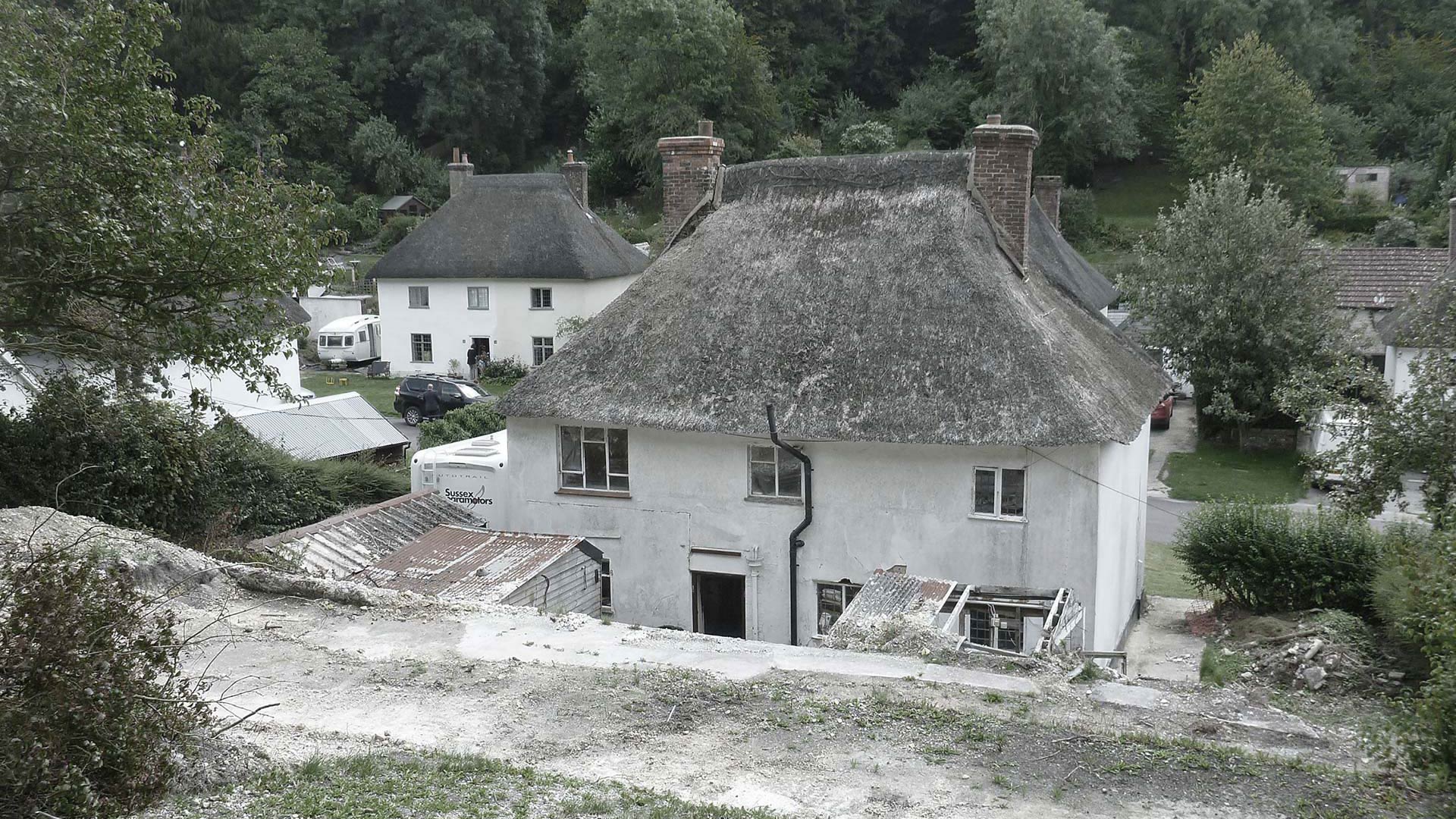
Everything within the curtilage of a listed building is typically protected. This can include later extensions, garages, outbuildings, garden walls and other landscape features, even where those elements feel modest or of limited historic value. As a result, works to structures that might otherwise seem straightforward can still require Listed Building Consent.
It is also worth noting that listing is not always based on what appears most visually significant today. The National Heritage List for England provides useful context, explaining why a building was listed and which features contribute to its significance. These are not always the features homeowners expect, particularly where buildings have evolved over time.
Most listed buildings are Grade II which means although what you do is controlled, it is not as strict as the Grade I and Grade II* listings that apply to more significant historic buildings.
Clarifying what is protected and why helps focus attention on the right parts of the building, leading to more constructive conversations about where change may be possible, rather than treating the entire property as untouchable.
Your responsibilities as a listed building owner
Owning a listed building brings legal responsibilities as well as opportunities. Unlike standard properties, owners have a statutory duty to maintain and repair a listed building so that it does not fall into disrepair. Owners are temporary guardians of the building.
Purchasers can sometimes acquire listed buildings that are already in poor condition without fully understanding the obligations that come with ownership. Local authorities have the power to intervene where a listed building is not being properly maintained and, in some cases, can issue Repair Notices requiring specific works to be carried out. These powers exist to prevent the long-term loss or deterioration of historic fabric.
Unauthorised works are treated seriously. Removing or altering historic fabric without consent is a criminal offence, whether the change is internal or external. For this reason, alterations should not be started without appropriate advice, even where works appear minor or urgent.
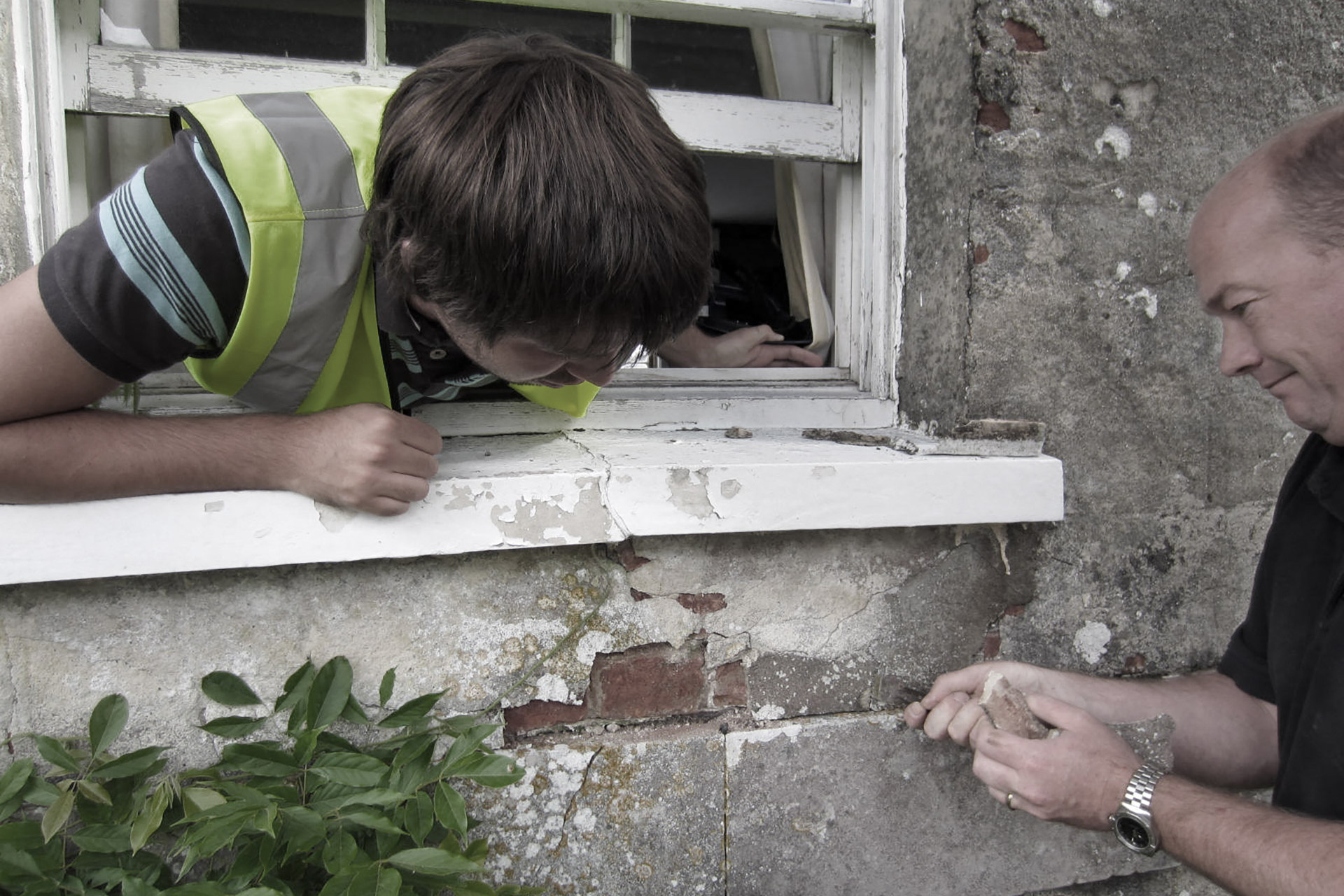
Where elements of a building are failing, such as structural timbers, floors, doors or windows, repair is generally preferred over replacement. Where replacement is unavoidable, it should be approached carefully, using materials and detailing that respect the building’s character, while allowing modern interventions to remain clearly identifiable.
What you cannot do to a listed building
There are clear limits on what can be changed without consent, and these are often where homeowners run into difficulty.
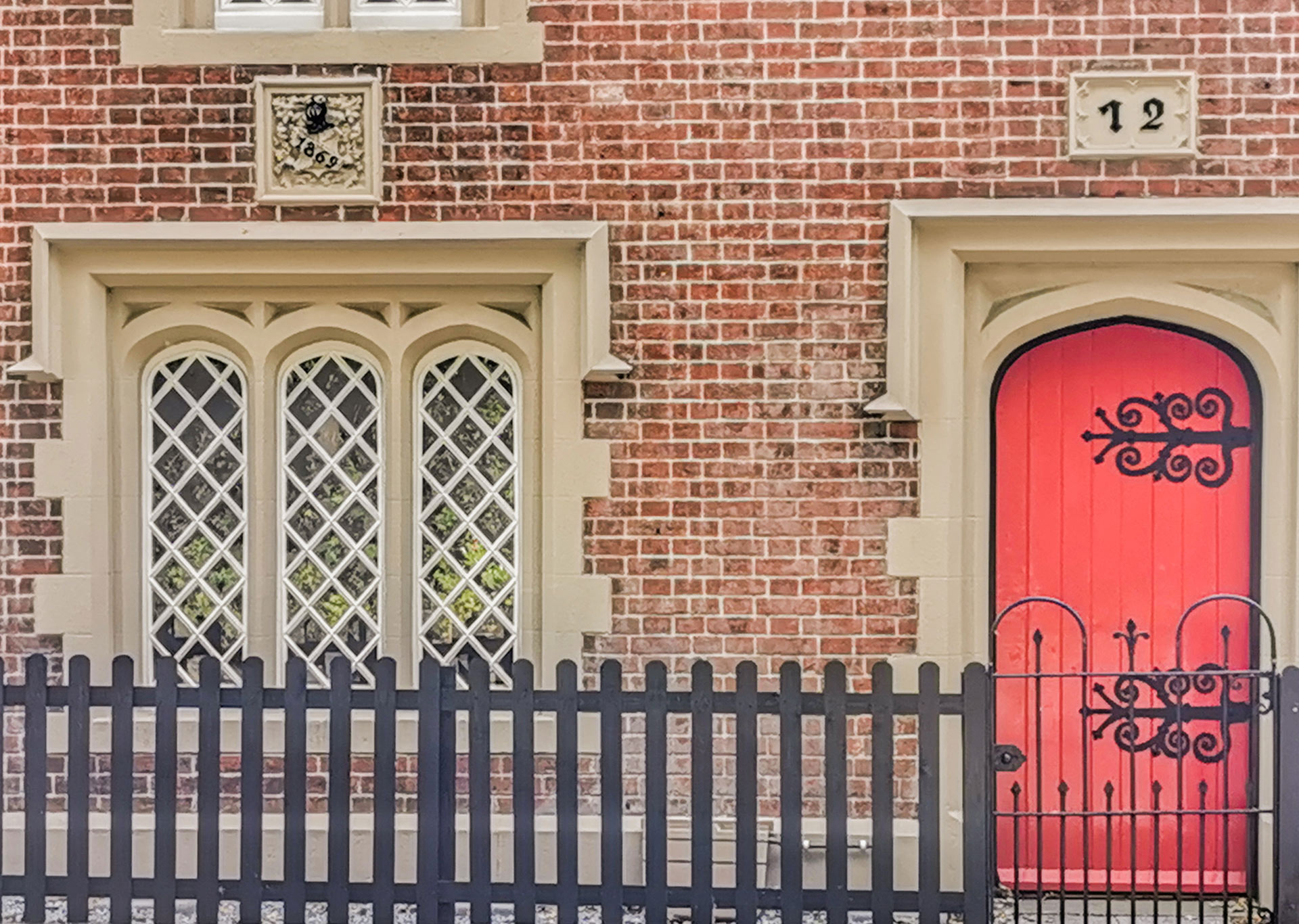
As a general rule, historic fabric should not be removed, altered or replaced without Listed Building Consent. This includes structural elements, original floors, roof structures, staircases, fireplaces, doors and windows, even where those elements are in poor condition. Demolition of all or part of a listed building, or works that affect its character, is a criminal offence if carried out without approval.
Certain modern materials and finishes are also unlikely to be supported. UPVC windows and doors, cement-based mortars, artificial stone, stone cladding and pebbledash are typically resisted because they alter how a historic building performs and ages. Standard double glazing is usually not acceptable, although specialist alternatives such as slim-profile glazing may be considered in some situations.
As everything within the curtilage of a listed building is protected, even where parts appear more modern or of low quality, consent is still required before changes are made. Alterations should never be approached on the assumption that permission will follow. Early advice helps clarify what is fixed, what may be negotiable, and where change is most likely to be supported.
What you can do to a listed building
Listed buildings are not frozen in time. They have always evolved, and changes that support modern living are often both reasonable and necessary when handled carefully.
Many historic homes were never designed with today’s expectations in mind. Open fires are commonly replaced with wood-burning stoves, central heating is introduced, and bathrooms or toilets are often rethought or relocated where earlier alterations were poorly planned. Internal layouts can usually be adjusted, provided the most important historic features are respected and retained.
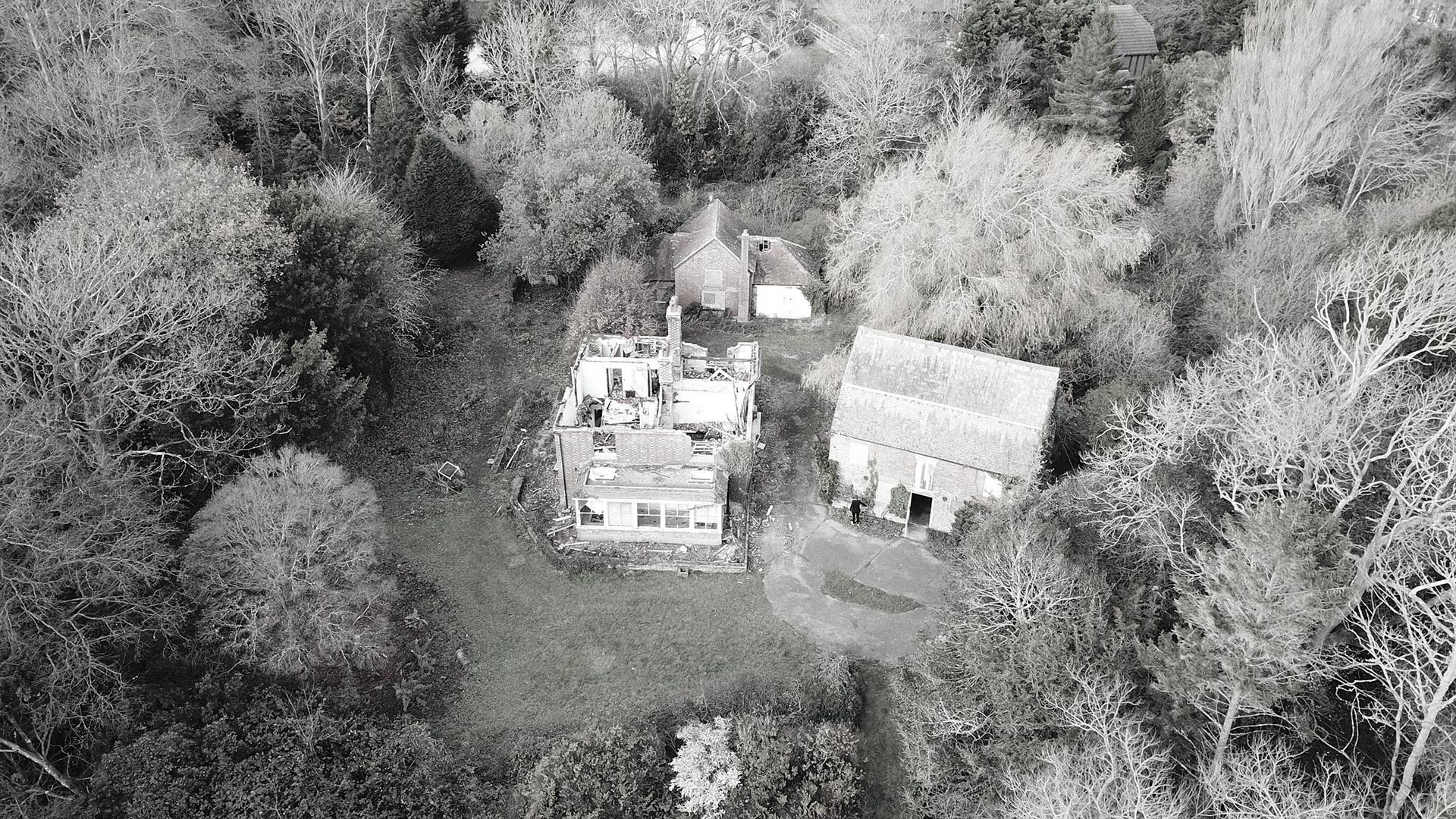
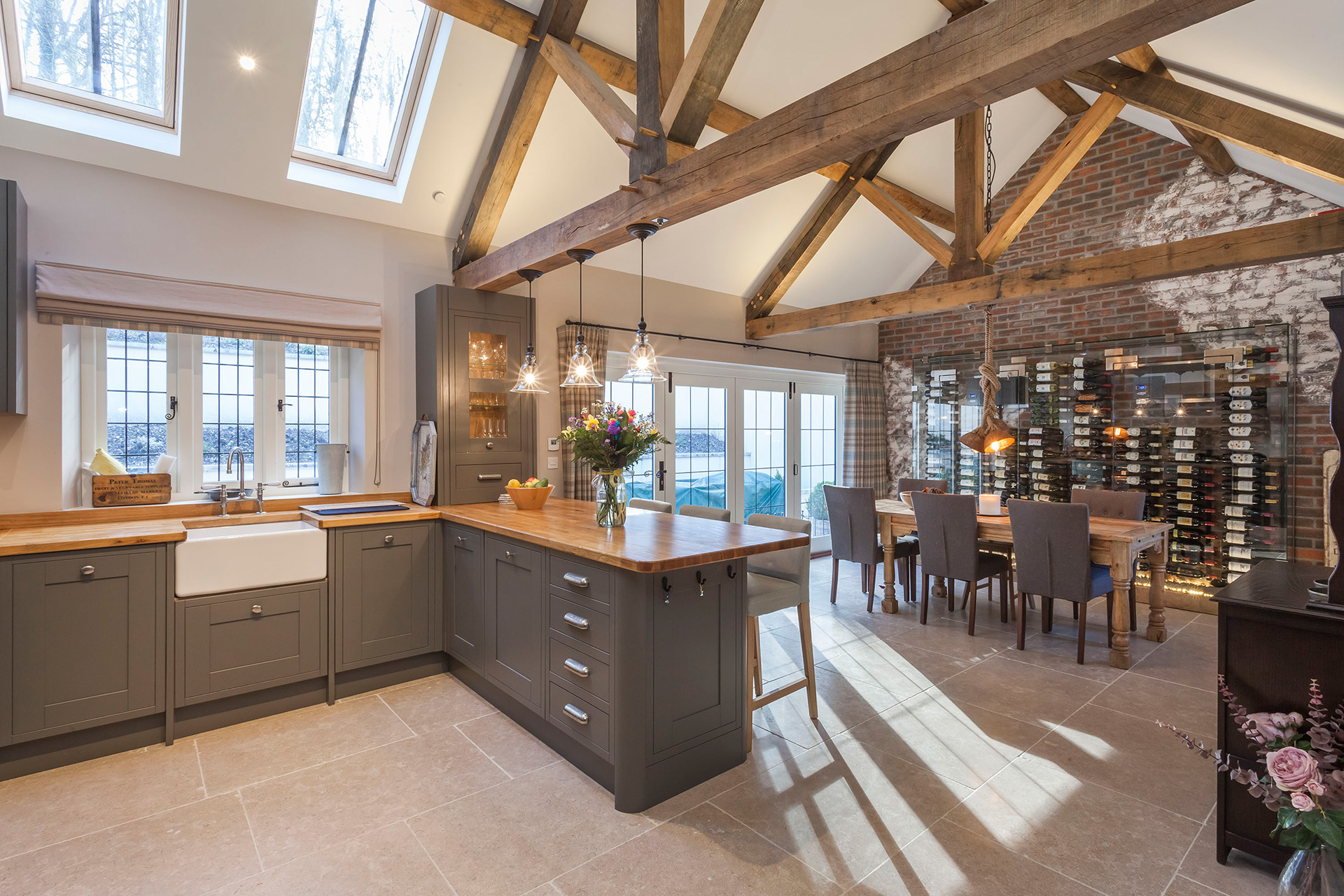
Loft conversions can also be possible. These typically require conservation rooflights or, in some cases, small dormers. Any new openings need to be discreet, traditionally proportioned and carefully positioned to minimise visual impact. Standard modern dormers, particularly those commonly seen on developer-built housing, are rarely appropriate for listed buildings.
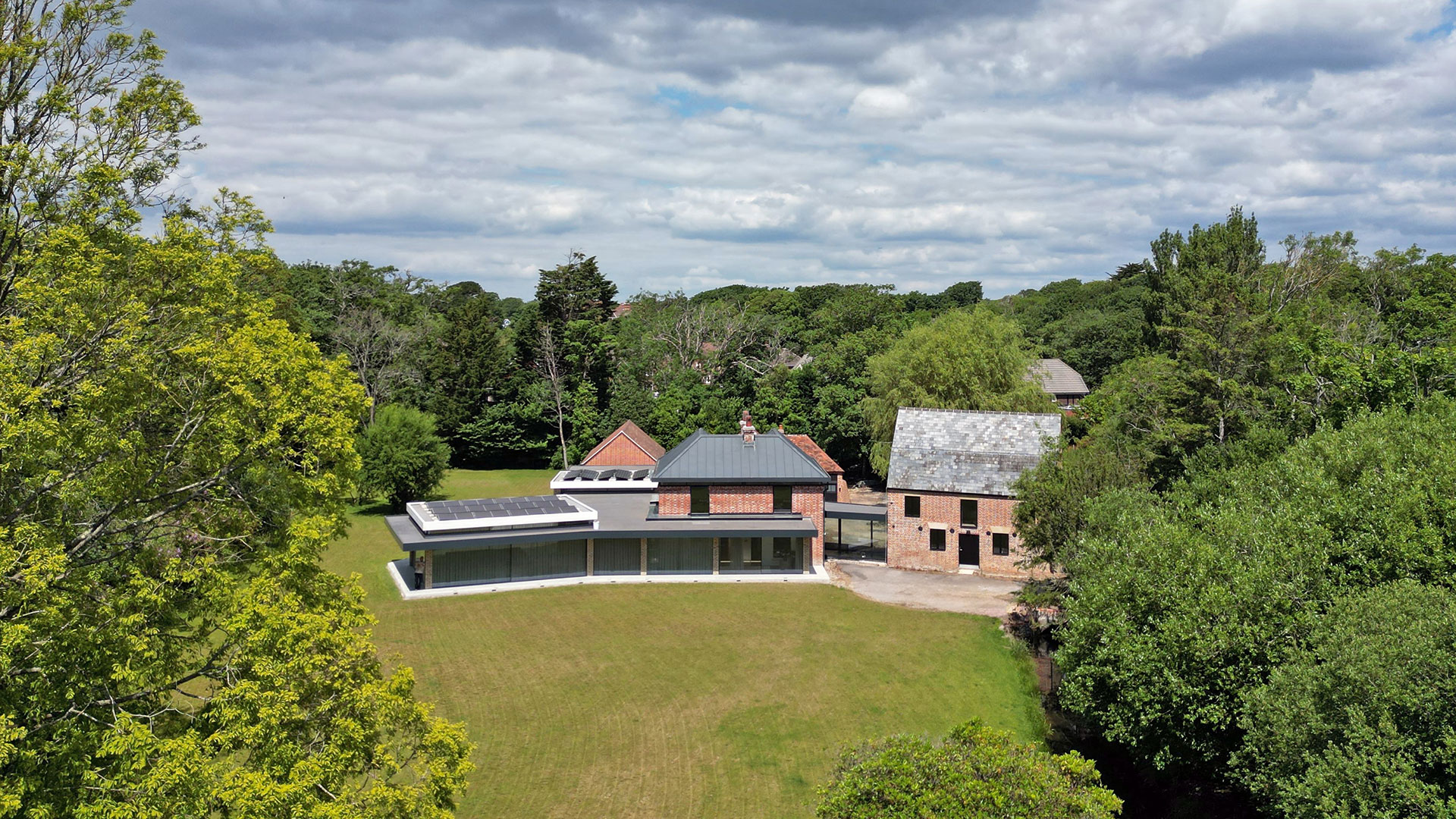
Extensions are another common route. These should remain clearly subservient to the main building in both scale and character, respecting not only the listed structure itself but also its wider setting and landscape. Importantly, an extension does not need to mimic the original building. Contemporary designs, including glazed or timber-framed additions, are often supported where they are well considered and clearly expressed as modern interventions rather than pastiche.
Internally, remodelling is often approached with restraint. Retaining existing walls and openings where possible helps preserve the building’s character, particularly in older cottages where smaller rooms are part of the historic fabric. In some cases, adding a modest extension can be a more appropriate way to create larger living spaces, allowing the original rooms to remain intact and comfortably used as studies, snug areas or bedrooms.
Traditional construction methods also play a role in how a listed building can be adapted. Materials such as cob, for example, offer excellent thermal mass, helping to regulate temperature throughout the year. Understanding how these materials perform is key to making sensitive improvements that enhance comfort without compromising the building’s long-term health.
Why early architectural advice matters
Listed buildings are usually special for a reason. Their character, craftsmanship and history are often what draw people to them, but adapting them for modern living requires care and judgement.
Well-considered changes can also add long-term value. Sensitive extensions, carefully planned alterations and thoughtful upgrades often improve how a building works day to day, while strengthening its appeal and longevity.
From experience, listed building projects work best when there is a clear strategy from the outset. Understanding which elements matter most, how alterations can be justified, and how proposals are likely to be viewed by Conservation Officers allows decisions to be made with confidence and helps avoid redesign, delay or unnecessary cost later on.
If you would like to discuss what may be possible for your own listed property, our conservation team is always happy to talk through ideas.
The Process
WDA will assist you through the process of gaining Listed Building Consent by guiding you through the regulations and requirements, preparing the necessary documents, and liaising with local authorities to improve your chances of approval.
- Identify the need. Contact the Local Planning Authority to confirm if the works require consent.
- Pre-application consent. Engage in early discussions with the planning and Conservation Officers in the local authority to seek their assistance and guidance on what is likely to be acceptable.
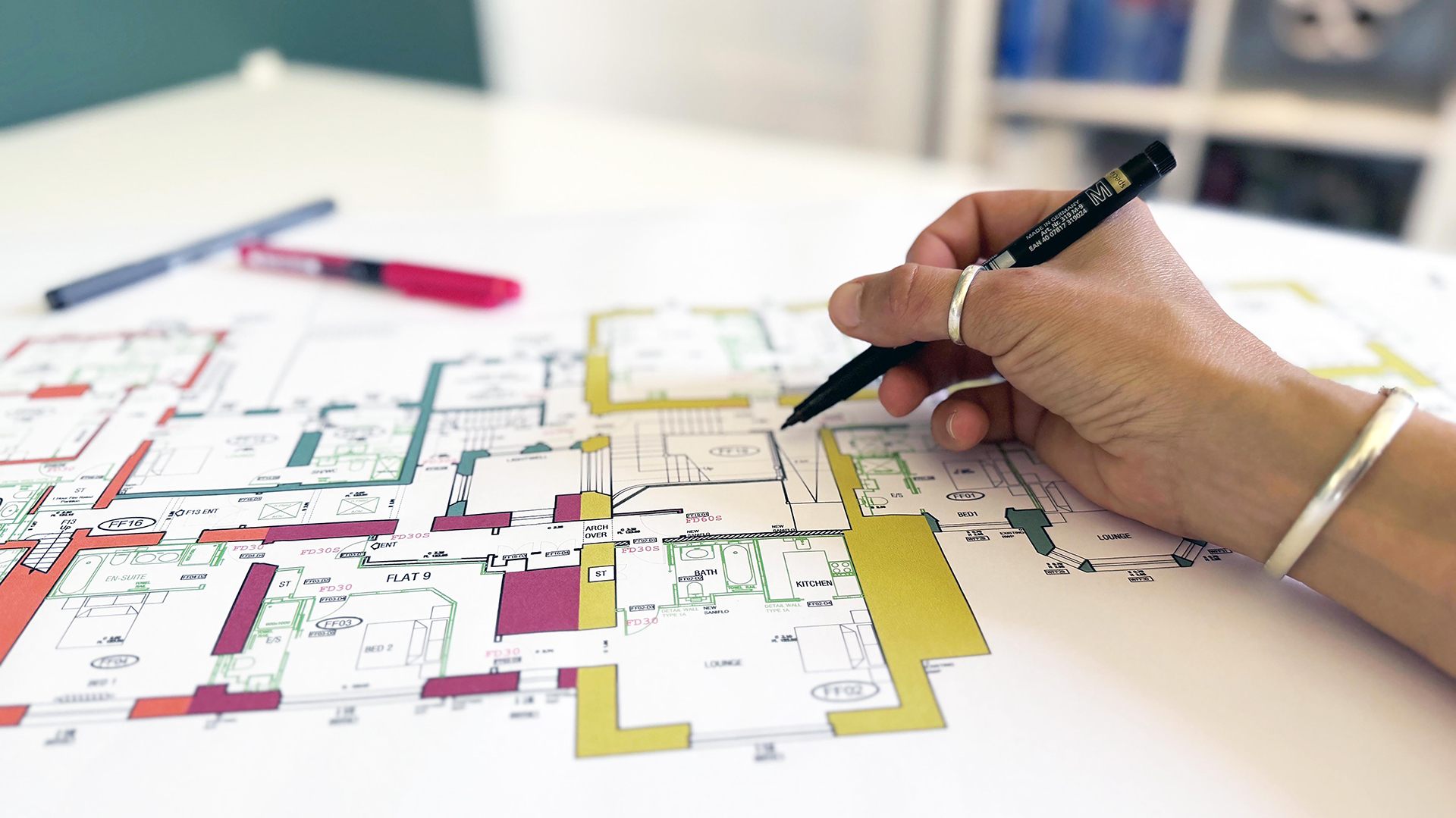
- Preparation of Documents. These include detailed plans of both existing and proposed floor plans, elevations, and sections. Heritage Statements to explain the buildings historical significance and how the proposals impact it, along with descriptions of techniques and materials to be used. A photographic survey to show the locations of areas affected.
- Submission of the Application. Applied through the Local Authority
- Await decision. Authorities review the proposal and may request revisions or seek site visits. Local authorities aim to determine applications within 8 weeks, but it can often take longer.
Find out more about our experience and how we work with Heritage Buildings or take a look at some of our Heritage Projects.
Want to read more?
Read our next article by Conservation Architect Phil Easton – Making alterations to a listed property
Published 24 June 2026