A guide to BREEAM – Part 1
In this guide, Architect Rebecca Smith explores the principles behind BREEAM, explaining what it is, how the assessment works and the key areas considered throughout the design and construction process.

What is BREEAM?
BREEAM stands for the Building Research Establishment Environmental Assessment Method. Put simply, it is a recognised way of measuring and improving the environmental, social and sustainability performance of a building.
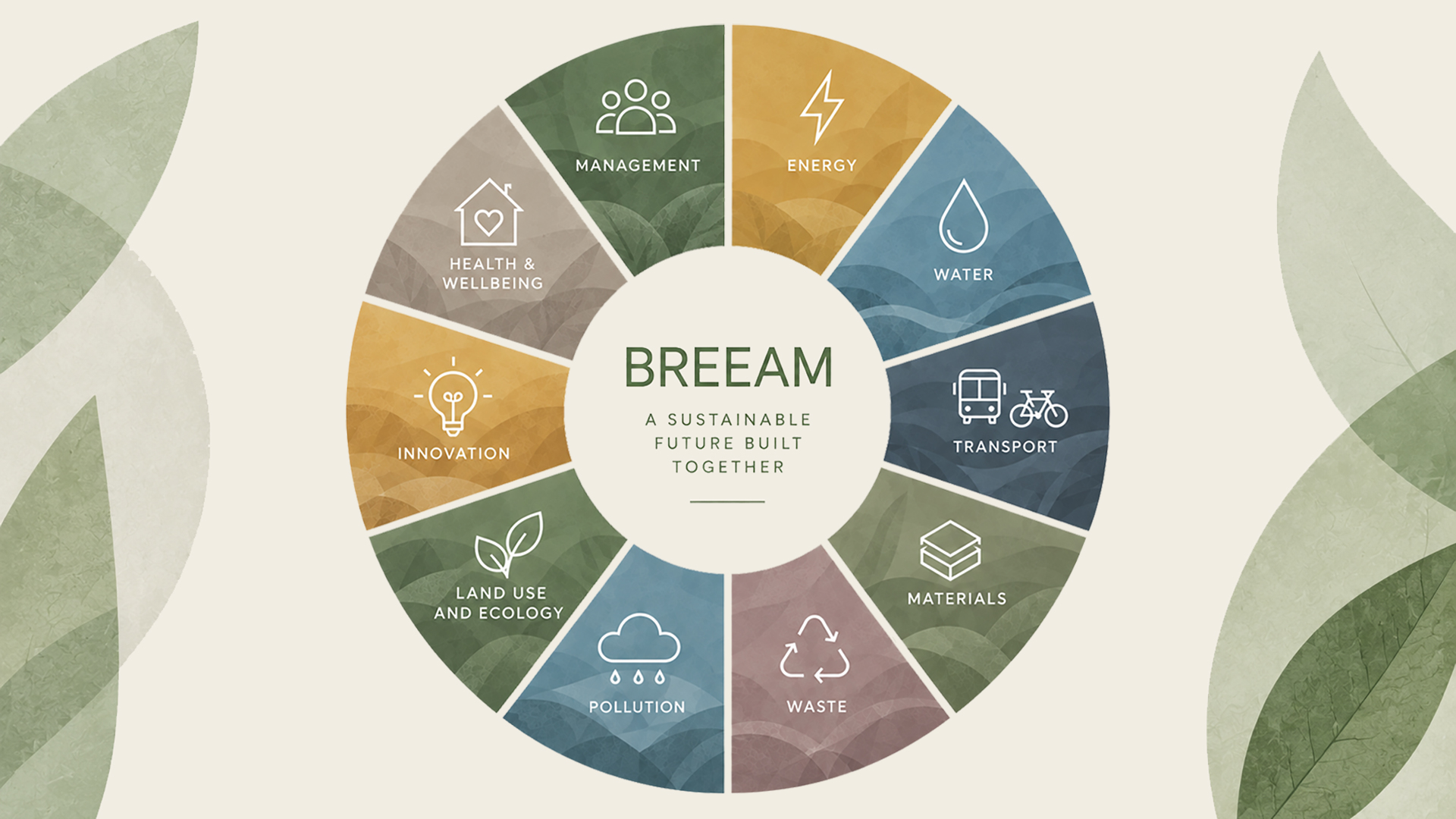
Rather than focusing solely on energy efficiency, BREEAM takes a holistic approach to sustainability. It considers everything from energy and water use to materials, transport, biodiversity, waste, pollution, health and wellbeing, and how a building is managed throughout its lifecycle.
Developed in the UK by the Building Research Establishment (BRE), BREEAM has become one of the world’s leading sustainability assessment methods for the built environment. It provides an independent, evidence-based assessment, allowing clients, developers and building owners to demonstrate the sustainability credentials of their projects. BREEAM has been used to improve asset performance from design and construction through to operation and refurbishment.
BREEAM can be relevant to a wide range of development types, including commercial, industrial, retail, education, healthcare and leisure projects. This is not just for new construction, but also includes refurbishment and fit-out of existing commercial buildings.
New Construction V Refurbishment and Fit Out
For new buildings, BREEAM New Construction V7 is the latest standard. It provides a framework for assessing newly constructed assets, with an increased emphasis on whole-life carbon, biodiversity and ecology, durability, and responsible material selection. It also places greater emphasis on energy performance and strategies for achieving net zero carbon.
For existing buildings, BREEAM Refurbishment and Fit Out V7 provides two tailored pathways, depending on the scope of the proposed works.
- BREEAM Refurbishment V7 is intended for more substantial upgrades to an existing building. This may include changes to the building fabric, structure, core services, local services and interior design, depending on the scope of the project.
- BREEAM Fit Out V7 is more suited to interior-focused projects where the wider building structure and core systems are not being significantly altered. It focuses primarily on areas such as internal layouts, finishes, furnishings and localised services.
If you are providing a new build extension to an existing building, it is likely your project will fall under the refurbishment or fitout standard, however, we would advise that you should always obtain written confirmation from your local authority planning department which standard they would apply through a pre-application enquiry. It is essential to establishing which BREEAM scheme is appropriate early on as it will inform the scope of the works and the intended assessment route can influence design decisions from the outset.
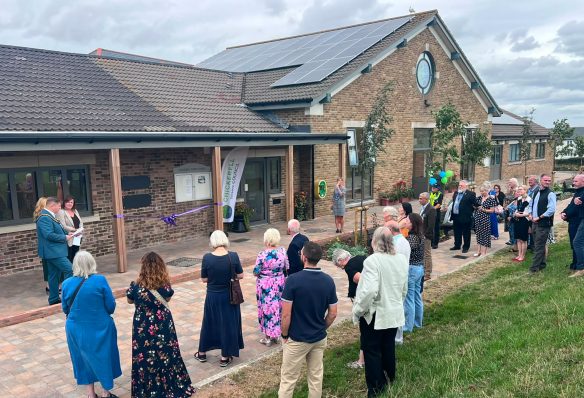
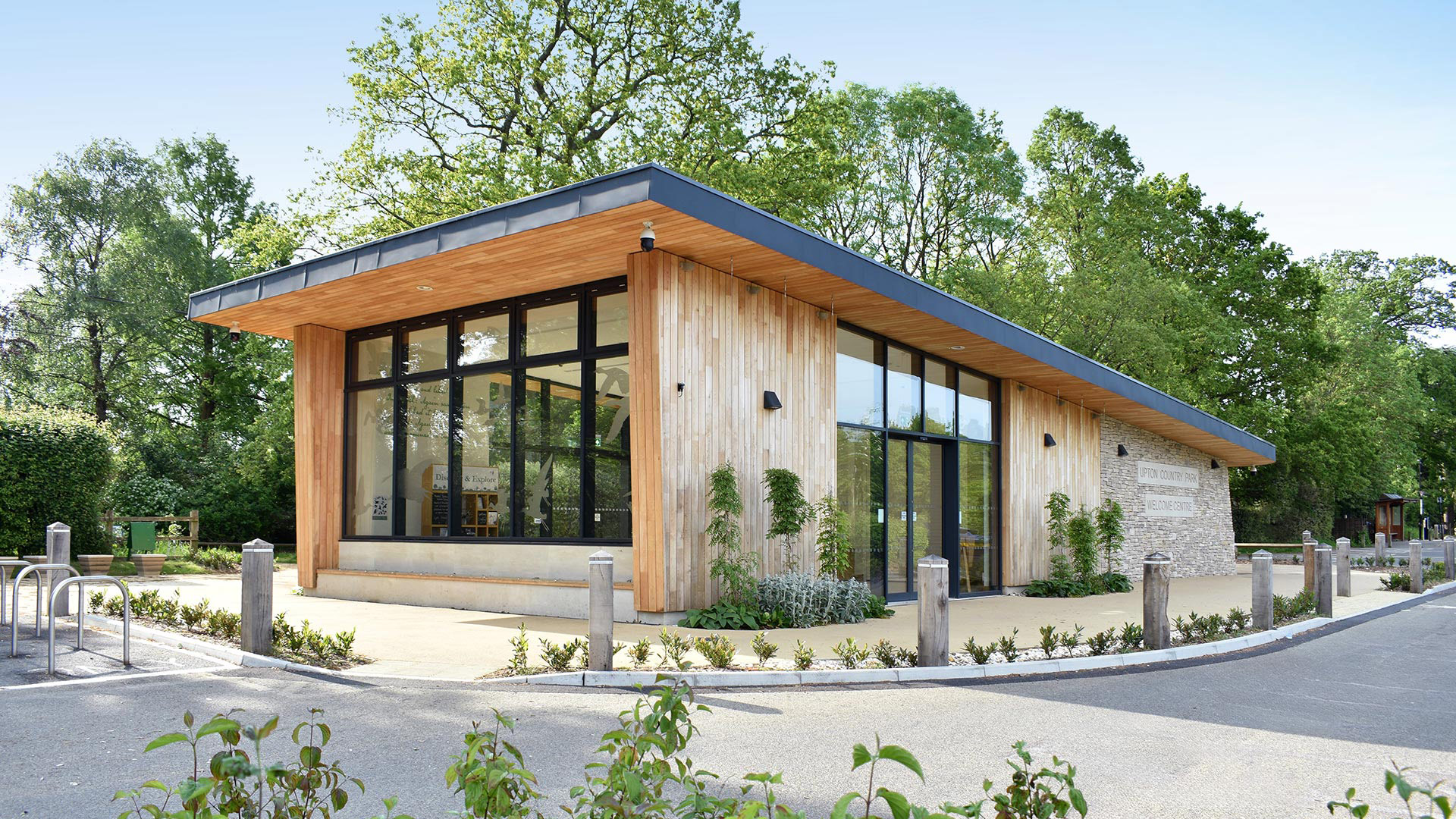 Upton Country Park Welcome Centre (2022)
Achieved BREEAM ‘Very Good’ through BREEAM New Construction 2018
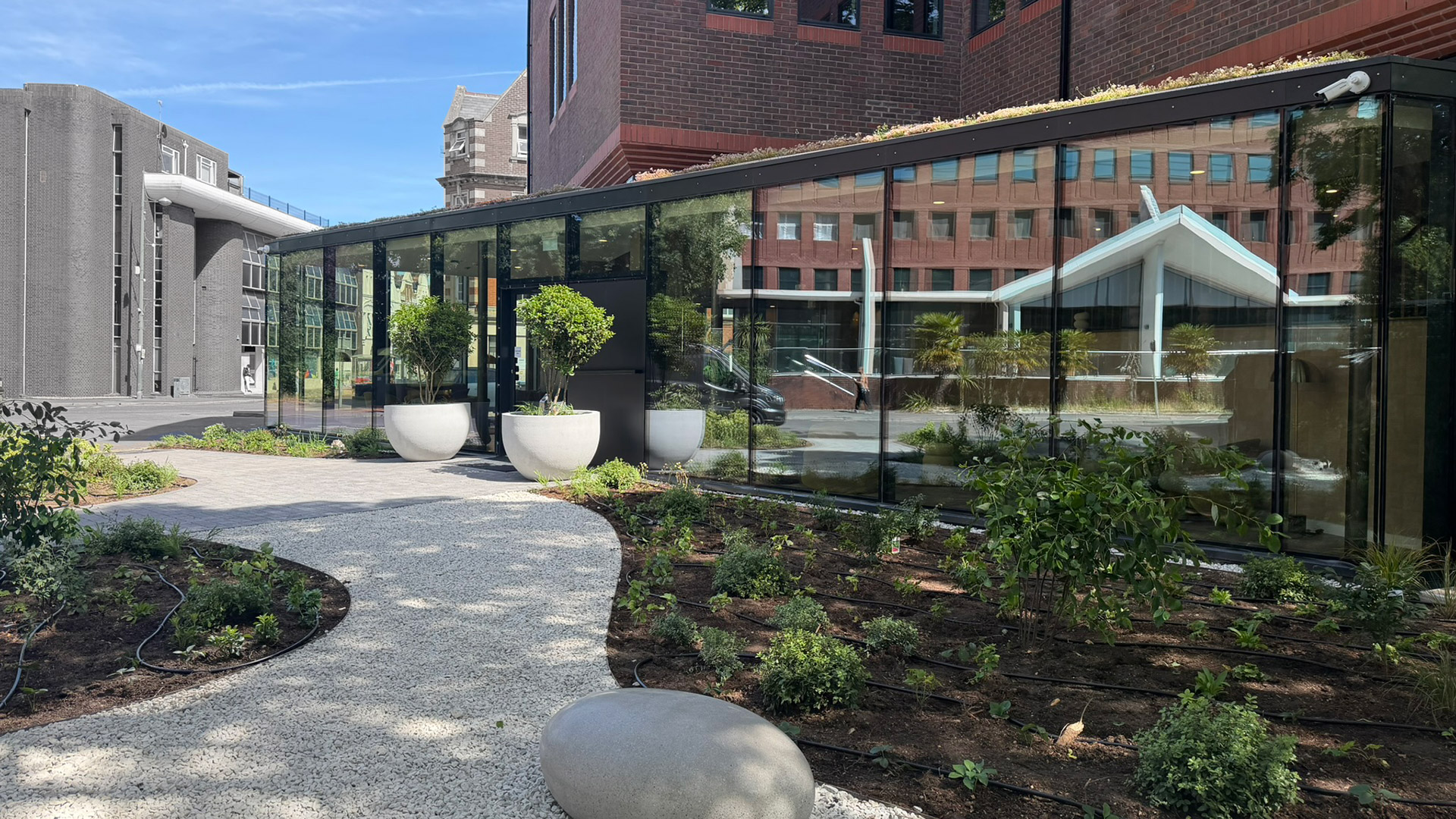 Arena Victoria House (2026)
Achieving BREEAM ‘Very Good’ through BREEAM Refurbishment & Fit Out 2014
How is a BREEAM rating achieved?
A BREEAM assessment awards credits for meeting specific sustainability criteria. These credits are grouped into a series of environmental and sustainability categories, with different requirements depending on the type of project and the BREEAM scheme being used.
Key areas assessed under BREEAM include:
- Management – how sustainability is embedded throughout the design, construction and handover process.
- Health and Wellbeing – factors such as daylight, indoor air quality, thermal comfort, acoustics and the quality of spaces for occupants.
- Energy – energy efficiency, carbon emissions, energy monitoring and operational performance.
- Transport – sustainable travel, accessibility and transport impacts.
- Water – water efficiency, monitoring and consumption.
- Materials – responsible sourcing, durability and whole-life carbon.
- Waste – reducing and managing construction and operational waste.
- Land Use and Ecology – biodiversity, ecological value and enhancement of the site.
- Pollution – measures addressing issues such as pollution, refrigerants and surface water.
- Innovation – opportunities to recognise innovative approaches or exemplary performance.
The credits achieved are combined to produce an overall score and BREEAM rating. BREEAM also includes minimum standards that must be met for certain target ratings, meaning that simply achieving the required overall percentage is not always sufficient.
For BREEAM New Construction V7, the ratings are:
| Rating | Overall score |
| Pass | 25%+ |
| Good | 40%+ |
| Very Good | 55%+ |
| Excellent | 70%+ |
| Outstanding | 85%+ |
The target rating should be established as early as possible, as achieving a higher rating may require additional design measures, specialist input and coordination across the project team. In our experience, most projects are now targeted as Very Good as a minimum, through to outstanding. It is possible to ask the local authority to lower the standard if they have asked a high standard, but this can generally only be achieved by commissioning a BREEAM pre-assessment by a qualified assessor, with robust and evidence-backed justifications. The reasons for this are typically because the higher rating makes the scheme financially unviable or technically impractical for your specific site.
In Part 2 of this guide, we look at when BREEAM is required, the benefits it can bring to a project, and how WDA can support you in navigating the process and achieving your project goals.
Published 05 October 2026