What is Permitted Development?

If you are planning changes to your home, the term “permitted development” can feel confusing. Most online explanations point straight to legislation or government pages, which are not always easy to interpret. In simple terms, permitted development allows certain types of building work to go ahead without the need for full planning permission, as long as the design stays within specific limits.
This guide by Director Matthew Haley aimed at homeowners explains what permitted development actually is, how it works in real life and where the rules might differ depending on your home.
What Permitted Development Means for homeowners
Permitted Development (PD) rights come from national planning rules. They allow homeowners to carry out certain improvements without submitting a planning application, which can make the process quicker and more straightforward.
These rights usually apply to small or medium scale changes such as extensions, loft conversions and outbuildings. Each type of work has its own size limits and conditions, so it is important to understand what applies to your property.
The aim of permitted development is to make everyday home improvements easier, while ensuring buildings remain safe and well designed.
Examples of Work Covered by Permitted Development
Permitted development can apply to several types of projects, but the rules vary depending on where you live, the type of home you have and the nature of the work.
Below are some examples of Permitted Development where WDA can assist clients, along with some key parameters on what is acceptable.
A useful visual guide can be found on the Planning Portal offering further specifics. However, if you are unsure if your building works are permitted, then you can submit an Informal Permitted Development Enquiry to the Local Authority to check if a proposal is PD, seek advice from a Planning Consultant, or get in contact with WDA who can assist you with your enquiry and design.
Home Extensions
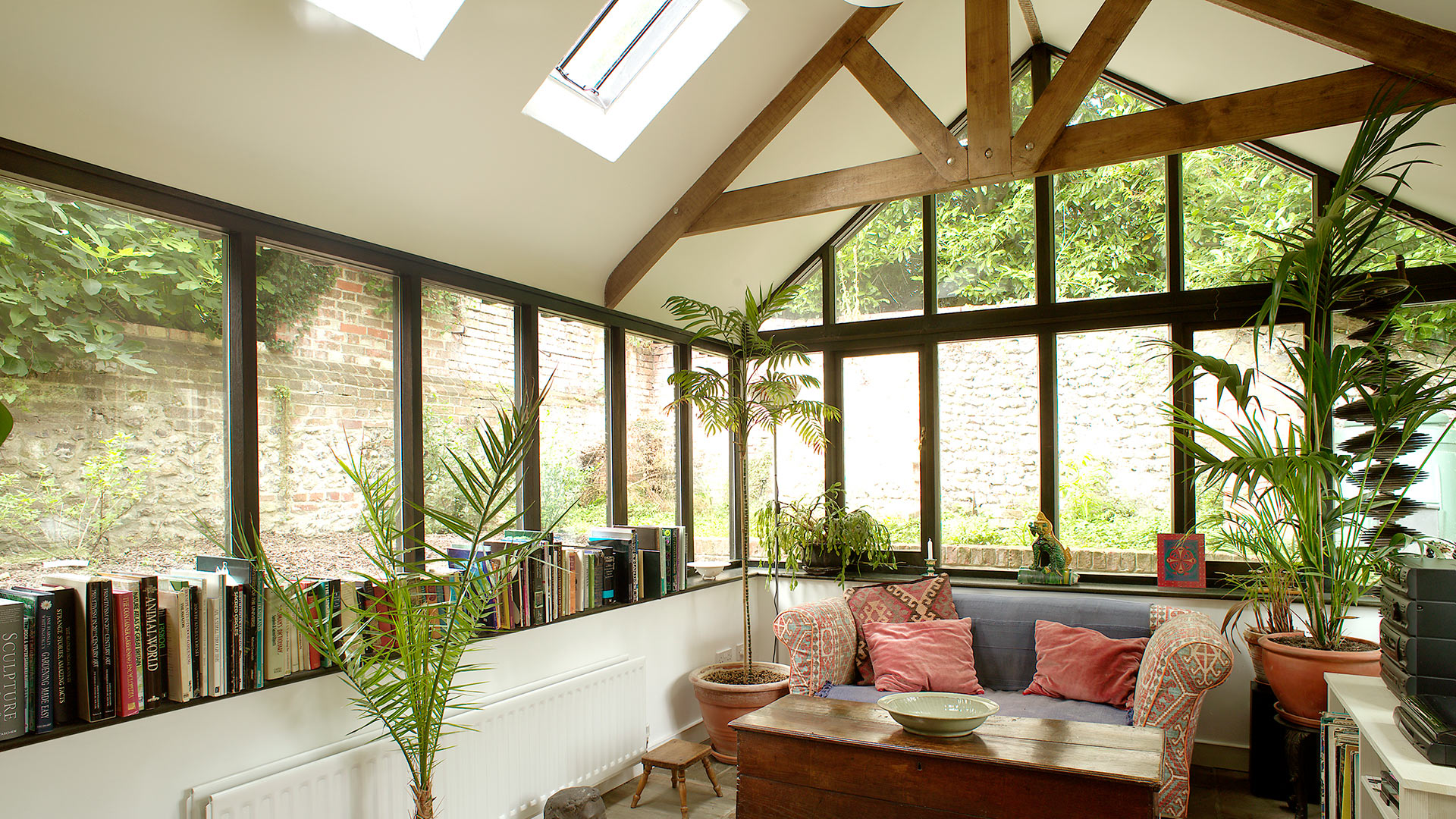
Some rear and side extensions can fall under permitted development. The amount of space allowed depends on whether your home is detached, semi-detached or terraced. There are also rules about height, materials and how close you can build to boundaries. These limits can feel quite specific, and even small changes can affect whether your extension qualifies.
Single Storey Rear Extension
Maximum depth:
Single-storey rear extensions must not extend beyond the rear wall of the original house (as it was first built or as it stood on 1 July 1948) by more than 4 metres if a detached house; or more than 3 metres for any other house. On non designated land this can be increased to 8m for detached and 6m for any other house, with Prior Approval.
The extension must not come within 7 metres of the rear property boundary.
Maximum height:
Single-storey rear extensions must not exceed a height of four metres.
Any part of the roof falling within 2 metres of your neighbours’ boundaries must be a maximum height of 3 metres.
Area Permitted:
Extensions must not exceed 50% of the total area of land around the original house. Sheds and other outbuildings must be included when calculating the 50% limit.
Appearance:
Your choice of materials must be similar in appearance to the original house.
Two Storey Rear Extensions
Two storey rear extensions are not permitted on “designated land”.
Maximum depth:
Two storey extensions must not extend beyond the rear wall of original house by more 3m or be within seven metres of any boundary opposite the rear wall of the house.
Maximum height:
Maximum eaves and ridge height of the extension should be no higher than the existing house.
If the extension is within two metres of a boundary, the maximum eaves height should be no higher than 3m to be permitted development. The pitch of the roof should match the existing house.
Area Permitted:
Extensions (including previous extensions) and other buildings including sheds and outbuildings must not exceed 50% of the total area of land around the original house.
Appearance:
Your choice of materials must be similar in appearance to the original house.
Single Storey Side Extensions
Maximum width:
Single storey side extensions must not exceed half the width of the original house.
Maximum height:
Single-storey side extensions must not exceed a height of 4 metres.
Area Permitted:
Extensions (including previous extensions) and other buildings including sheds and outbuildings must not exceed 50% of the total area of land around the “original house”.
On designated land, extensions on any side wall of the original house are NOT permitted development.
Appearance:
Your choice of materials must be similar in appearance to the original house. Not including conservatories.
Wrap Around Extensions: A side and a rear extension can not adjoin under Permitted Development Rights. A planning application would be required.
Two storey side extensions
Two storey extensions do not fall under permitted development to the side or front of the house.
Loft Conversions
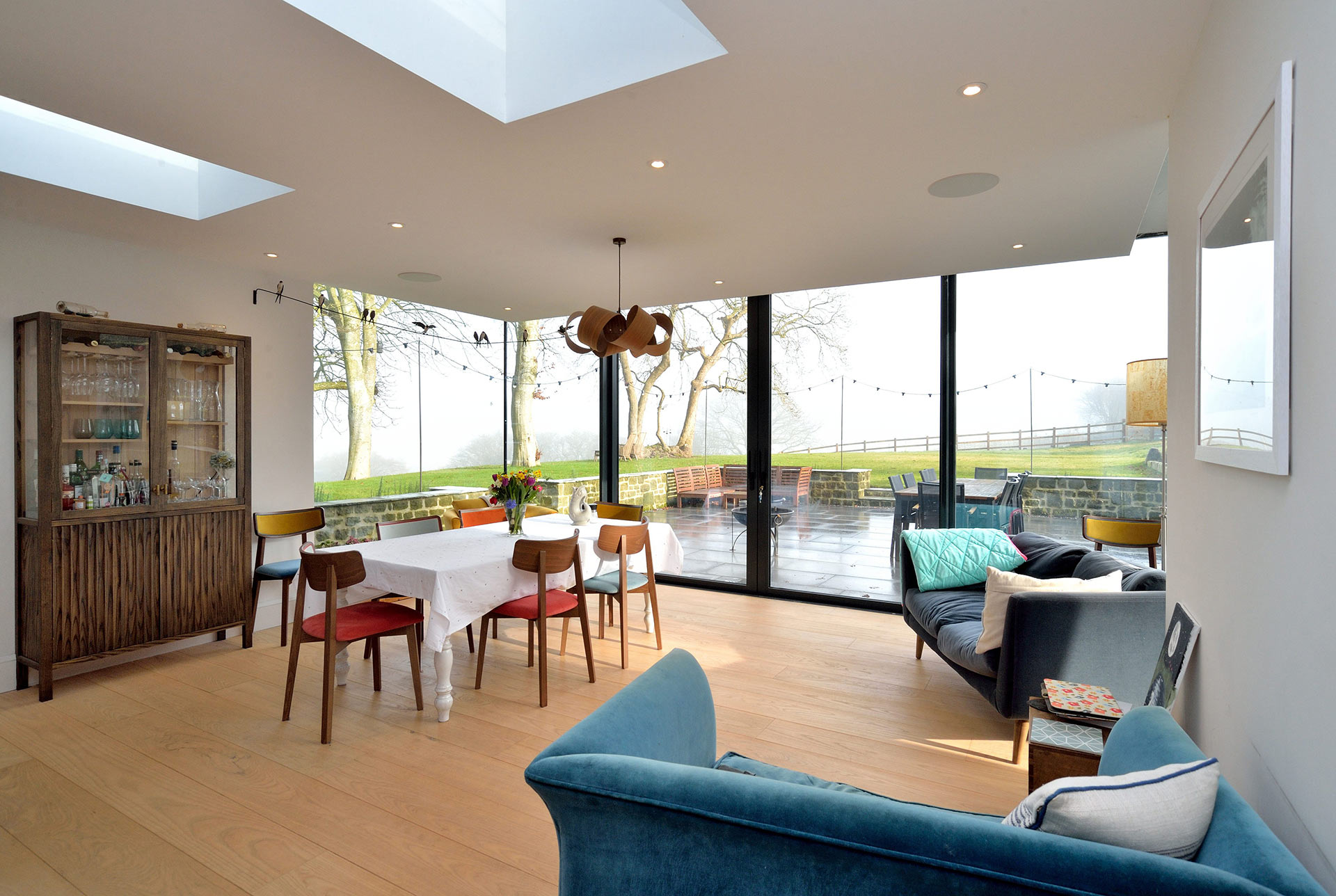
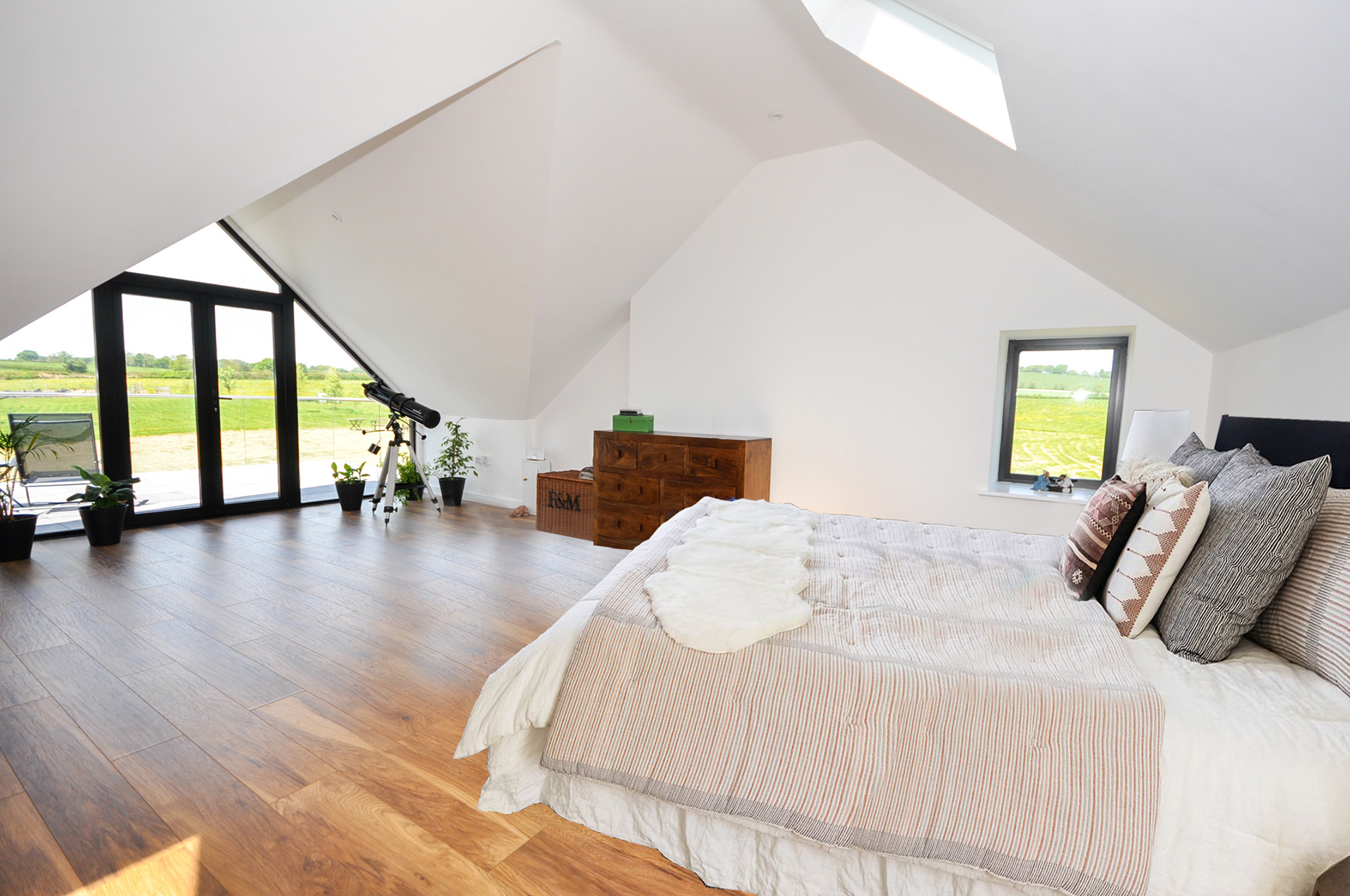
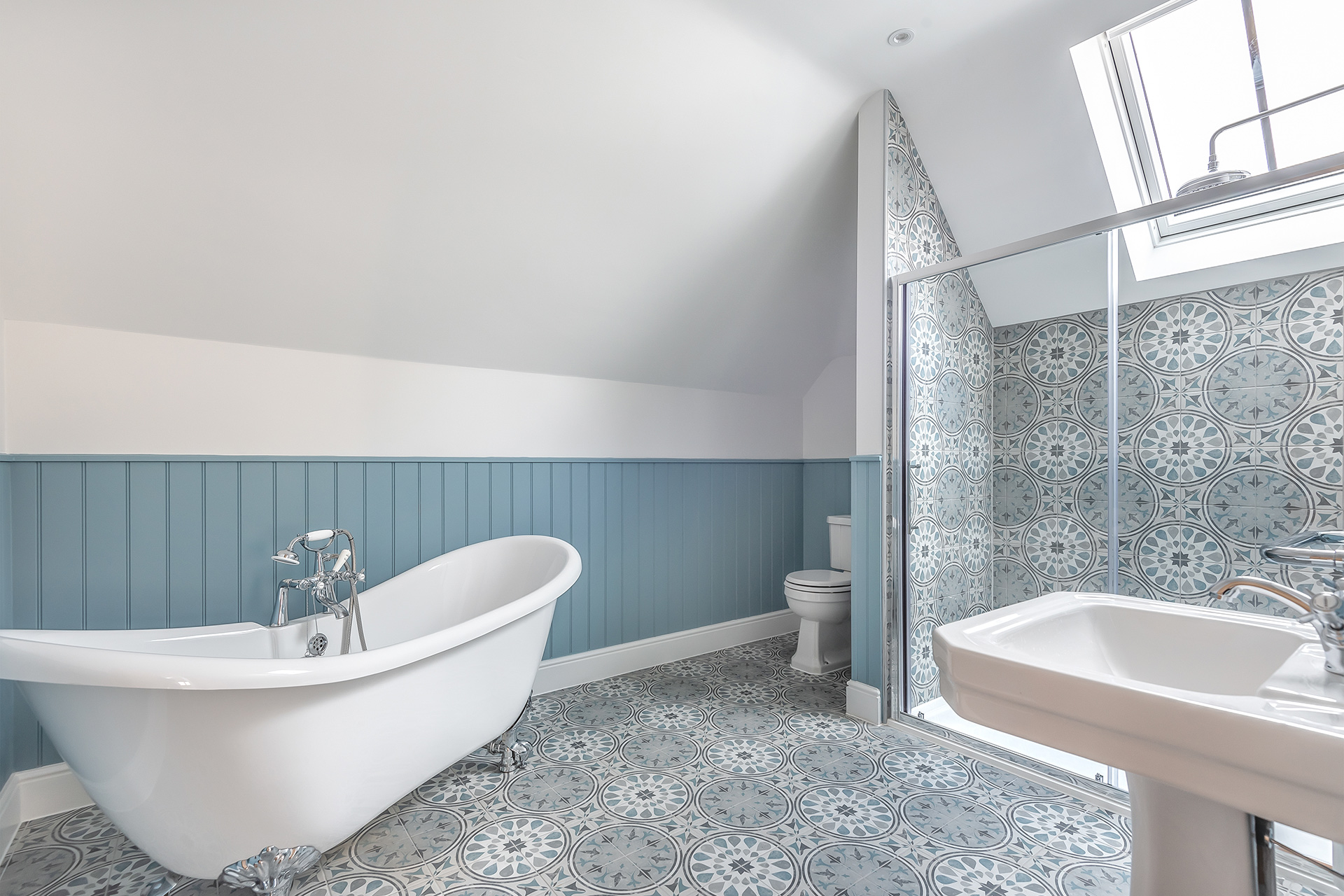
Many lofts can be converted without planning permission. The rules focus on how much new space you create, the position of any roof alterations and how the design affects the appearance of the home. Larger dormers may still be possible, but they need to stay within set volume limits. There are a few different types of loft conversions including; dormer conversion, mansard conversions and hip-to-gable conversions.
The following regulations apply to all loft conversions:
Street view:
Dormers can not be built on the front elevation of the house under permitted development. The only change at the front can be rooflights which can project up to 15cm from the roof surface.
Maximum height:
Loft conversions can not be higher than the highest point of the current roof.
Maximum volume:
The total increase in roof volume can not exceed 50 cubic metres for a detached or semi-detached house, or 40 cubic metres for a terrace. Dormers must be set back a minimum of 20cm from the eaves.
Access:
The loft staircase must have at least 2 metres head height clearance.
Appearance:
New windows in a wall or roof slope of a side elevation must be obscure-glaze and non-opening, unless the opening parts are at least 1.7m from the floor. Balconies or verandas are not permitted, but Juliet balconies that have no platform are allowed. New roof tiles and windows must match existing.
Outbuildings and Garden Rooms
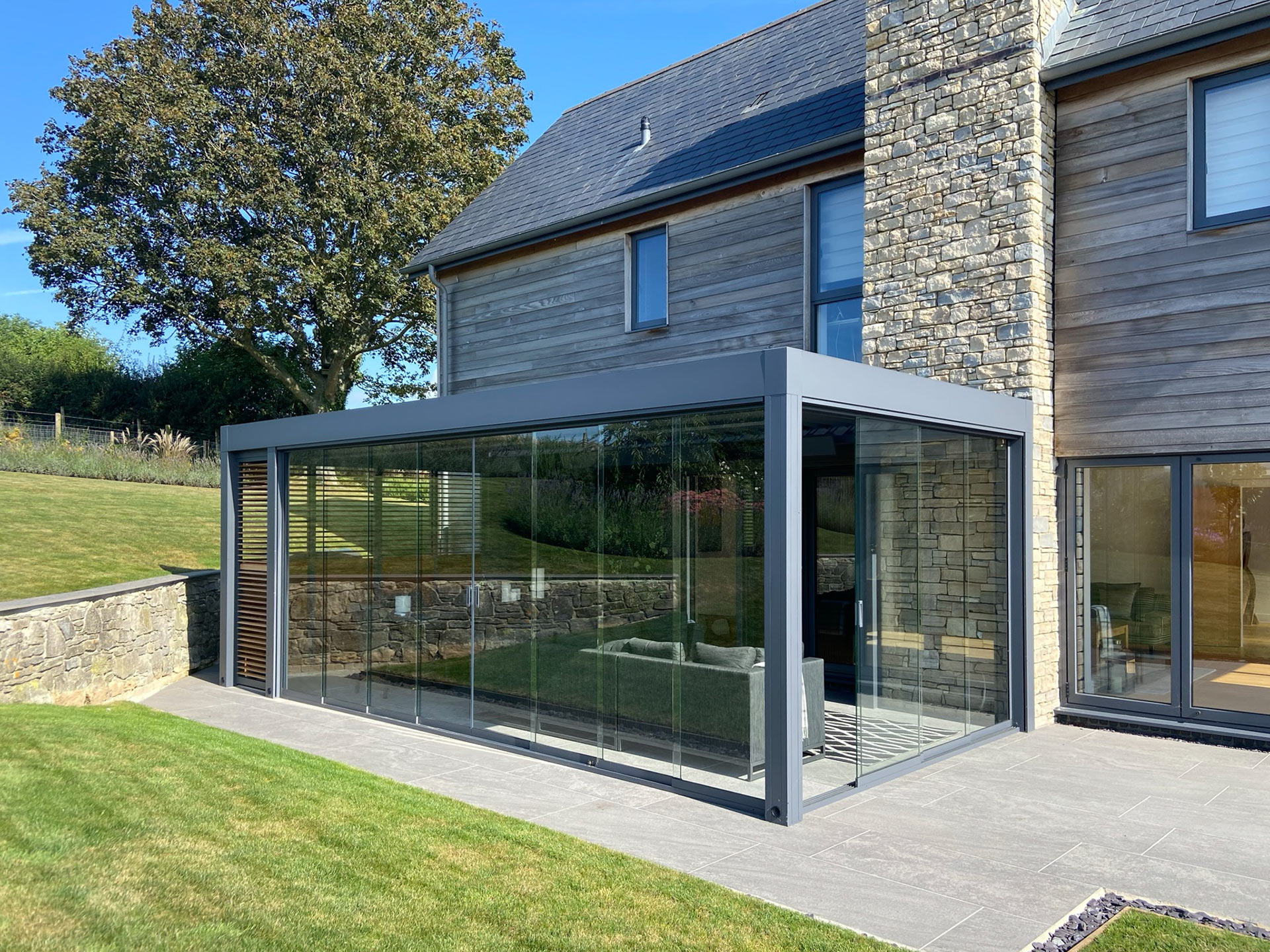
Garden rooms, which are classed as outbuildings, can sometimes be built under permitted development providing they meet the height and placement regulations. The rules for outbuildings cover structures that are within your property boundaries but not attached to your house, this includes garages, summer houses, and sheds.
Outbuildings cannot be built forward of the front elevation of your property.
Maximum height:
Garden rooms and outbuildings can be up to 4 metres high if they have a dual pitched roof, or up to 3 metres with other types of roof, eg a flat roof. Any part of the roof falling within 2 metres of your neighbours’ boundaries must be a maximum height of 2.5 metres.
Maximum area:
The outbuilding must not exceed more than half of the original footprint of your house when it was built, or on 1 July 1948 if it was built before then.
Features:
Decking around your outbuilding is fine, but you cannot build verandas or raised platforms above 0.3 metres in height.
Protected and “designated areas”:
In National Landscapes and National Parks the maximum area covered by all outbuildings that are more than 20 metres from the house is limited to 10 metres.
If you’re on designated land, any outbuildings to the side of your house will require a planning application.
Other Small Improvements
Some smaller changes, such as new rooflights, porches, windows or boundary treatments, may fall within permitted development depending on their scale and location.
When Permitted Development Does Not Apply
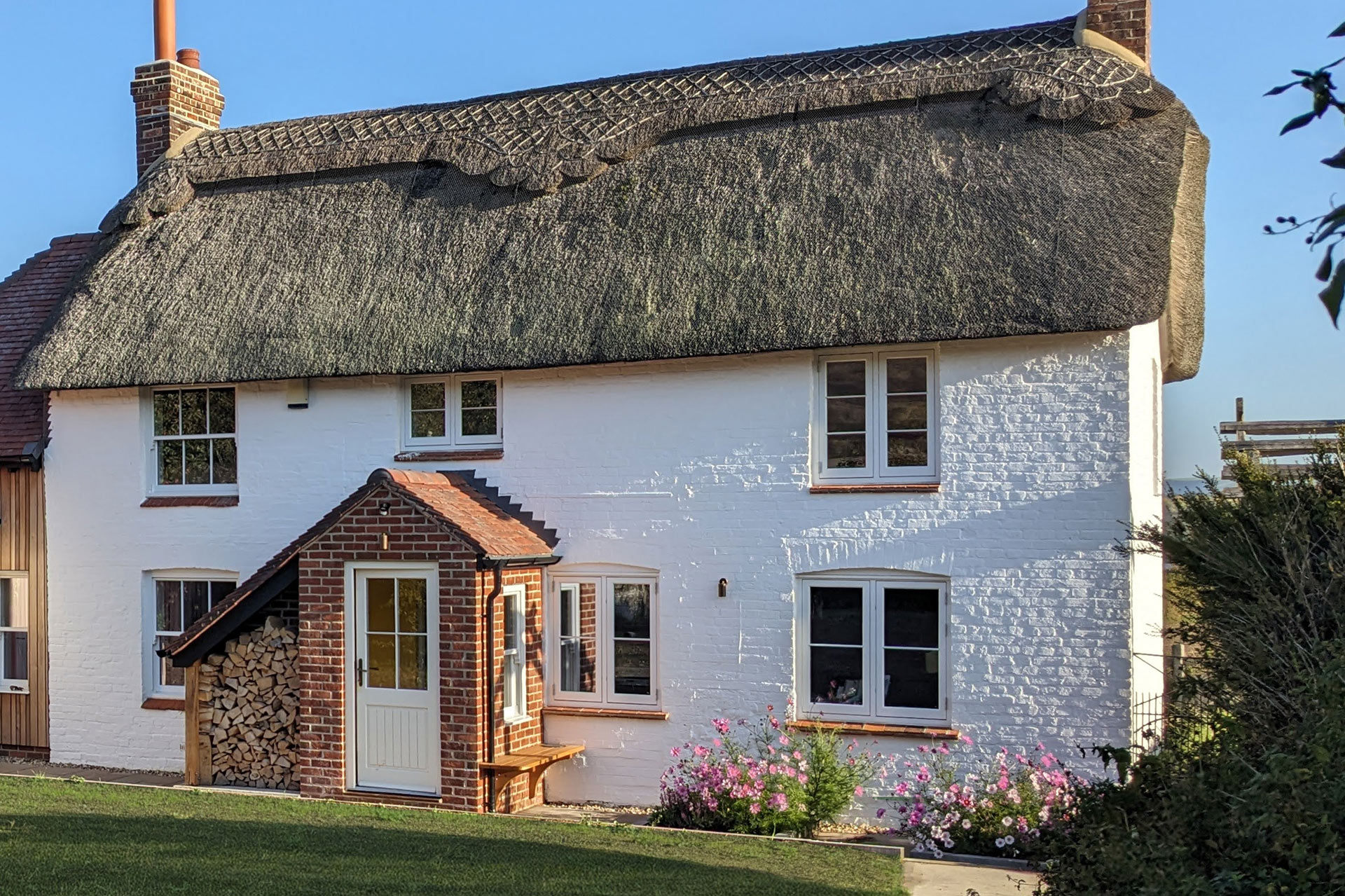
There are situations where permitted development rights are limited or removed completely. This is usually to protect the character or setting of sensitive ‘designated’ areas.
Your property may have restrictions if it is:
- in a Conservation Area
- within an Area of Outstanding Natural Beauty, now known as National Landscapes
- inside a National Park or on the Jurassic Coast
- listed or within the curtilage of a listed building
- subject to an Article 4 direction
Homes in historic town centres, coastal locations or rural villages across Dorset, Wiltshire and Hampshire often fall into one of these categories.
If you are unsure, your local council or your Architect can check the status of your property for you.
The Neighbour Consultation Scheme
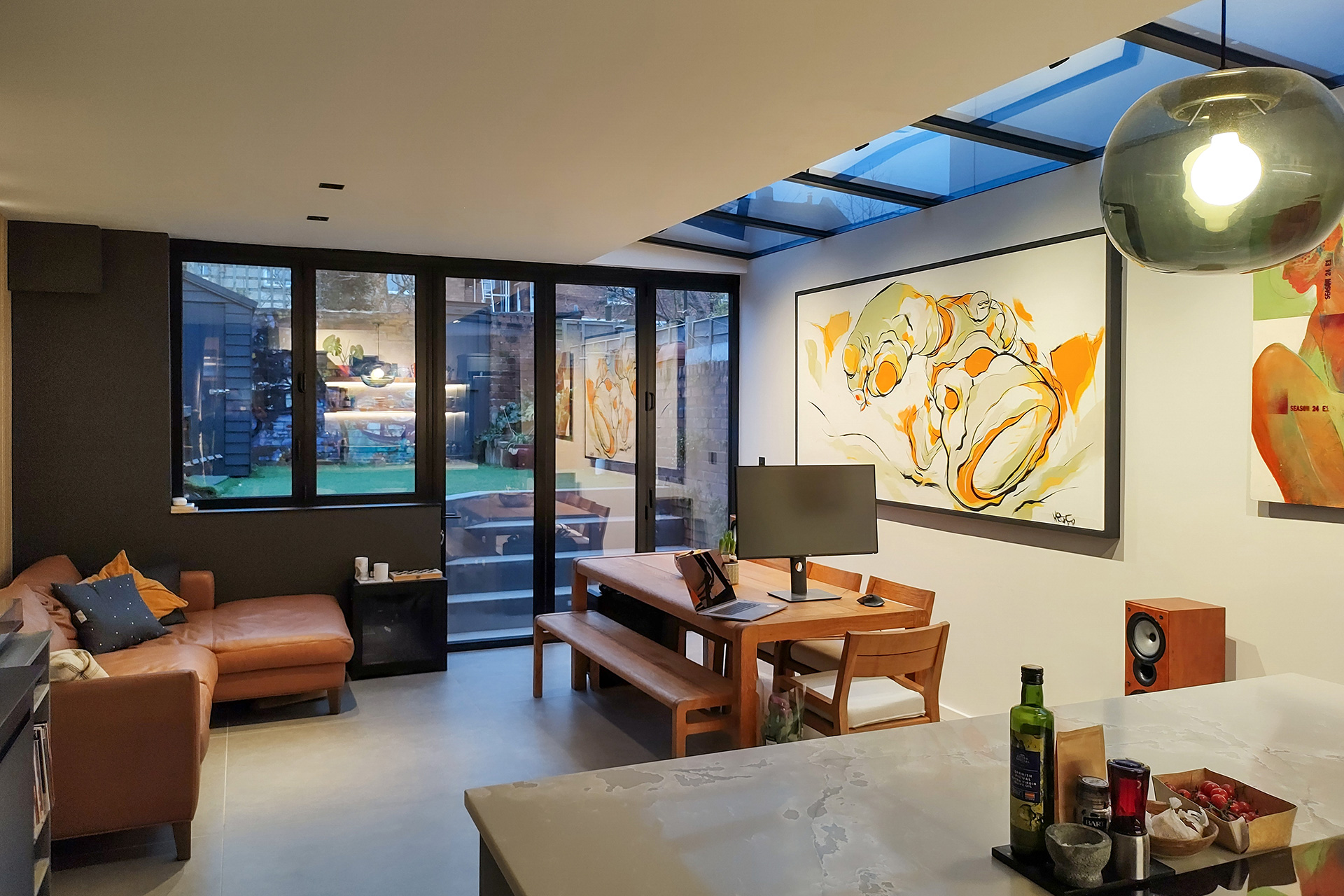
Some larger single storey extensions can still fall under permitted development, but they require a process known as the neighbour consultation scheme. Your local Planning Authority will notify neighbours and consider any comments before confirming whether the extension can proceed.
There are clear size limits and timeframes, so it is important to understand these rules before starting work.
 Permitted Development Still Requires Technical Approval
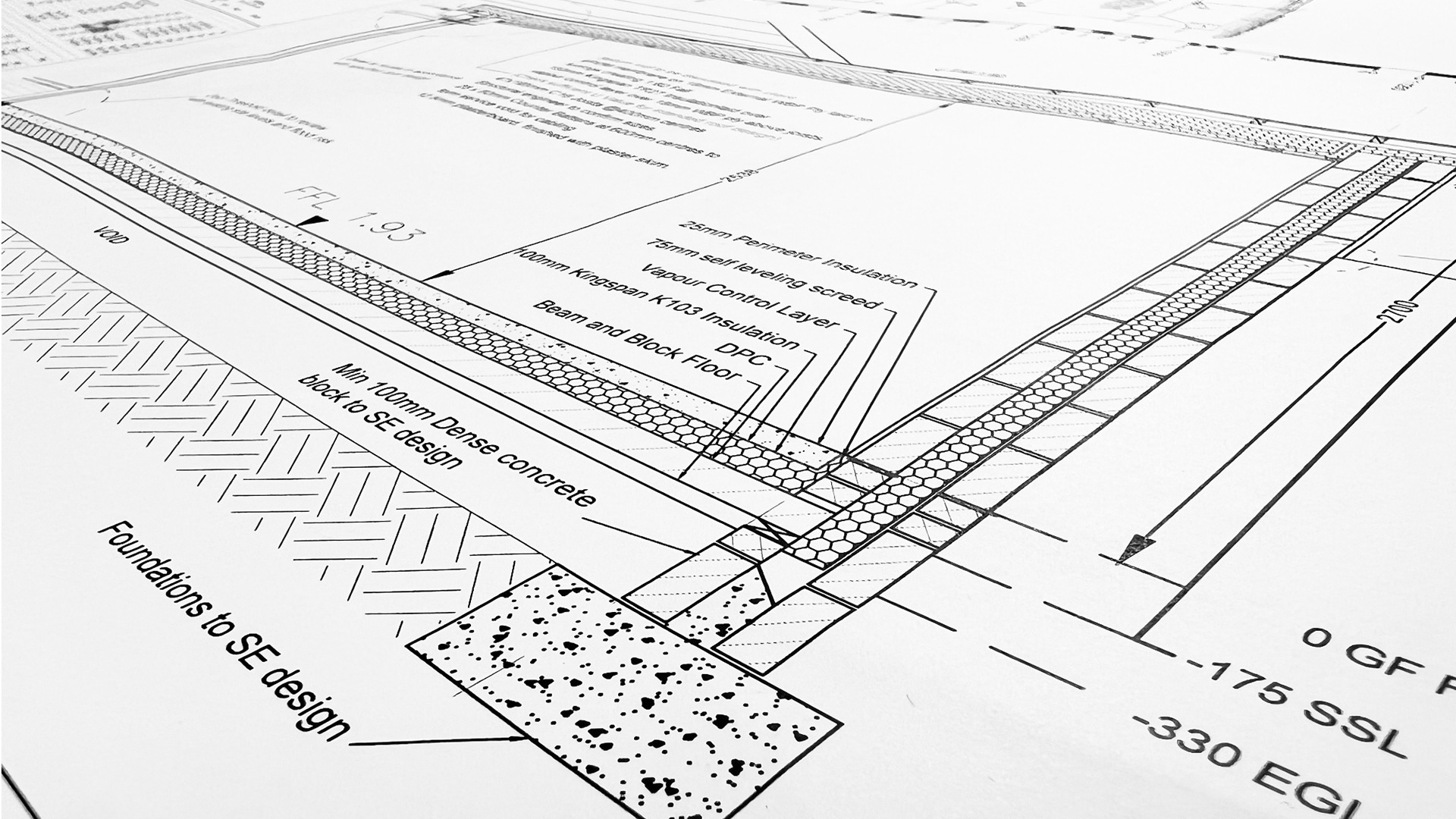
Even when planning permission is not needed, the work must still comply with Building Regulations. These rules cover structure, insulation, drainage, fire safety and energy performance.
If your home is listed, you will also need Listed Building Consent, even for small changes that fall within permitted development limits.
Skipping these approvals can create problems later, so it is important to follow the correct steps.
Why Many Homeowners Use an Architect for Permitted Development
While the idea of permitted development sounds simple, the small print can be more complicated than expected. A change in height, depth or roof shape can be enough to move a project outside the rules.
This is where an Architect can help by:
- checking whether your home has any restrictions
- confirming whether your idea qualifies
- designing the best version of your proposal within the limits
- preparing drawings for Building Regulations
- guiding you through the neighbour consultation scheme
- helping you avoid mistakes that delay or complicate the build
Permitted development can offer a lot of flexibility, but the rules are very specific. Working with an Architect helps you get the most from the space you have, while keeping your project compliant and running smoothly.
Note: All information correct at time of publishing: April 2026
Planning an Extension or Alteration?
If you are thinking about extending or altering your home in Dorset, Wiltshire, Hampshire or the wider South West, our team can help you understand your permitted development options and shape your ideas into a well designed, fully compliant project.
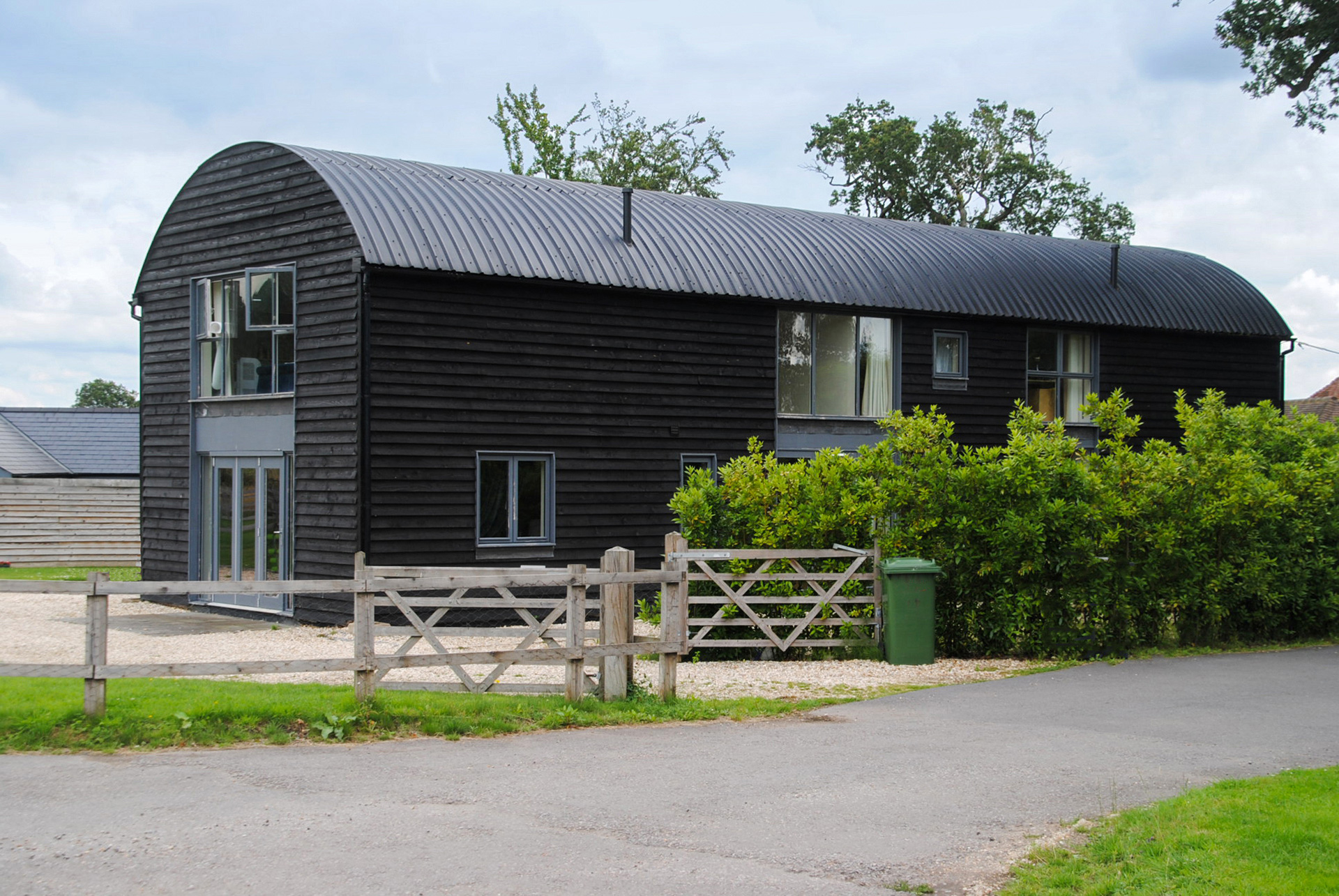
Find out more about Permitted Development for Agricultural Buildings.
PD does not only apply for homes, you can also convert disused barns into new homes…
Published 20 April 2026