Navigating Complexity to Secure Three Class Q Approvals Near Shaftesbury
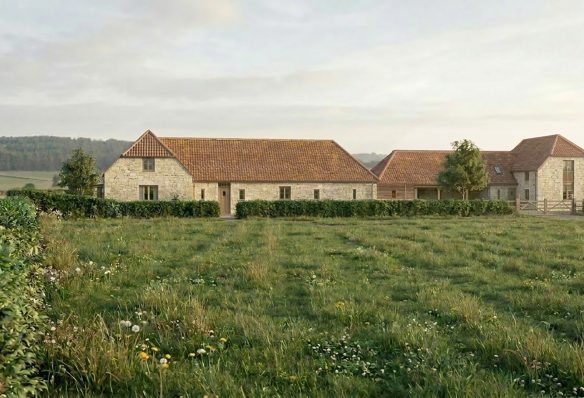
We are pleased to share that WDA has successfully secured Class Q Prior Approval for the conversion of two existing barns into three new homes at Duncliffe Hall Farm, a small farm near Stour Row, Shaftesbury, Dorset.
These are fantastic approvals, requiring multiple applications, refusals, resubmissions and an appeal, that challenged the Local Authorities decision on what substitutes Class Q Prior Approval, particularly relating to the large steel framed barn.
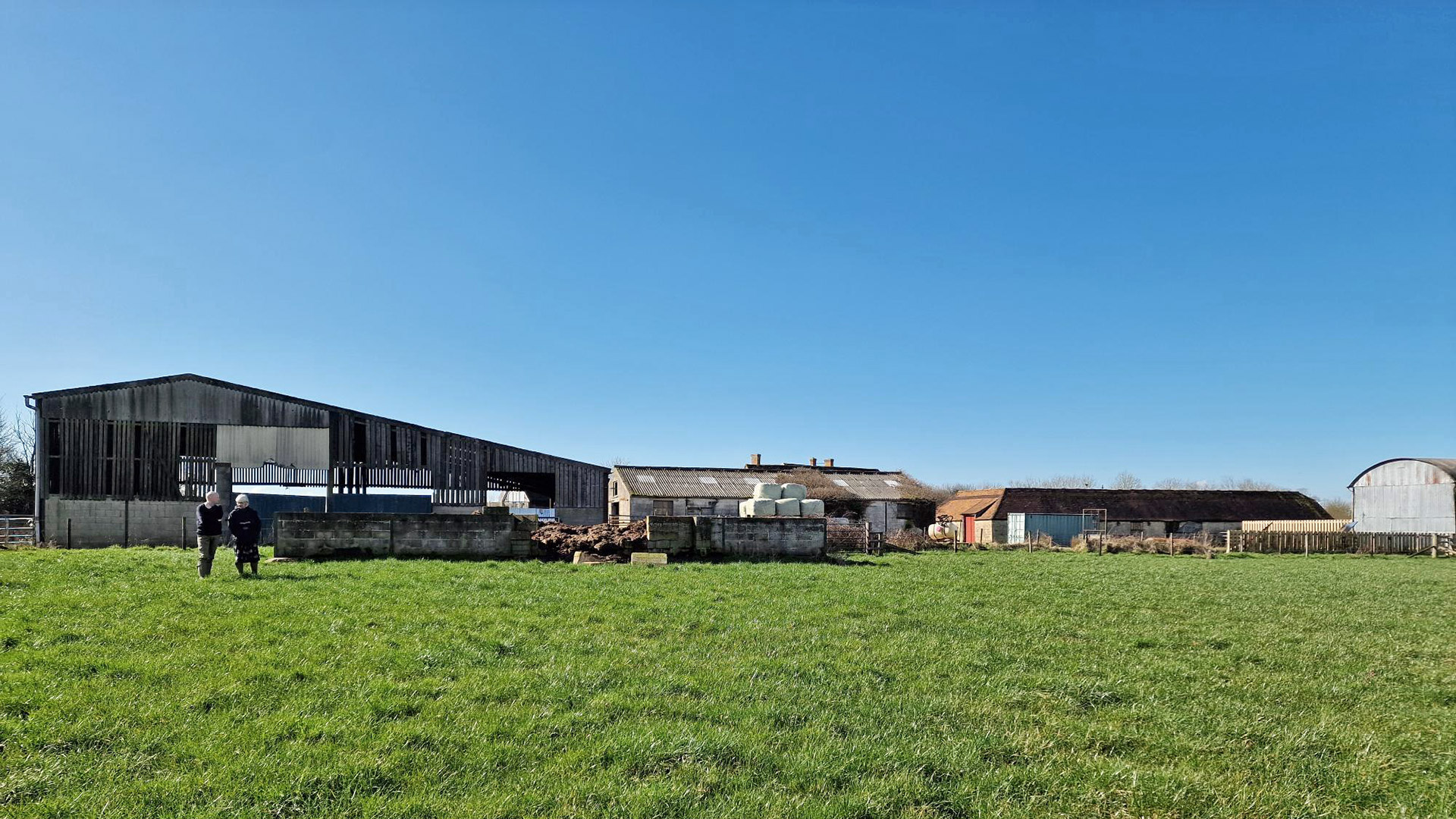
Two separate applications were submitted for the conversion of two barns to residential accommodation under Class Q permitted development rights. Both applications were initially refused by the Local Authority, as they failed to recognise the older regulations remained in force during the transition period to the new Class Q policies adopted in 2024.
The applications were subsequently resubmitted. Prior Approval was granted for the conversion of the smaller barn, with access taken through the existing farmyard. However, the application for the conversion of the larger barn was refused.
New Access. Prior to the submission of the subsequent Class Q applications, a separate application was made for the extension of the existing farm track from the current access to provide a new access to the existing farmyard. This application was approved.
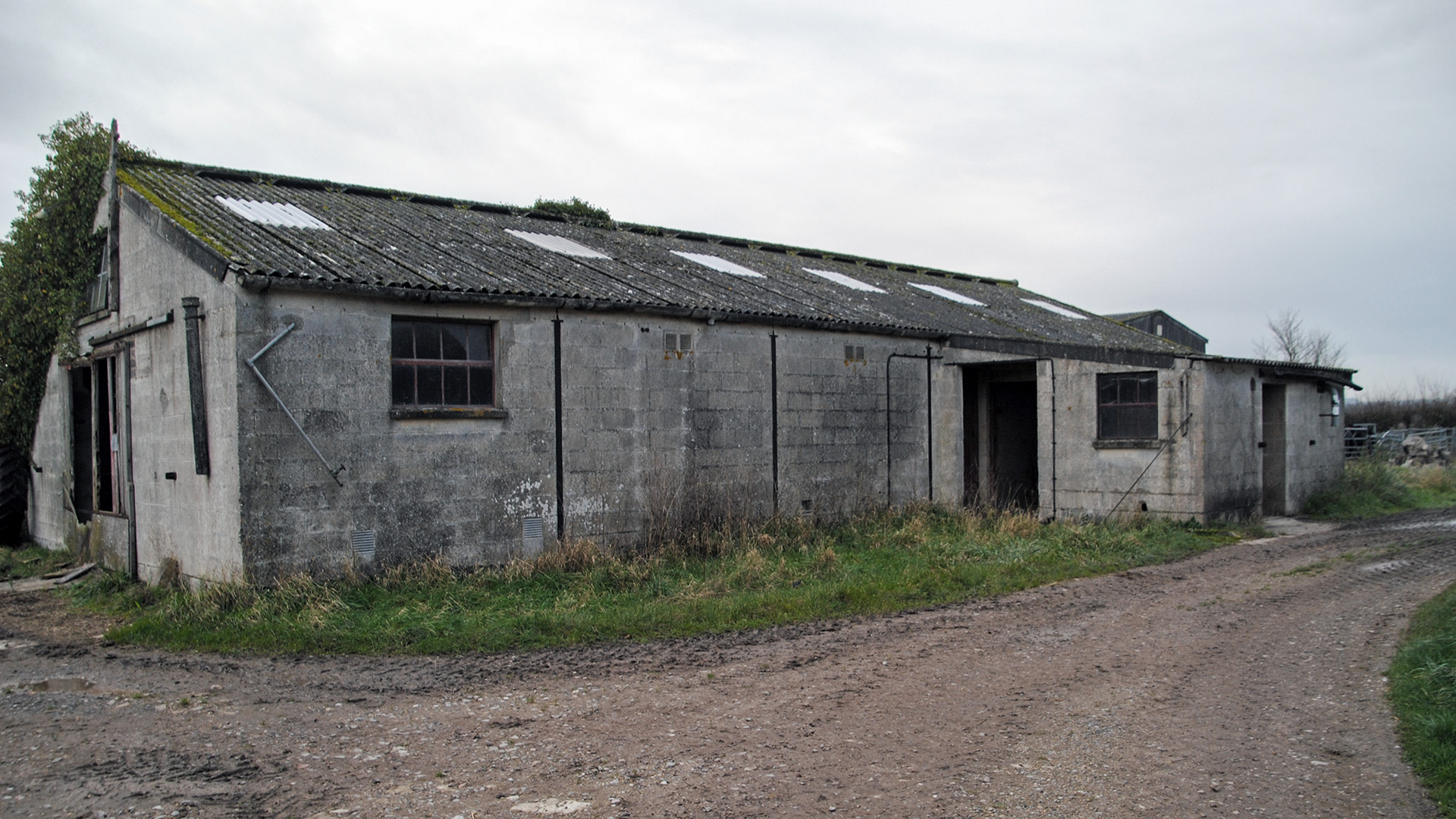
The Small Barn
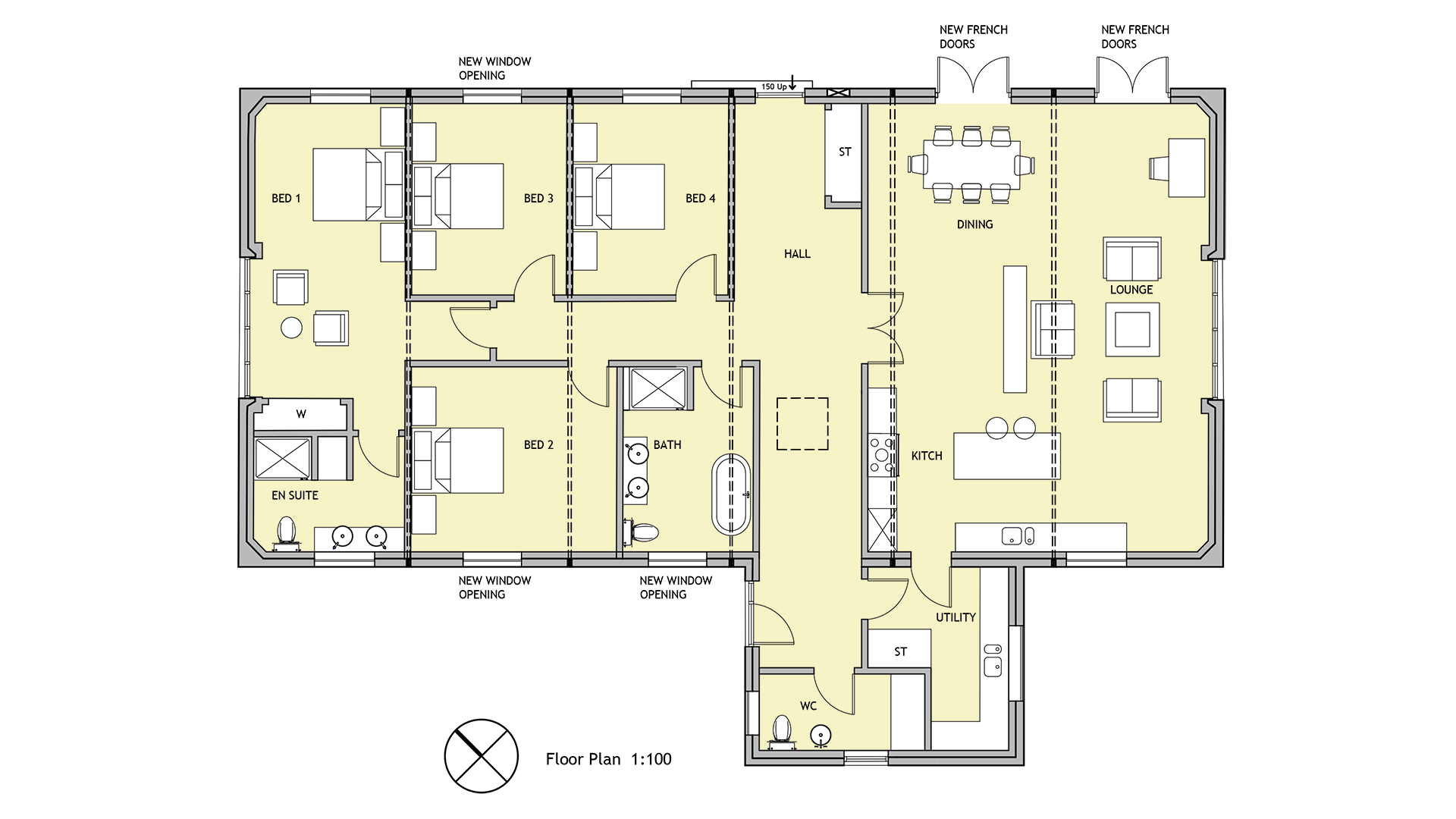
A third application was subsequently submitted for the conversion of the smaller barn, with access taken via the newly approved track. This application was approved and will provide a spacious 4 bedroom rural home with an open plan kitchen diner living space.
The Large Barn
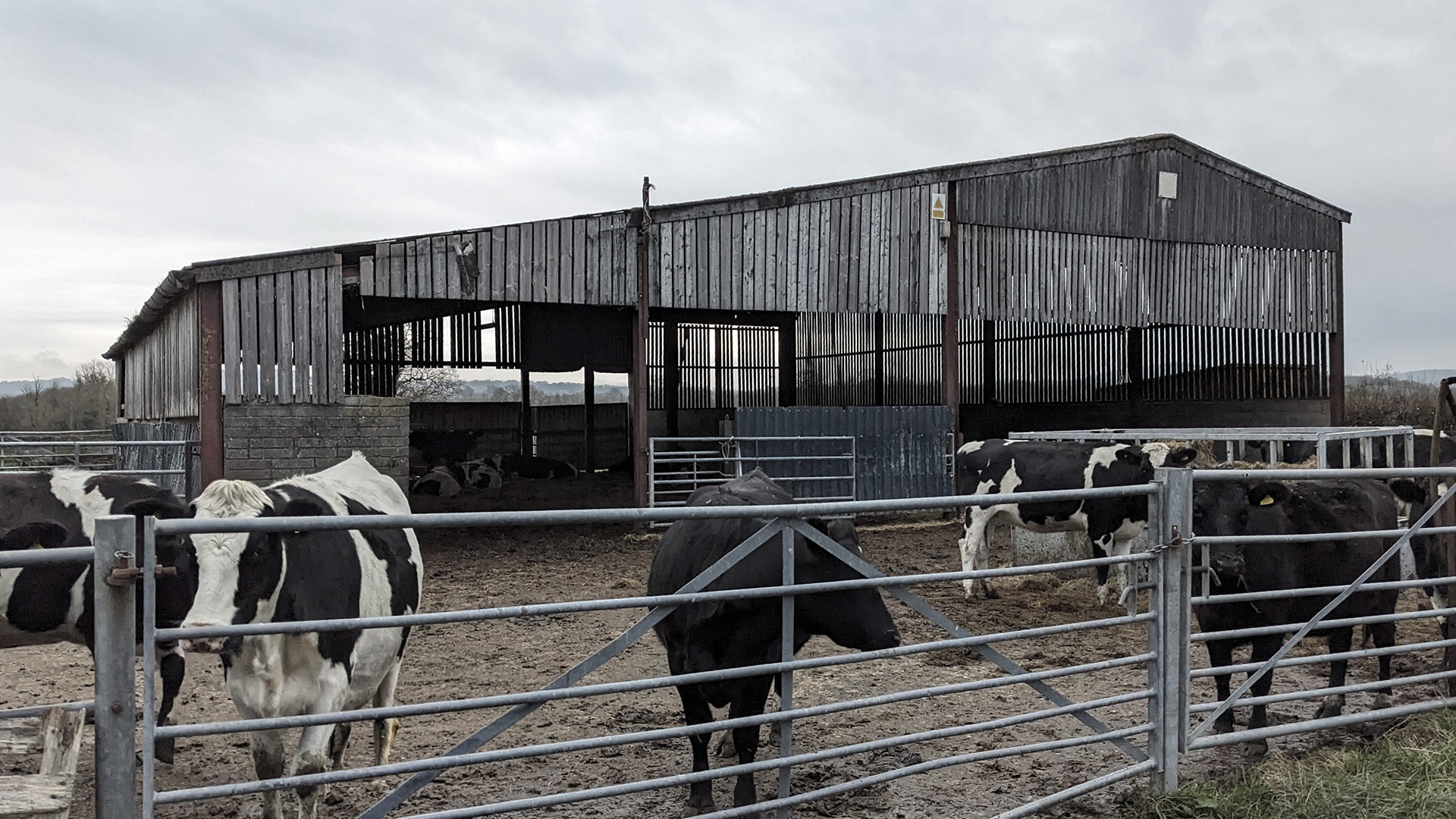
The second application sought to create a single dwelling within part of the larger barn.
The Local Authority refused the application on the grounds that the proposal was not permitted development, stating that the extent of the building operations and demolition works went beyond what was reasonably necessary for the building to function as a dwellinghouse.
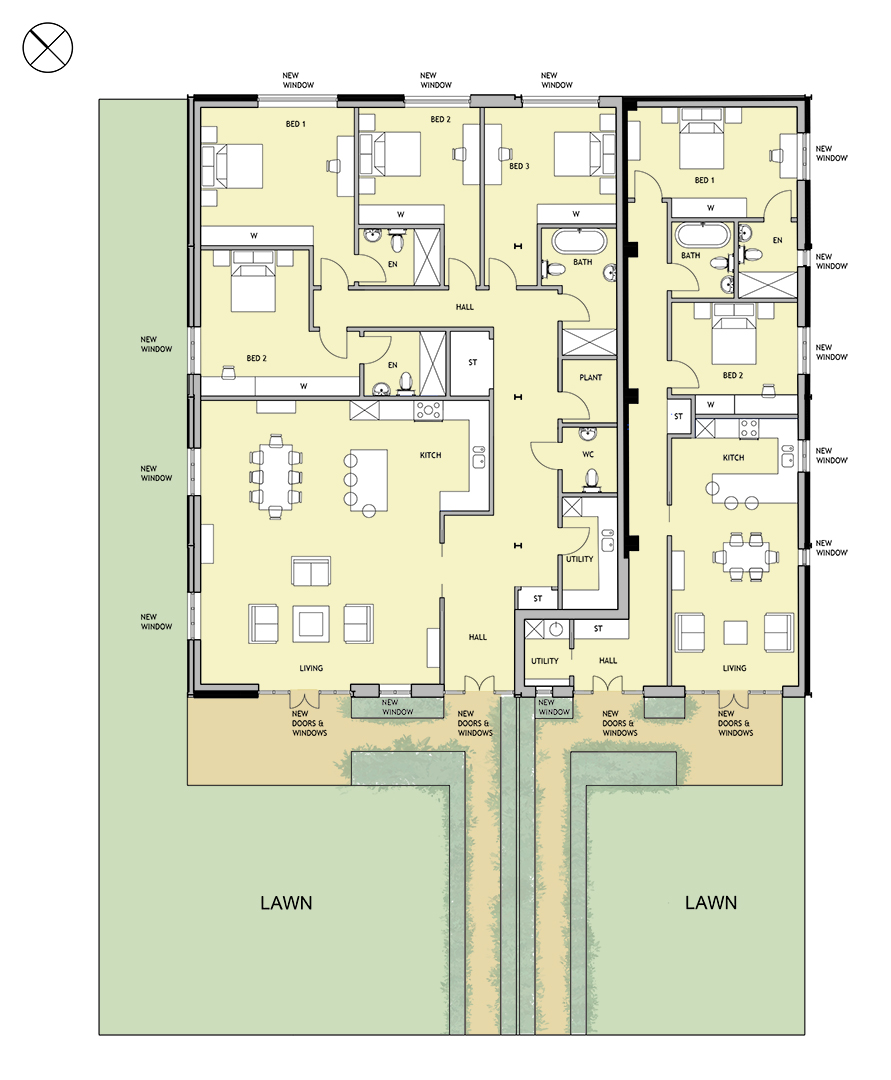
Having previously obtained Class Q approvals for similar steel-framed barns, it was considered that the Local Authority’s interpretation of Class Q was incorrect. Consequently, a third application was submitted. This revised proposal sought to subdivide the barn into two dwellings, with access provided via the newly constructed farm track.
This application was also refused. The reason for refusal stated that the development under Class Q(b) was not permitted development, as the building operations were considered to be beyond what was reasonably necessary for the building to function as dwellinghouses.
Working with planning consultants, Chapman Lily Planning Ltd, an appeal was subsequently submitted and approved.
Appeal Success – The Class Q Application was Allowed by the Planning Inspectorate, who advised:
Class Q.1(j)(i) (aa) allows for the installation or replacement of windows, doors, roofs, exterior walls, water, drainage, electricity, gas or other services to the extent reasonably necessary for the building to function as a dwelling house. It also allows for the partial demolition to the extent reasonably necessary to carry out these building operations. To my mind the vast majority of the works reasonably necessary for the building to function as a dwellinghouse are covered under these items, including additions to, and changes to the walls and roof.
Whilst some relatively considerable works to the building are proposed, particularly with regard to additional cladding, and I note that parts of the existing boarding and roof sheeting are in need of repair, these are all permitted under the GPDO. Furthermore, due to the retention of much of the existing building, the appeal building would be capable of conversion to residential use and the proposed building operations would not amount to the complete or substantial re-building of the pre-existing structure, as was found to be the case within Hibbitt.
With regard to the above, I do not therefore see sufficient similarities with Hibbitt v. SSCLG [2016] EWHC 2853 (Admin), particularly in relation to the distinction between conversion and rebuild and given that the appeal building is not open on three sides. I am also cognisant of the fact that where one becomes the other is a matter of planning judgement based on the specifics of the case.
This appeal decision should hopefully help Local Authorities determine what is considered acceptable, under Class Q and with special regard to the conversion of steel framed barns.
Planning Consultants Chapman Lily Planning Ltd
Ecology ABR Ecology
Structural Engineer Thorpe Engineering Consultants Ltd
Flood Risk Engineer Godsell Arnold Partnership Ltd
Published 19 February 2026