Can I make alterations to a listed property?

“Can I get into trouble by making improvements to my Listed Property?”
Director and Conservation Architect, Phil Easton deliberates.
I discussed in a previous Ask the Architect article on listed buildings, that it is a criminal offence to demolish all or part of a listed building, or to remove or damage historic fabric, without Listed Building Consent.
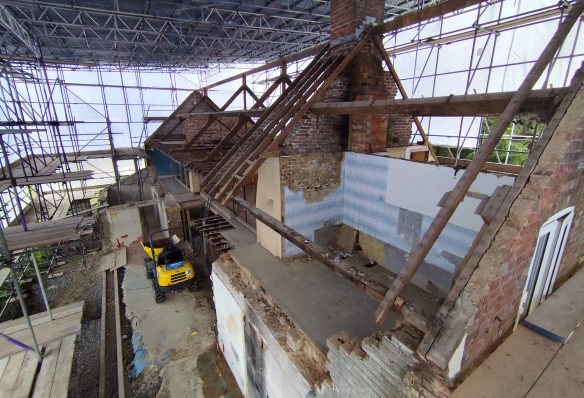
This is not a theoretical risk. In October 2018, a property owner was fined £82,000 for making unauthorised alterations to a Grade II listed building, including the removal of original fireplaces, walls, floors and structural beams.
What this highlights is that the seriousness of an offence is not judged by intention. It does not matter whether works are believed to be minor, necessary for safety, or carried out with the aim of protecting the building. If changes affect the character of a listed property and are undertaken without consent, the legal consequences can be significant.
This is often where homeowners are caught out. Improvements that would be considered routine elsewhere, such as repairs, structural alterations or changes to internal layouts, can fall within the scope of Listed Building Consent when a property is listed. Acting without advice, even in urgent situations, can expose owners to enforcement action or prosecution.
For this reason, alterations to a listed property should never be approached on the assumption that consent will follow. Early professional advice is essential to understand whether works are lawful, how they should be handled, and which routes are most appropriate before any changes are made.
What counts as unauthorised work on a listed building?
One of the biggest problems for owners of listed buildings is assuming that only major changes require consent. In reality, Listed Building Consent is needed for any works that affect the character of the building, whether those changes are structural, cosmetic, internal or external.
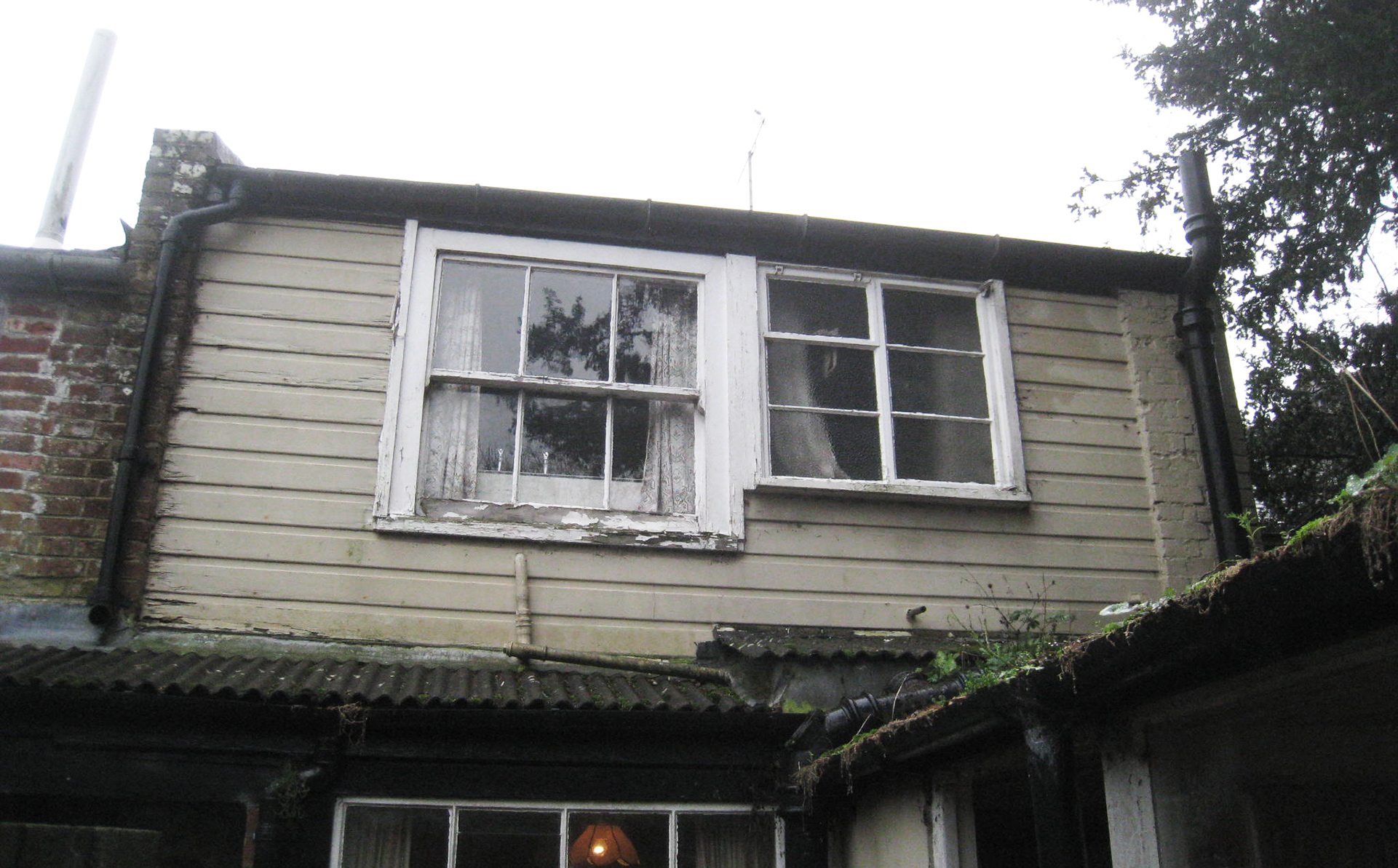
This can include removing fireplaces, altering floor structures, replacing windows or doors, changing roof materials, removing historic beams, or altering internal layouts. Even works carried out with good intentions, such as stabilising a failing structure or improving security, can still be classed as unauthorised if consent has not been obtained in advance.
Importantly, it does not matter whether the work is visible from the outside. Internal alterations are treated just as seriously, particularly where they involve original fabric or features that contribute to the building’s significance. The condition of the building is also not a defence. Emergency works may be justified in very limited circumstances, but this should always be discussed with the local authority before action is taken.
What often catches homeowners out is that judgement is applied retrospectively. If works are carried out without consent, Conservation Officers assess what has been lost or altered, not what the owner intended to achieve. At that point, even well-meaning improvements can result in enforcement action by serving a Listed Building Enforcement Notice or prosecution. Enforcement Notices can be issued many years after unauthorised works were carried out and can be served on the current owner, even if the works were carried out by a previous owner.
Your responsibilities as a listed building owner
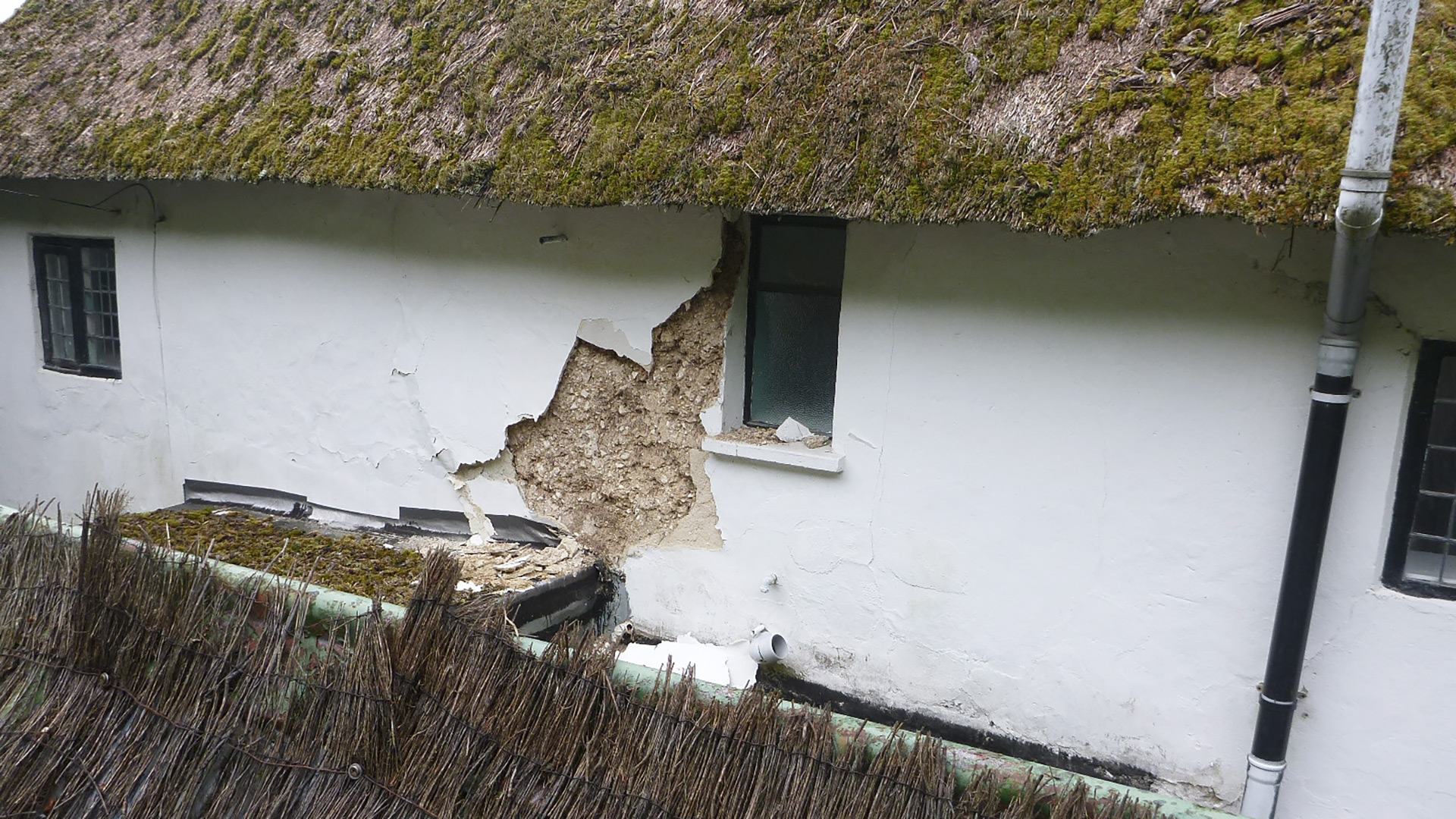
Owning a listed building brings legal responsibilities as well as opportunity. Unlike standard properties, owners have a statutory duty to maintain and repair a listed building so that it does not fall into disrepair.
In practice, we often see purchasers acquire listed properties that are already in poor condition without fully understanding what that duty involves. Where a building deteriorates significantly, local authorities have the power to intervene and may issue Repair Notices requiring specific works to be carried out. These powers exist to protect historic fabric and prevent irreversible loss, rather than to penalise owners unnecessarily.
It is also important to understand that unauthorised works are treated seriously. Removing, altering or damaging historic fabric without Listed Building Consent is a criminal offence, whether the work is internal or external, minor or well intentioned. This includes situations where owners believe urgent action is needed to stabilise or secure a building.
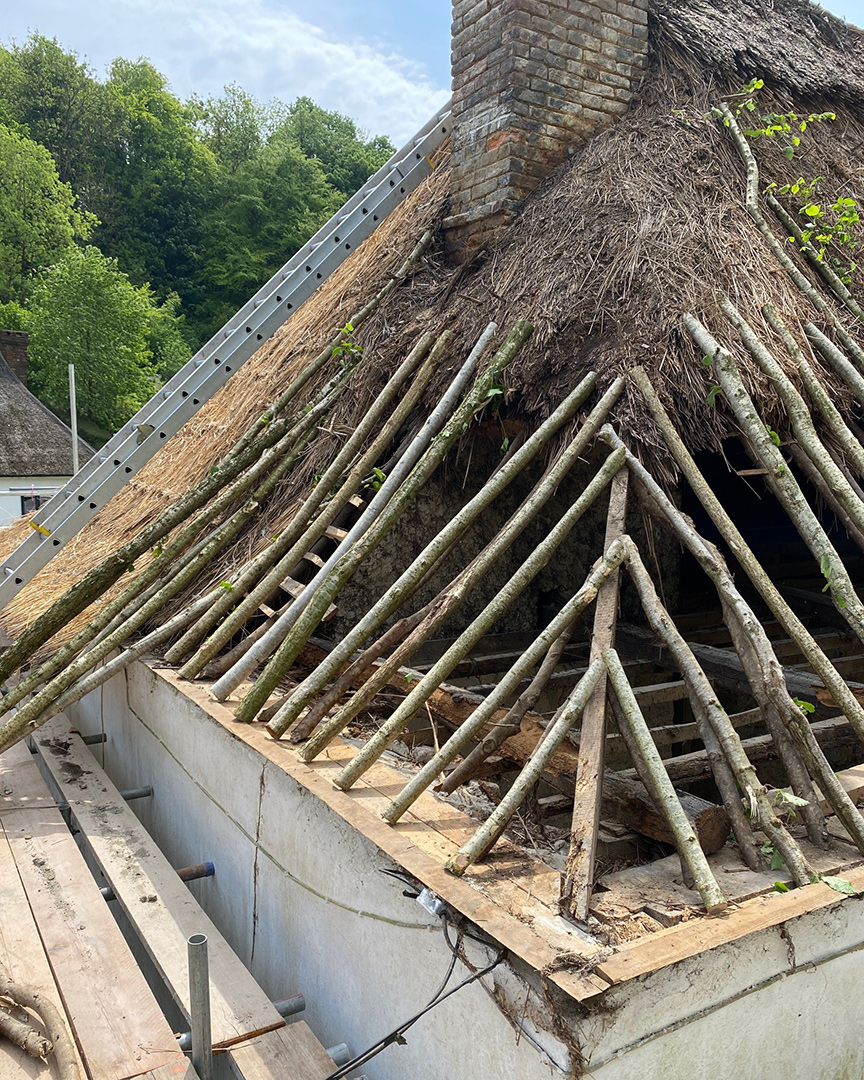
Where elements of a listed building are failing, such as structural timbers, floors, doors or windows, repair is generally preferred to replacement. Decisions around repair, replacement or upgrade often require careful judgement, balancing the building’s significance with its long-term condition and continued use. Where replacement is unavoidable, it is typically expected that materials and detailing respect the building’s character, while allowing modern interventions to remain clearly identifiable.
Approached early and properly, these responsibilities do not need to feel restrictive. With the right advice, they can form the basis of a clear, compliant strategy that protects the building while allowing it to be repaired, adapted and enjoyed with confidence.
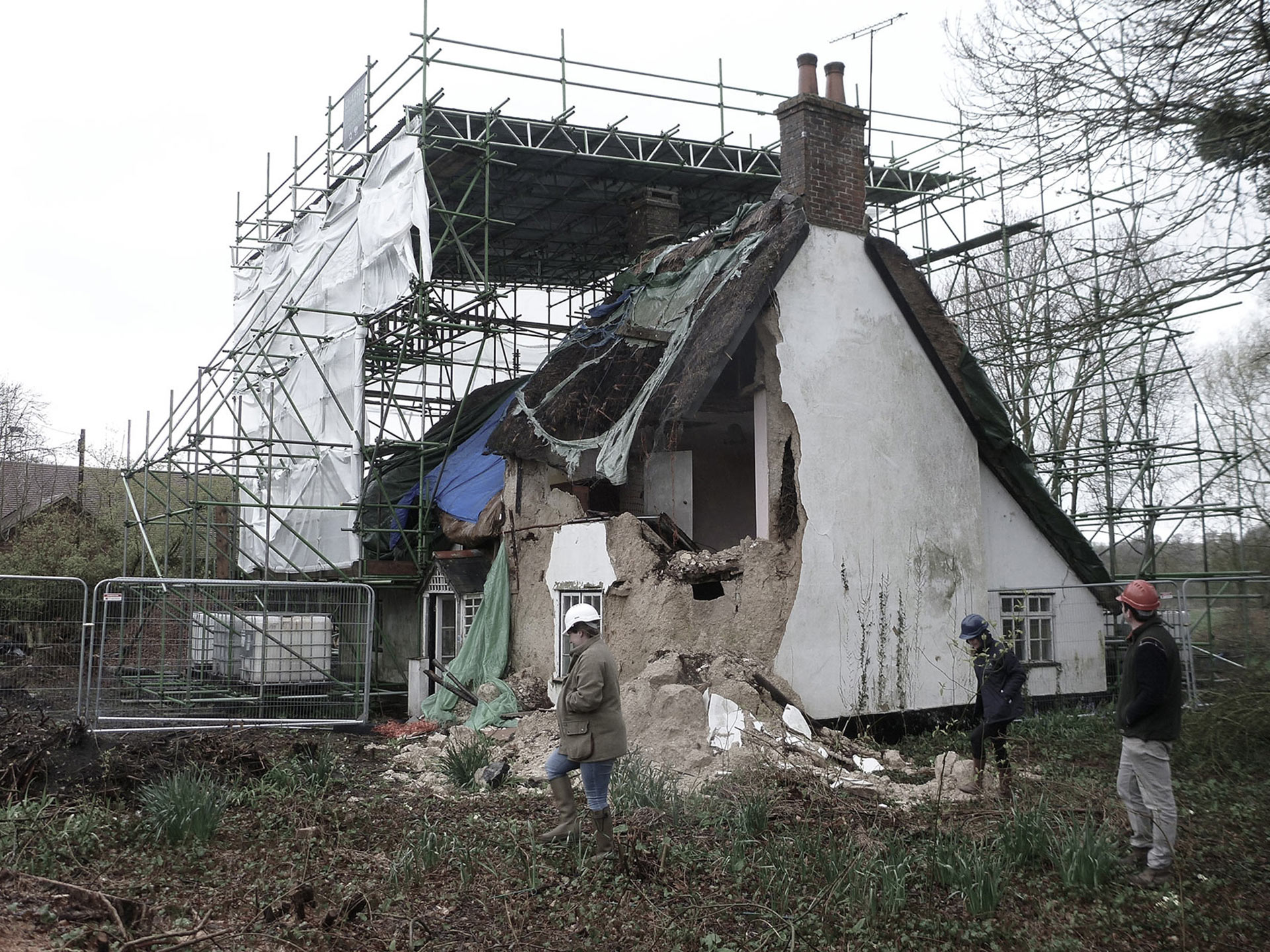
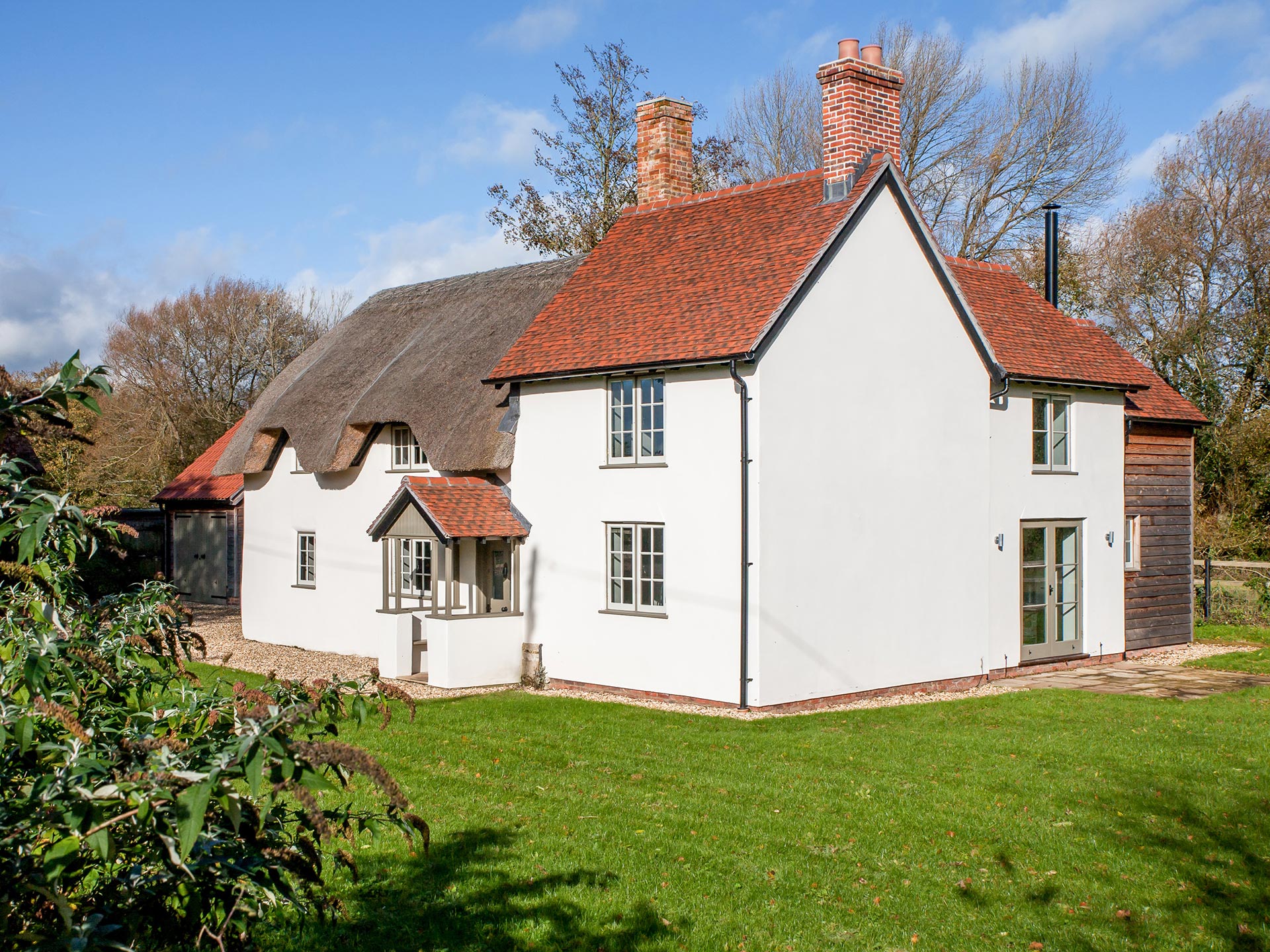
Expert Advice
If you are considering alterations to a listed property and would like clarity on what requires consent, early advice can make a significant difference. Our experience includes liaising with conservation officers, structural engineers and in some cases, insurance companies.
Our conservation team regularly supports homeowners through listed building alterations, from initial advice through to formal applications, helping projects move forward with confidence and compliance. Our experience includes liaising with conservation officers, structural engineers and in some cases, insurance companies.

Get in touch
Use our contact form to get in contact with our knowledgeable team or simply give us a call.
Published 24 June 2026