How Can I Develop My Plot of Land?
“I’ve recently purchased a house on a large plot of land. What are my options for development?”

Architect Tom Nock is often asked this question by homeowners looking to understand what may be possible and how best to approach development.
While every site is different, there are common considerations that help clarify which options are realistic, how planning policy is likely to apply and where early professional advice can make a meaningful difference.
Understanding the Context of the Site
The starting point for any development conversation is the location of the plot and how it sits within its wider planning context. A site within a village or town is assessed very differently from one in rural countryside, even where the amount of land involved appears similar.
Local planning authorities set out their approach to development through a Local Plan, which establishes settlement boundaries and guides what may be supported inside or outside them. Additional considerations apply where a property falls within a Conservation Area, National Landscape (formerly AONB), National Park or other designated landscape, particularly in relation to scale, form and impact on character.
Location alone does not determine what is possible, but it strongly influences the direction of early design thinking. Plots of a comparable size can lead to very different outcomes depending on access arrangements, surrounding development and how the site relates to its neighbours.
Clarifying What You Want to Achieve from the Site
Development potential is influenced as much by intent as it is by policy or physical constraints. This is also the point where expectations and planning reality often begin to diverge.
Many homeowners start with a clear idea of what they would like to do. Practical needs such as working from home, improving how the house supports day-to-day life or strengthening long-term value are often central to these discussions. What is frequently underestimated is how quickly planning constraints, access considerations and site context can narrow those options once they are examined in detail.
Establishing priorities early creates a stronger foundation for decision-making. It allows potential routes to be tested realistically and helps identify where professional input can add the greatest value before time or cost is committed.
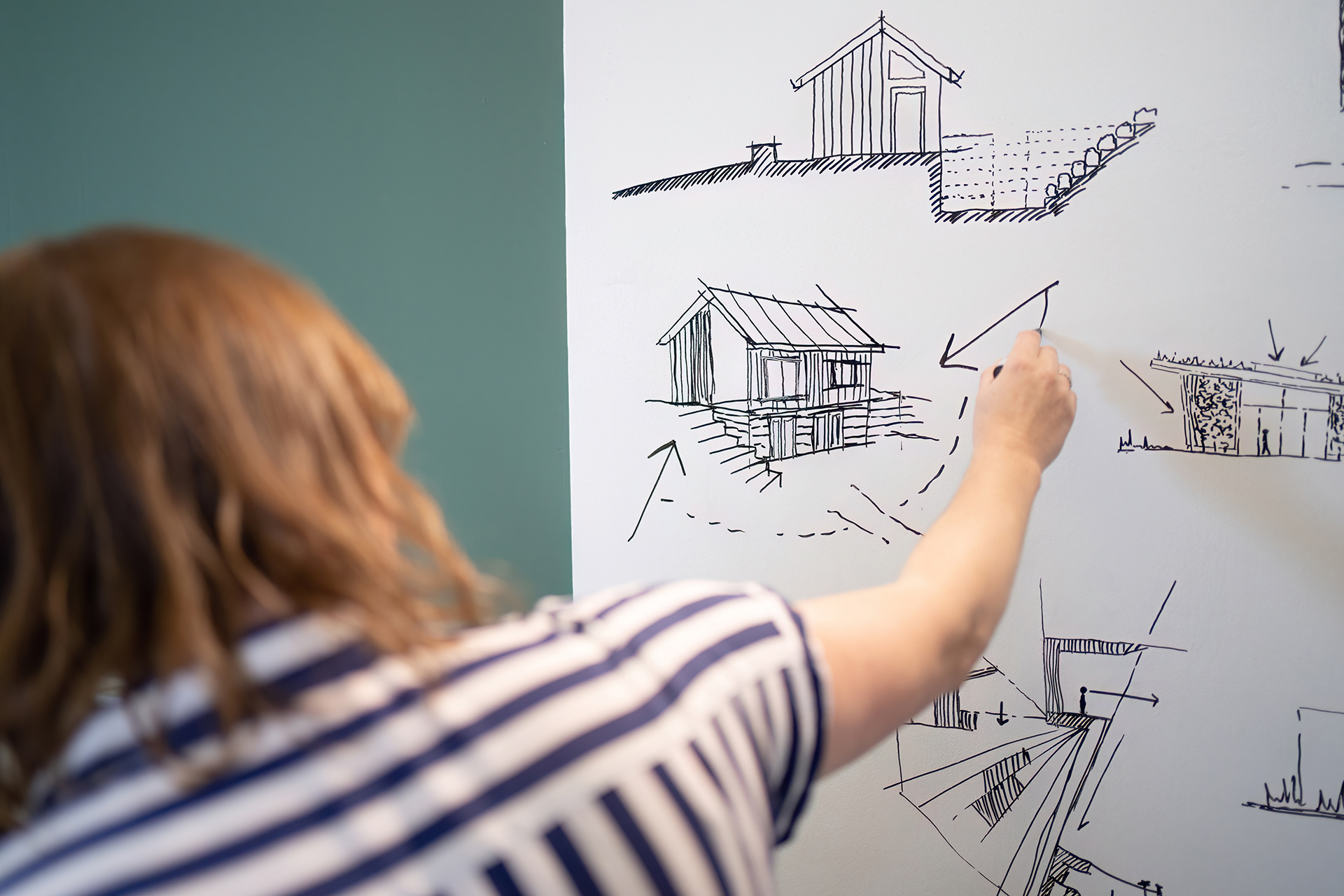
Improving the Existing House
For many homeowners, the most straightforward way to make better use of a larger plot is to improve the existing house rather than start again. This is often the first option explored, particularly where the existing building already sits comfortably within its setting.
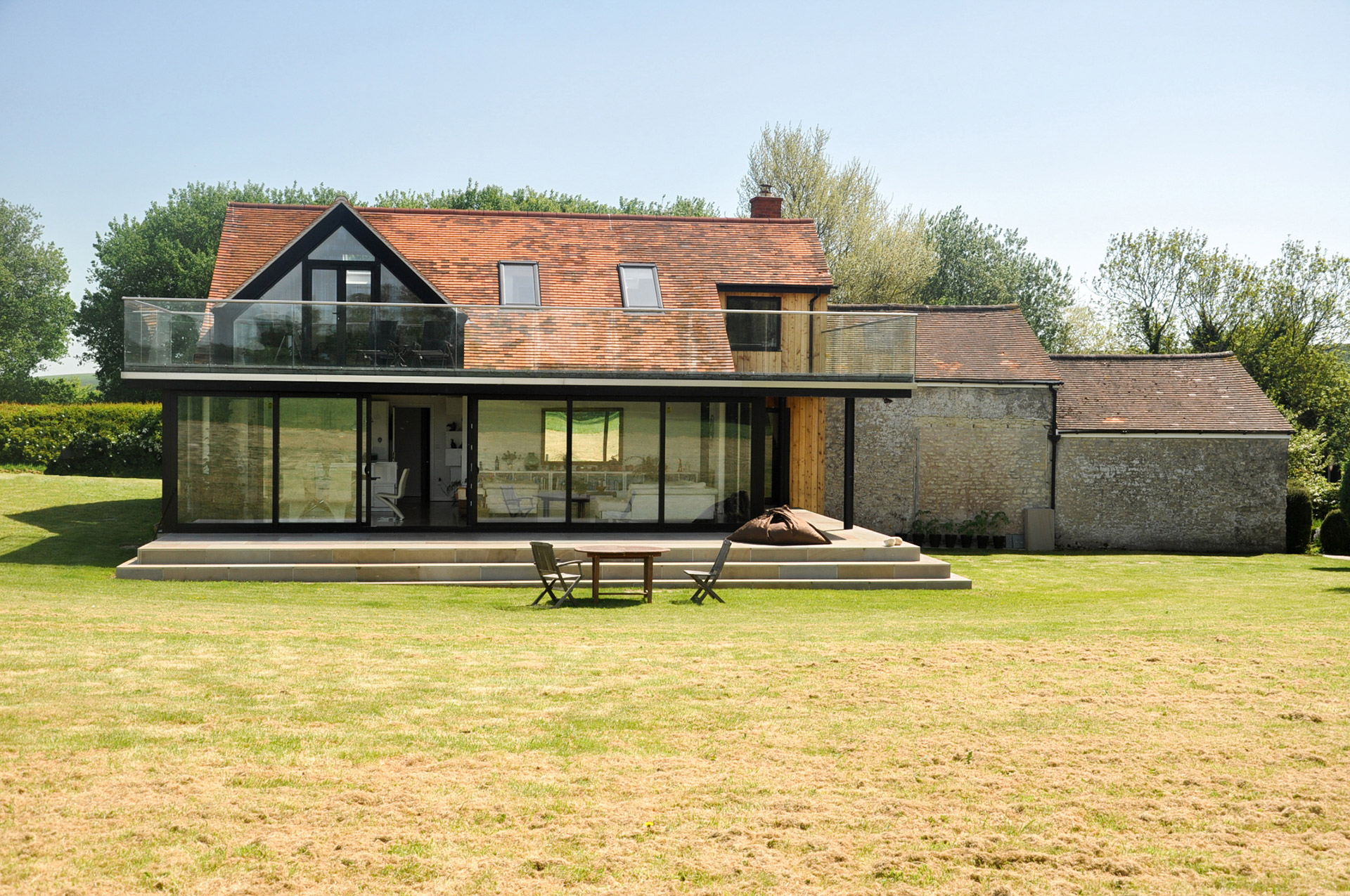
Depending on the site and its surroundings, this might include a rear or side extension, internal reconfiguration, a home office or studio within the garden, garaging, or leisure spaces such as a swimming pool. Some of these changes may fall within permitted development rights, while others will require a planning application, especially where scale, visibility or neighbouring properties are affected.
We support you at this stage by helping you assess which approach makes sense for the site as a whole. This includes considering how the house functions day to day, how new elements relate to the existing building, and how additions will be experienced from both within the plot and beyond it.
In many cases, a well thought out extension or series of additions can significantly improve how a home is used and enjoyed, while also adding long-term value, without introducing the complexity or cost associated with more substantial forms of development.
Replacing the Existing House
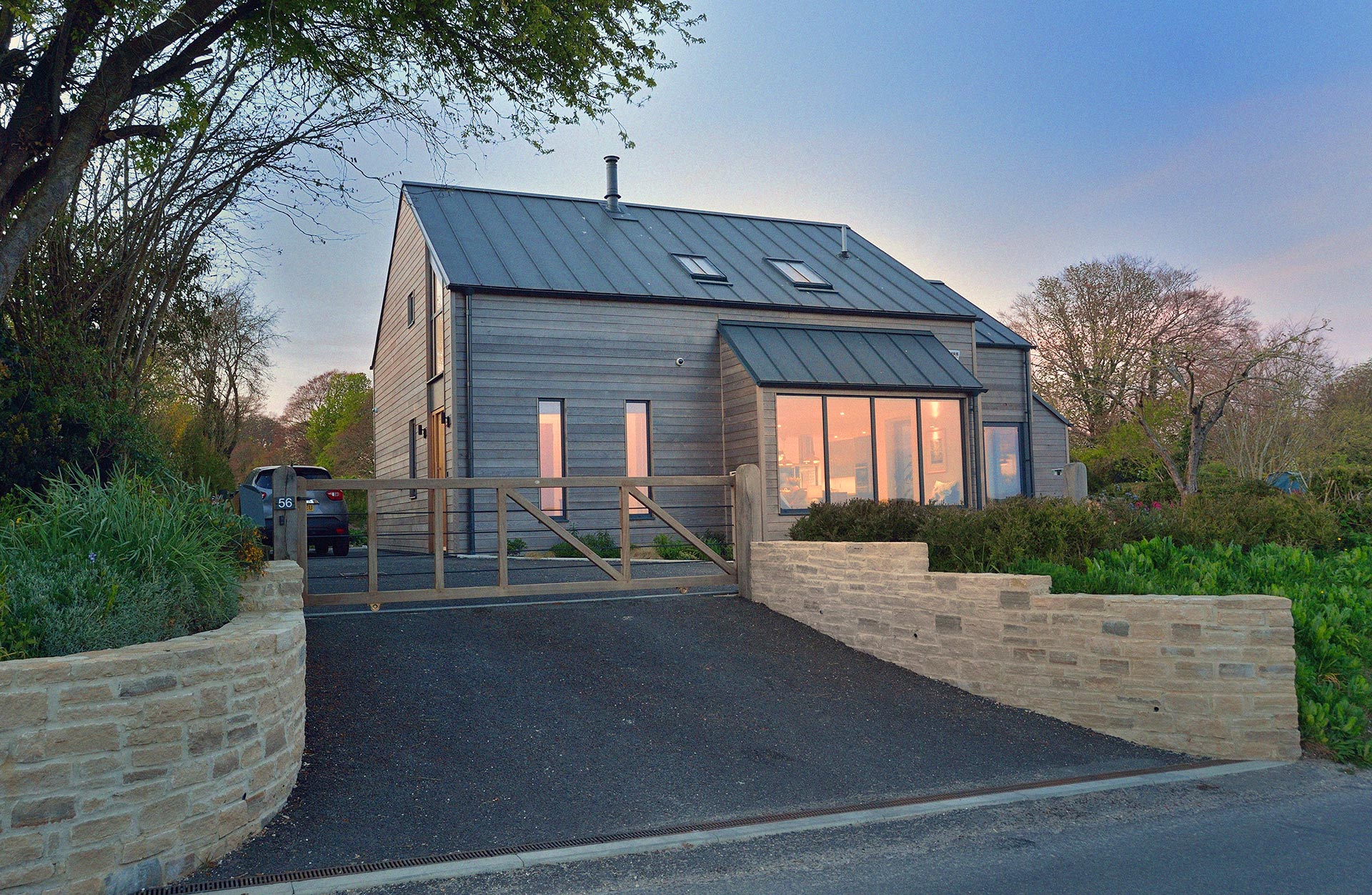
Replacing an existing house with a new dwelling can sometimes be a more appropriate option than extending, particularly where the current building no longer makes effective use of the plot or would require extensive alteration to meet modern needs.
At Western Design Architects, replacement dwellings are considered by looking carefully at how the site has evolved over time and how a new home could sit more comfortably within its setting. Factors such as scale, positioning and access are assessed alongside the relationship with neighbouring properties and the wider character of the area.
A new house can create opportunities to improve layout, natural light and energy performance, often resulting in a home that is more comfortable to live in and better suited to long-term use. That said, replacement proposals tend to attract closer scrutiny. Local Planning Authorities will usually assess whether the new building represents a genuine improvement on what exists, rather than an intensification of development.
Early design work helps test these questions before expectations are set. By exploring footprint, massing and layout at the outset, it becomes clearer whether a replacement dwelling is likely to be supported, or whether improving the existing house would offer a more realistic and proportionate outcome.
Considering Additional Development on Larger Plots
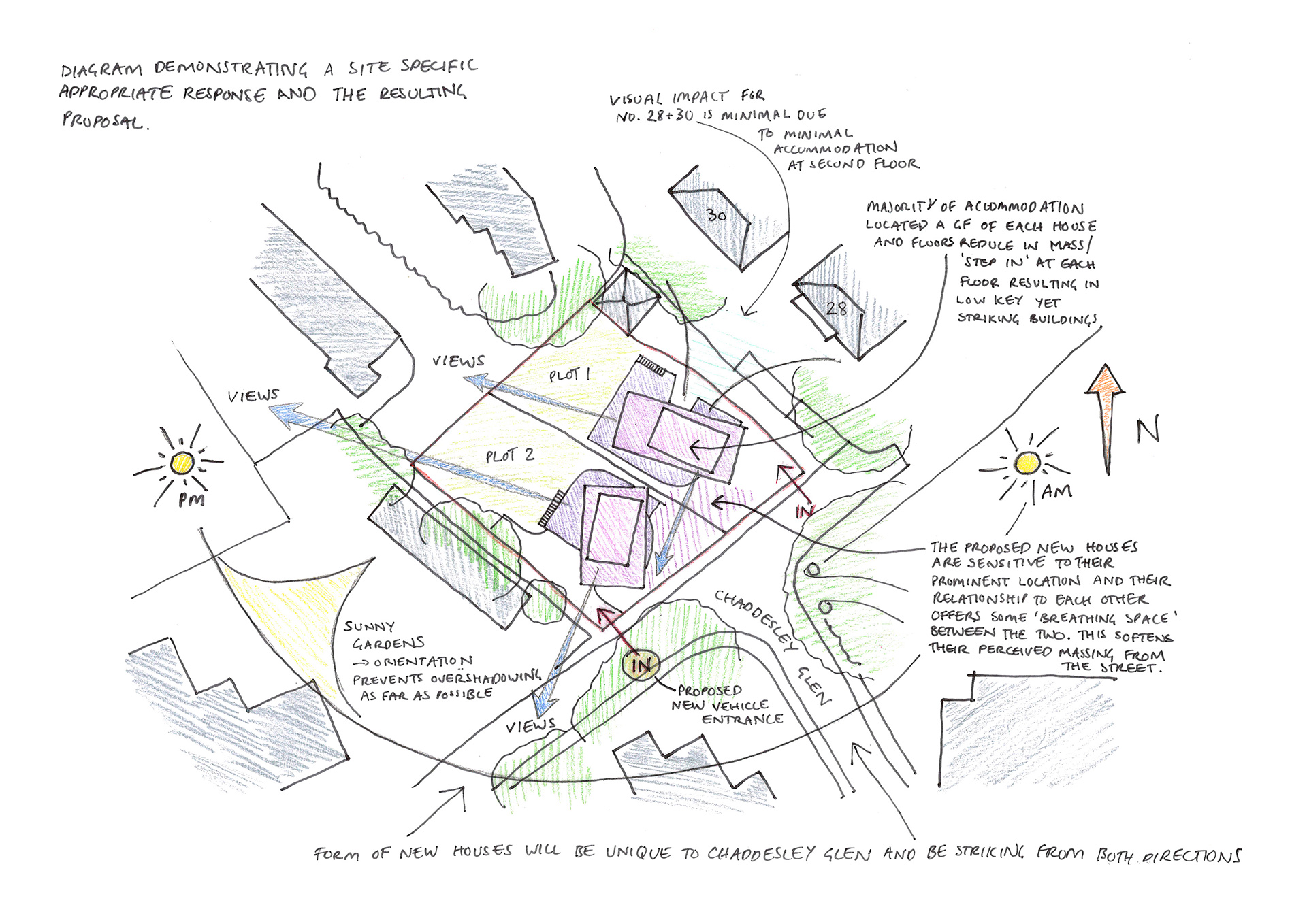
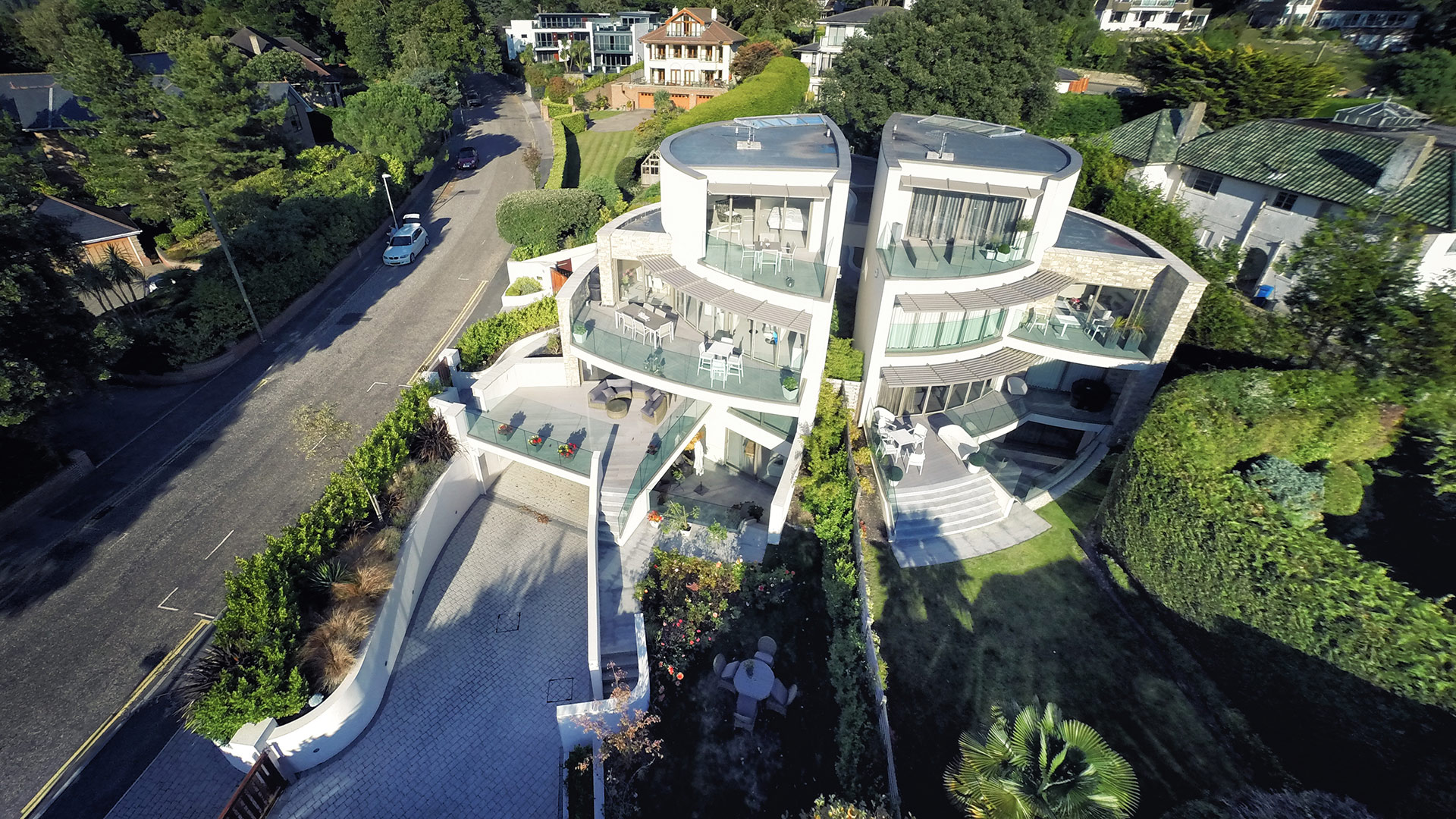
Larger plots often prompt questions about whether further development might be possible beyond the existing house. This option can be attractive, but it is also where expectations most commonly outpace what planning policy will support.
Proposals may range from additional dwellings through to detached studios or larger garden buildings, each bringing different considerations around access, spacing, privacy and local character. Even where land appears generous, constraints can emerge quickly once these factors are tested.
Local planning authorities tend to be particularly cautious where development is proposed behind an existing house or takes the form of tandem or backland development. In these cases, success depends less on plot size and more on how convincingly layout, scale and design respond to the surrounding context.
Some sites are capable of accommodating further development successfully. Others are not, regardless of their size. Early assessment and careful design help distinguish between the two and avoid pursuing options that are unlikely to gain support.
Why Early Architectural Advice Matters
Across Dorset, Wiltshire, Somerset and Hampshire, many development opportunities are shaped or limited long before a planning application is submitted. Decisions made at an early stage influence not only what may be achievable, but also how smoothly the process unfolds.
Architects are trained to assess sites holistically, balancing planning policy, design quality and practical constraints. Involving an architect early allows options to be explored realistically, risks to be identified and proposals to be developed with a clear understanding of how they are likely to be received.
For homeowners, this often means clearer direction, fewer false starts and a more considered outcome. Whether the ambition is to extend, replace or develop further, early professional advice helps ensure time and investment are directed where they are most effective.
If you are considering how best to develop your plot of land, Western Design Architects offer an initial discussion to explore the opportunities and constraints of your site and advise on appropriate next steps.
Do you have a plot of land you would like to develop?
Get in touch for a free, no obligation chat.
Published 23 January 2026