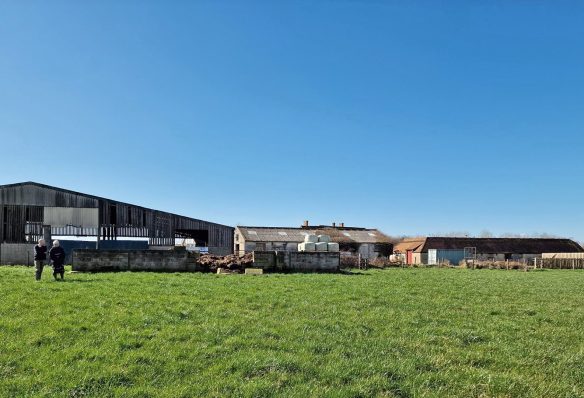
Why do I need an Architect?
Architect and Director Jonathan Turvey answers this frequently asked question.

Every project begins with a concept, a home shaped around how you live, a workplace that brings people together or a care environment designed around comfort and dignity. Turning that concept into a real building takes more than ideas. It needs the creativity, technical skill and experience of an architect to guide the process from the very beginning.
Understanding Your Vision and the Role of an Architect
Good architecture starts with understanding people. A RIBA Chartered Architect listens closely to what you want to achieve, how you live or work and the challenges you face day to day. Their role is not only to draw plans but to understand how a space should feel, how it connects with its surroundings and how it supports everyday life.
For homeowners, this might mean opening up a dark kitchen into a bright, open-plan extension or rethinking a historic or listed property for modern living. For commercial clients, it could be improving how teams use a workspace or how customers move through a retail or leisure environment. In healthcare and care-home design, it’s often about creating accessible, safe and calming environments.
An architect takes everything you hope for and interprets it in a way that adds new opportunities, options and layers of design thinking you may never have considered.

Concept and Feasibility Design for Every Project
Once your vision is clear, architects explore it through concept designs. These early studies look at scale, form, light, materials and cost. They help you understand what is achievable and how your ideas can work in the real world.
Context plays a big part. In regions like Dorset, Wiltshire and Hampshire, coastal exposure, rural landscapes and conservation considerations often shape design decisions. Architects work with these constraints, designing sensitively and sustainably while maximising the potential of your site.
From self-build homes and barn conversions to commercial developments and community buildings, architects guide you through what is possible. Specialist projects such as agricultural and Class Q conversions balance traditional character with the needs of contemporary living, while larger schemes often involve early thinking around access, parking, heritage and environmental design.
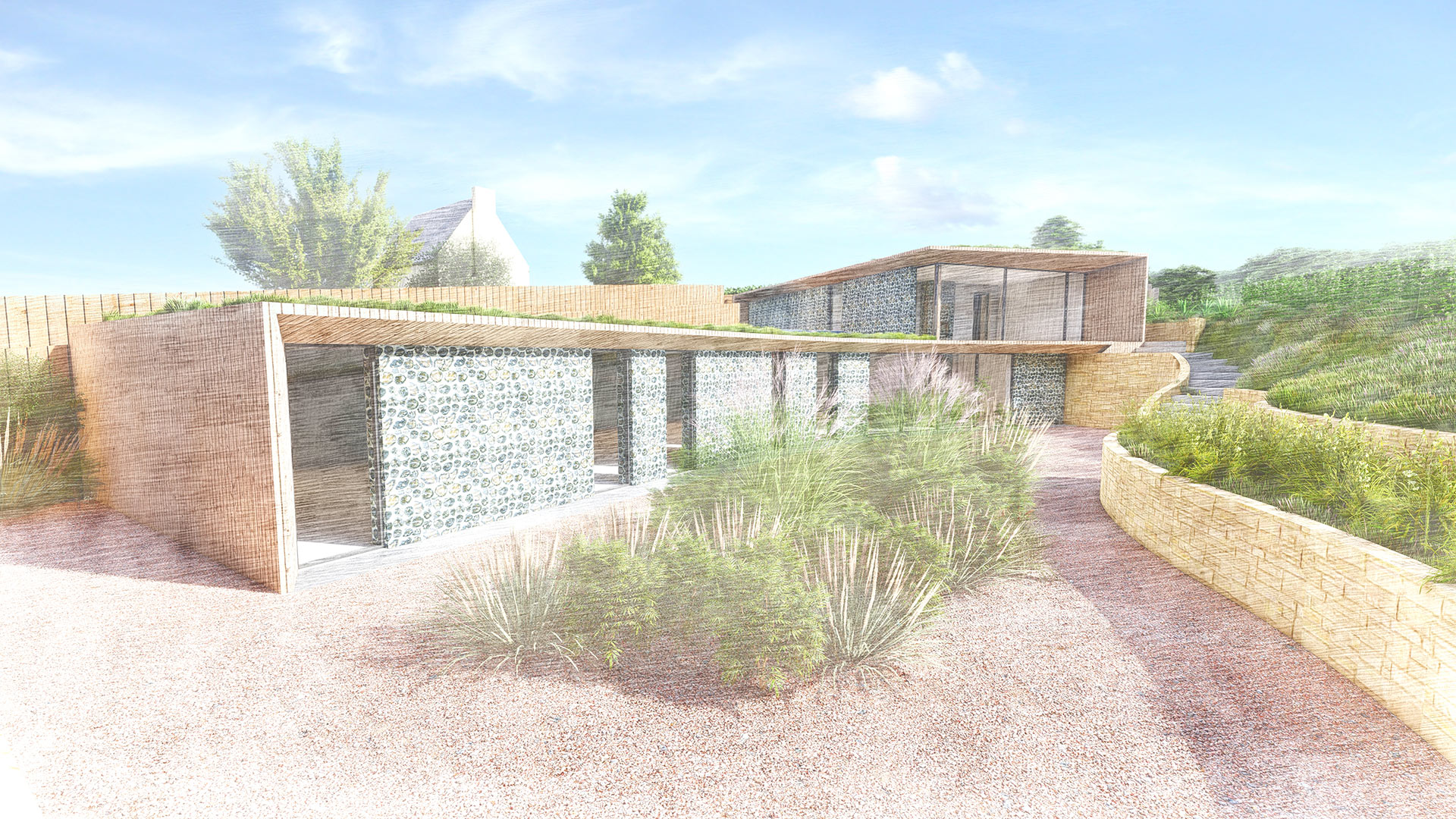
Planning Permission and Building Regulations Guidance
The planning process can feel complex, especially in conservation areas, on coastal sites or when developing listed buildings. Architects help make this stage clearer. They prepare the drawings, reports and planning documents required by local authorities and coordinate any specialists needed to support the application.

For rural clients, this might involve a Class Q barn conversion. For homeowners, it could mean designing an extension or loft conversion that feels natural to the property and respectful to neighbouring homes. Commercial and education projects often require additional assessments, such as sustainability or transport studies, while healthcare and care-home schemes must meet higher accessibility standards.
Having an architect lead this stage improves your chances of approval, reduces delays and ensures your proposals are presented as strongly as possible.
Technical Design and Construction Drawings
Once planning approval is granted, the focus shifts to technical design. This is where your architect develops detailed construction drawings that meet Building Regulations and give contractors the information they need to price and build your project accurately.
These drawings cover structure, materials, construction methods, thermal performance and compliance details. This stage brings together structural engineers, interior designers, quantity surveyors and contractors. On more complex projects, such as commercial or healthcare schemes, mechanical and electrical coordination is essential, and your architect keeps everything aligned.
These documents form the foundation of a well-managed, well-built project.
Cost, Time and Quality Management
Your architect plays a key role in protecting your investment. They help you select the right contractor, manage the tender process and administer the building contract throughout construction.
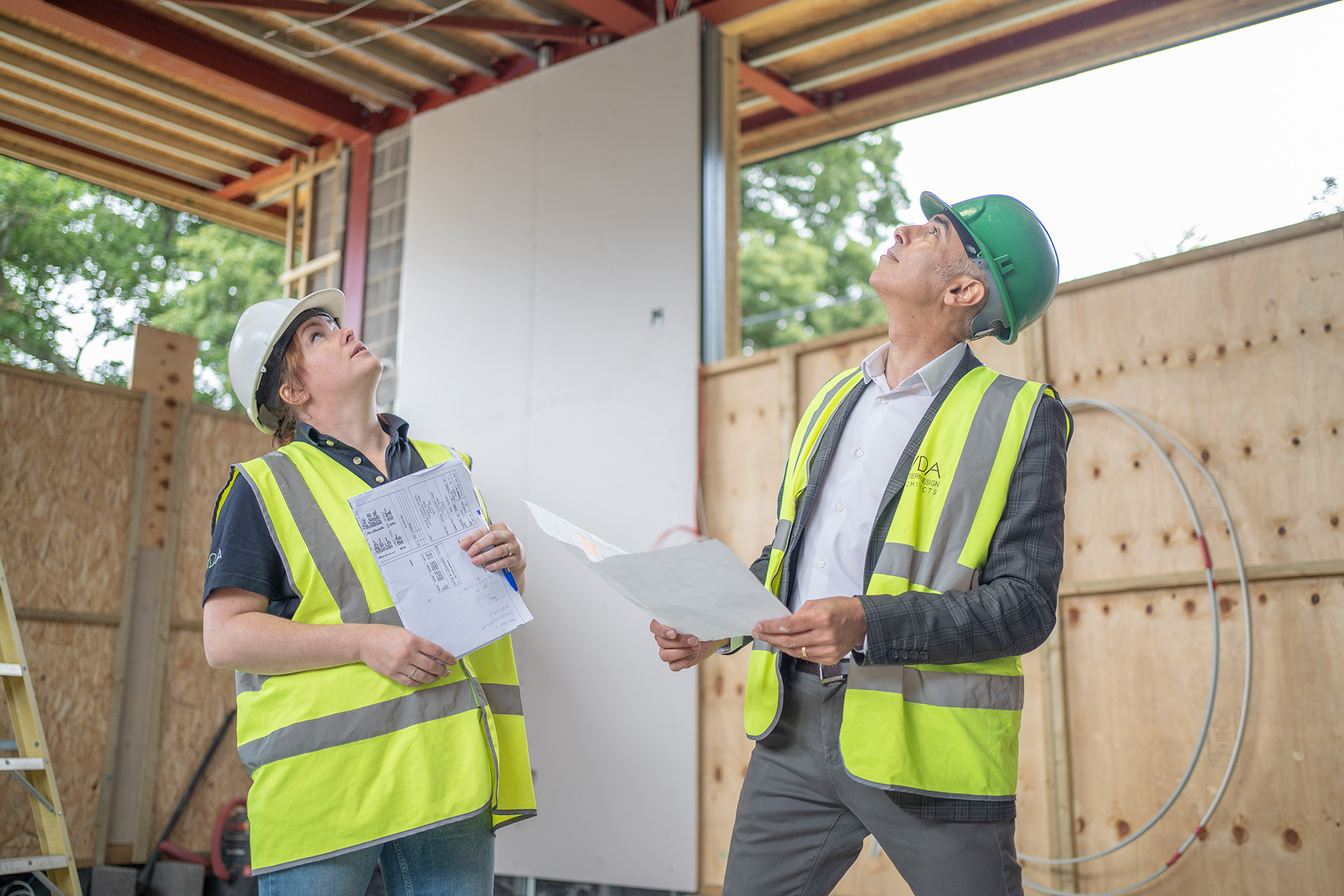
During the build, they visit the site, answer questions, issue instructions, check workmanship and monitor progress. Whether it’s keeping a residential project within budget, coordinating multiple teams on a commercial site or ensuring safety and quality in a live healthcare setting, your architect acts as your advocate from start to finish.
Sustainable Architecture and Long-Term Value
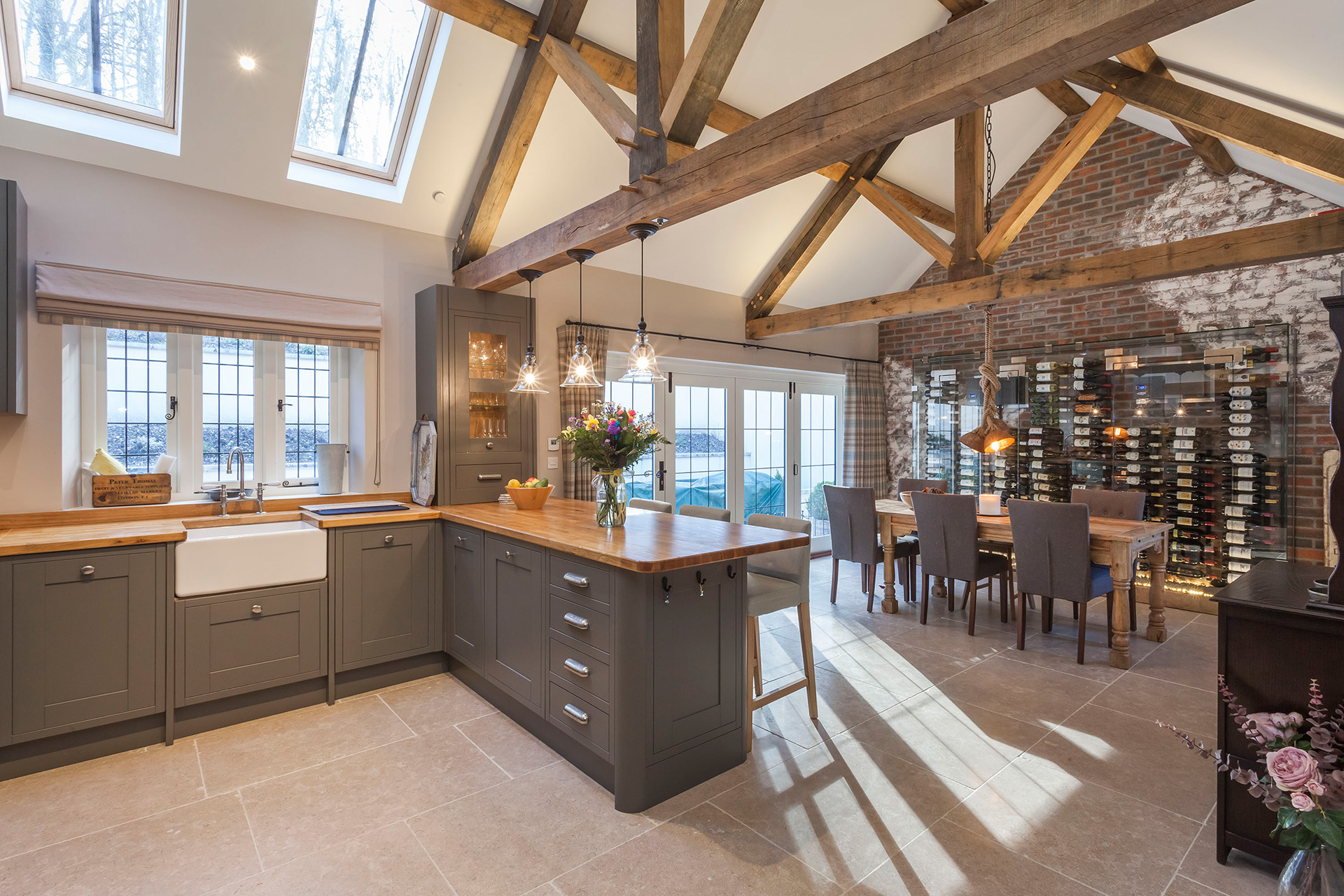
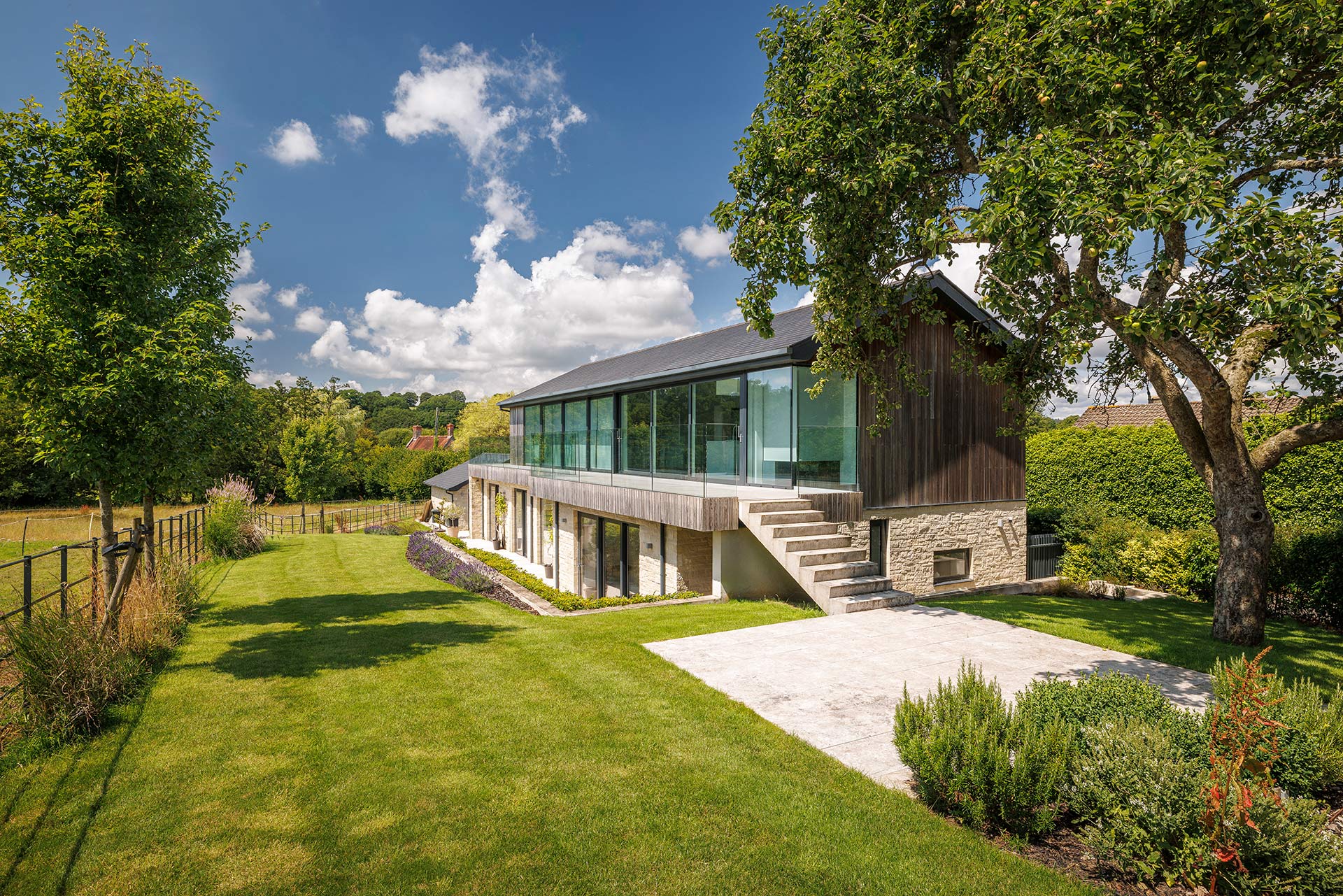
Sustainability is now a central part of every architectural project. The position of a building on a site, the materials chosen and the way it is constructed all influence how it performs for decades.
Architects guide you toward low-energy, low-carbon solutions, from a fabric-first approach to passive solar design and improved insulation. In education, healthcare and leisure environments, sustainability also includes natural daylight, healthy air quality and strong connection to nature, all elements known to support wellbeing.
Thoughtful design delivers buildings that perform well, feel comfortable and add long-term value.

Collaborative Design and Project Delivery
Architecture is a collaborative process. Architects bring together engineers, specialists, consultants and contractors to deliver a coordinated design and final build. They make sure each decision supports the overall vision, whether the project is a family home, a community centre, a retail destination or a school.
This coordination ensures a smoother process and produces spaces that function well, feel considered and enrich daily life.
The Benefits of Working with an Architect
Working without an architect can seem like a way to save money, but it often leads to redesigns, planning issues, unexpected site questions and missed opportunities. Architects bring structure to creativity and clarity to complex decisions.
From new-build homes and barn conversions to commercial buildings and care facilities, architects turn aspirations into spaces that work.
If you’re planning a project in Dorset, Wiltshire, Hampshire or the wider South West, our RIBA Chartered team can guide you from the first idea to the completed build, creating spaces that are practical, distinctive and built to last.

Want to read more?
You can also explore Tom Nock’s article on the benefits of appointing an architect after planning approval has been granted.
Published 15 December 2025