Should I appoint an Architect after planning?
Architect Tom Nock answers this question and explains how your Architect can support you through the important stages that follow a planning approval.

Many people approach an Architect for the design and planning stages of their project and feel unsure about what happens next.
Once planning approval has been granted, the design still needs to be developed, detailed and coordinated before builders can begin work on site. Much of the important decision-making happens at this stage, and appointing your Architect to continue supporting you can make a significant difference to how smoothly the project progresses.
Every project is different. The scale, complexity, location and type of building all influence what is needed after planning, but an Architect can guide you through the next steps and help turn the approved drawings into a fully buildable scheme.
For a clearer overview of the stages that follow planning, you can also download our What Next guide, which explains Building Regulations, construction information and tendering in more detail.
Building Regulations and Technical Design
Planning approval confirms that the proposal is acceptable in principle, but it does not cover how the building will be constructed. To move forward, your project will need to comply with Building Regulations. These cover structural stability, fire safety, drainage, ventilation, insulation, accessibility, energy performance and more.
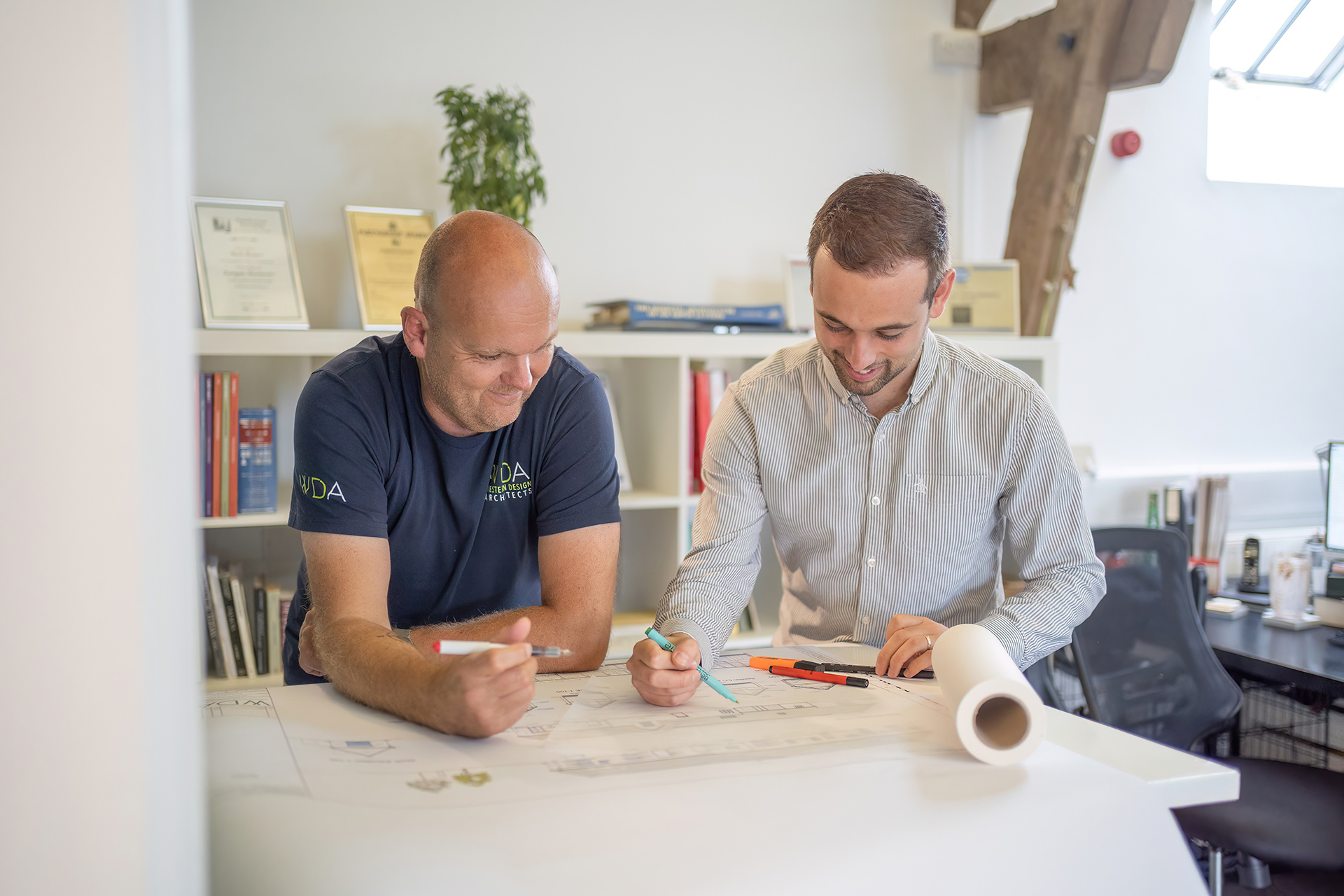
Your Architect develops the planning drawings into detailed technical information that meets these requirements. This may include:
- insulation performance and wall build-ups
- structural layouts and coordination with the engineer
- drainage and ventilation
- safe escape routes, fire separation and detection
- accessibility and sustainability considerations
- integration of services such as heating, lighting and ventilation
The level of detail varies depending on the project, but this stage ensures your design can be built safely, efficiently and in line with current regulations. Architects regularly work alongside structural, mechanical and electrical consultants and can help coordinate their input into a clear and unified design.
Why Technical Drawings Matter
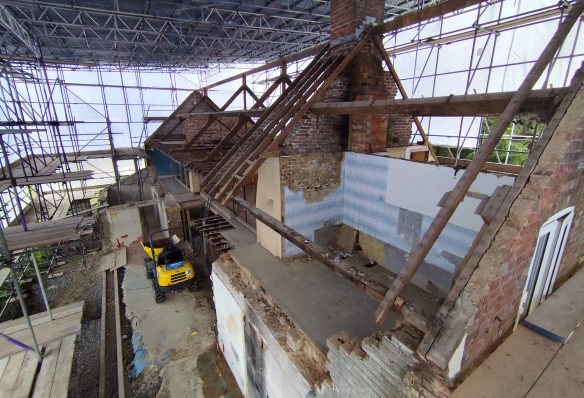
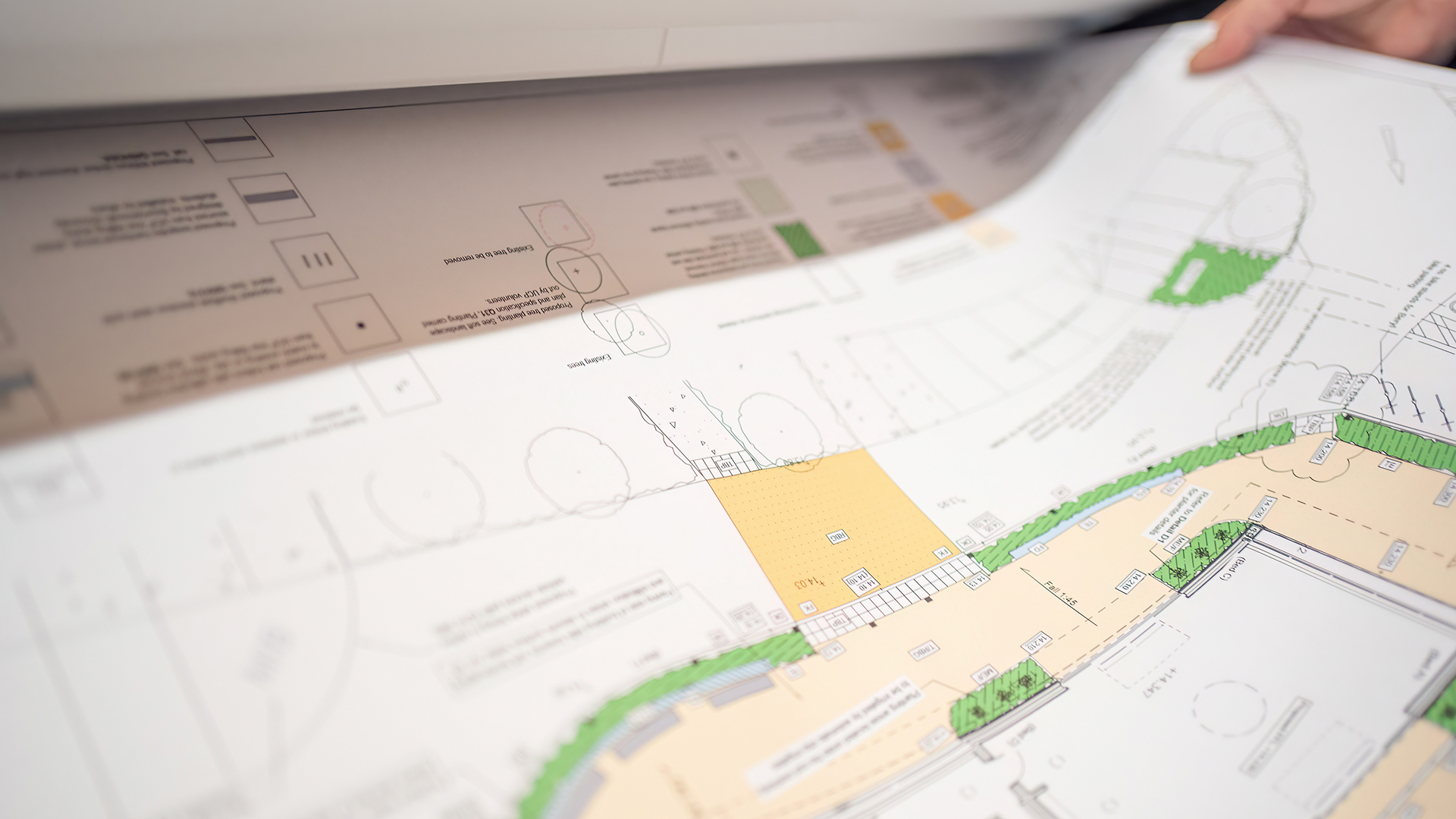
While planning drawings set out the overall concept, they are not sufficient for construction. Builders need accurate information to understand how elements should be put together on site. Without this, details can be misinterpreted, and small changes can have a big impact on the quality or appearance of the final building.
Detailed construction drawings provide clarity on:
- junctions between old and new structures
- roof and eaves details
- window positions and proportions
- material interfaces
- thermal performance
- finishes and fittings
Clear instructions reduce the risk of errors, protect the design intent and help avoid unnecessary cost during the build. Good detailing enhances durability, performance and the overall feel of the finished spaces.
Tendering and Choosing a Contractor
Once technical drawings are complete, your Architect can support you through the tender process. This includes preparing the information pack for pricing, answering contractor queries and helping you compare the tender returns.
Contractors may price information differently or propose alternative solutions, so guidance at this stage helps you make an informed decision. Your Architect can advise on quality, cost, programme and suitability, and ensure the builder understands the design fully before work begins.
Contract Administration and Site Support
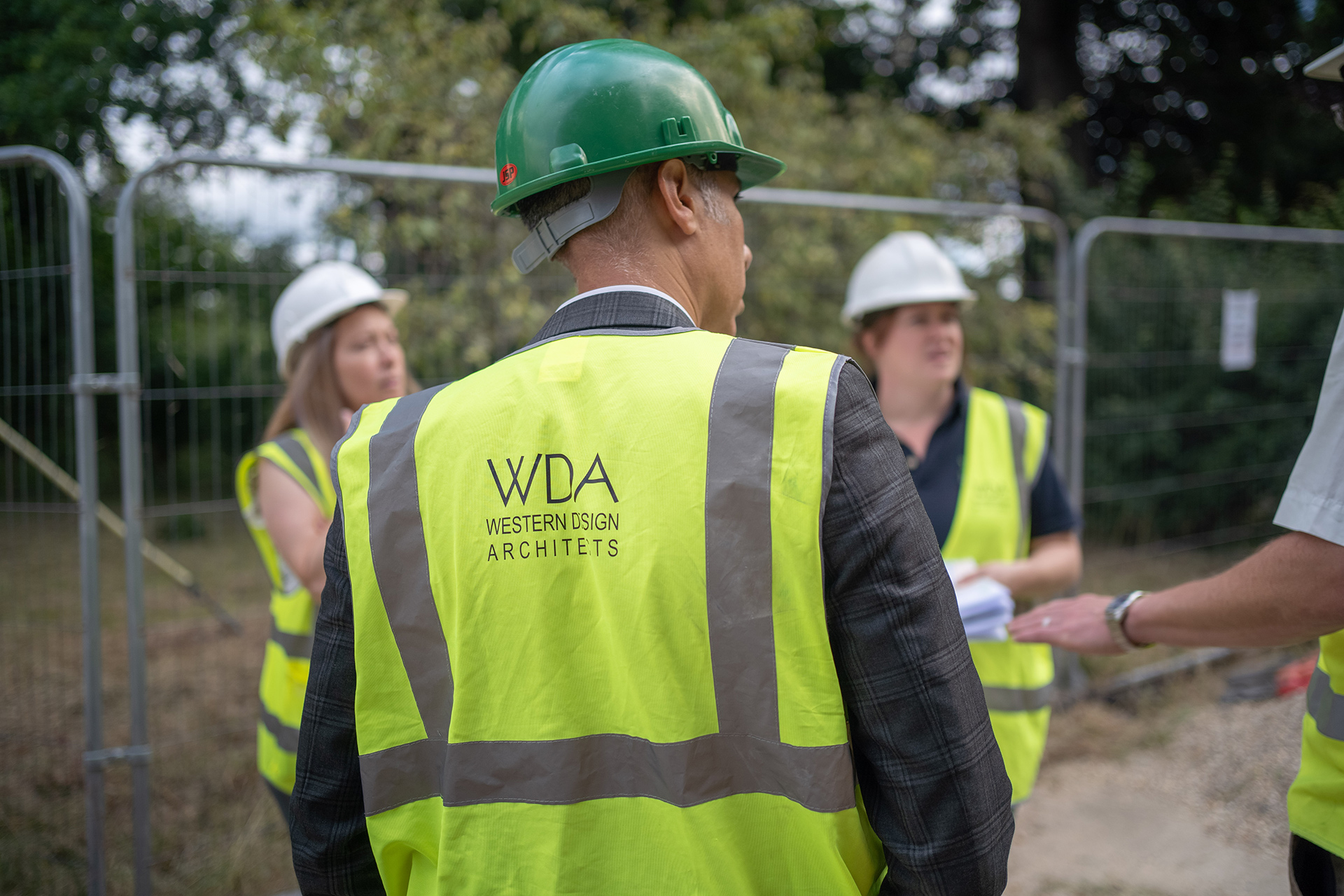
During construction, an Architect can act as Contract Administrator. This role helps keep the build on track, provides an impartial point of contact and ensures the project follows the contract terms.
Their responsibilities may include:
- attending regular site meetings
- responding to queries from the contractor
- issuing instructions when needed
- checking progress against the drawings
- reviewing valuations for payment
- monitoring changes and resolving issues quickly
For homeowners, this support offers reassurance and continuity. For larger schemes such as commercial, community, healthcare or heritage projects, the coordination becomes even more important. An Architect helps maintain quality, manage risk and ensure the original design intent is delivered on site.

Smoother Delivery and Better Results
Appointing your Architect beyond planning can save time and reduce stress. It helps prevent delays, avoids misunderstandings on site and ensures the design is carried through with care.
Some of the benefits include:
- a consistent design team from concept to completion
- fewer unexpected costs during construction
- better communication between you and the contractor
- informed decision-making at every stage
- improved quality and long-term value in the finished building
Whether it is a home extension, a self-build, a barn conversion, a public building or a more complex commercial scheme, continued architectural involvement helps create a well-coordinated and successful project.
Should You Appoint Your Architect After Planning?
Many clients find the post-planning stages more complex than expected. Regulations, drawings, tendering and site queries often raise questions that are difficult to resolve alone. Keeping your Architect involved provides guidance, structure and clarity at a time when decisions matter most.
If you have received planning approval for a project in Dorset, Wiltshire, Hampshire or the wider South West and are considering your next steps, our team can talk you through the process and the level of support that may be right for you.
You can also download our What Next guide for a practical overview of the stages after planning, including Building Regulations, construction information and tendering.

Read more helpful articles…
Moving onto the next project? Architect Tom Nock offers his advice on developing a plot of land.
Published 15 December 2025