Tree Houses Part 2 – What you need to know before building a home among trees
A client guide. Your essential overview of woodland homes, tree house style living and building sensitively in a natural landscape within the UK.
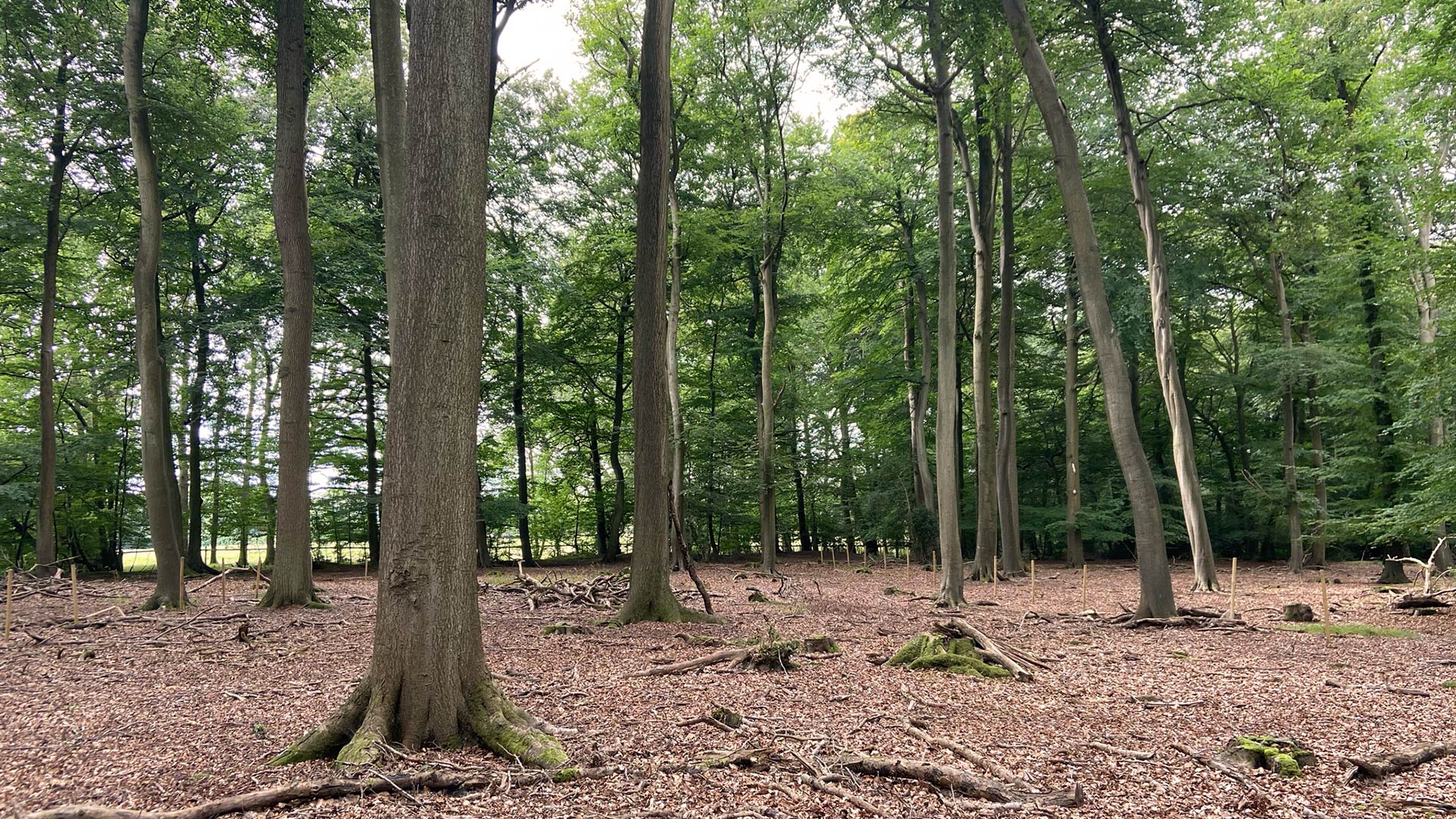
Understanding the appeal – why build among trees?
Homes designed within or alongside woodland settings offer something rare in the UK: a sense of privacy and tranquility that feels truly removed from everyday life, a deep connection with nature, and architecture that is uniquely shaped by the surrounding landscape. These homes are defined by seasonal beauty, where shifting light, changing colours, evolving shadows, and rich natural textures create an environment that feels alive and constantly renewed.
Planning Permission and Regulations
Building among trees in the UK involves additional considerations compared with some standard plots. These considerations include:
Tree Preservation Orders (TPO’s)
Many trees are legally protected, either through virtue of being within a Conservation Area or protected individually or as a group TPO. You must not cut, damage or disturb them without permission from the local authority. This affects;
- Foundations
- Drainage routes
- Construction access
- Canopy and root protection zones
Conservation Areas and National Landscapes
If the site is located within a Conservation Area, National Landscape, National Park or Greenbelt, any design and planning application will require;
- Sensitive design
- Landscape Visual Impact Assessment
- Ecology reports
- Scale or material restrictions
Root Protection Zones
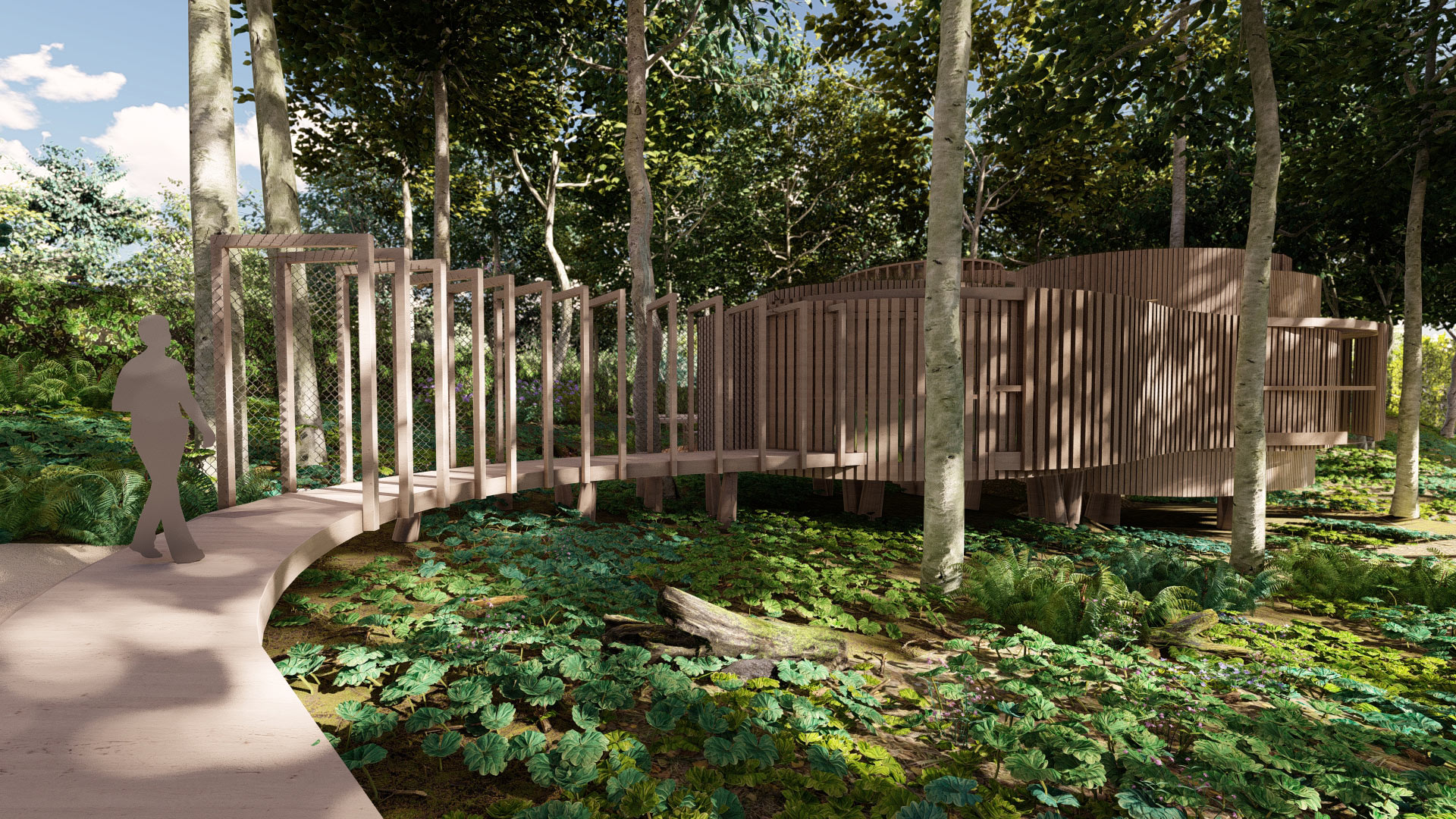
Working with Arboricultural consultants and local authority tree officers, root protection zones will be defined where you cannot dig. This is why many woodland homes are built with;
- Posts or stilts
- Raised walkways
- Lightweight foundations
- Modular of pod like structures
Early engagement with these consultants is crucial.
Working with an Architect Early
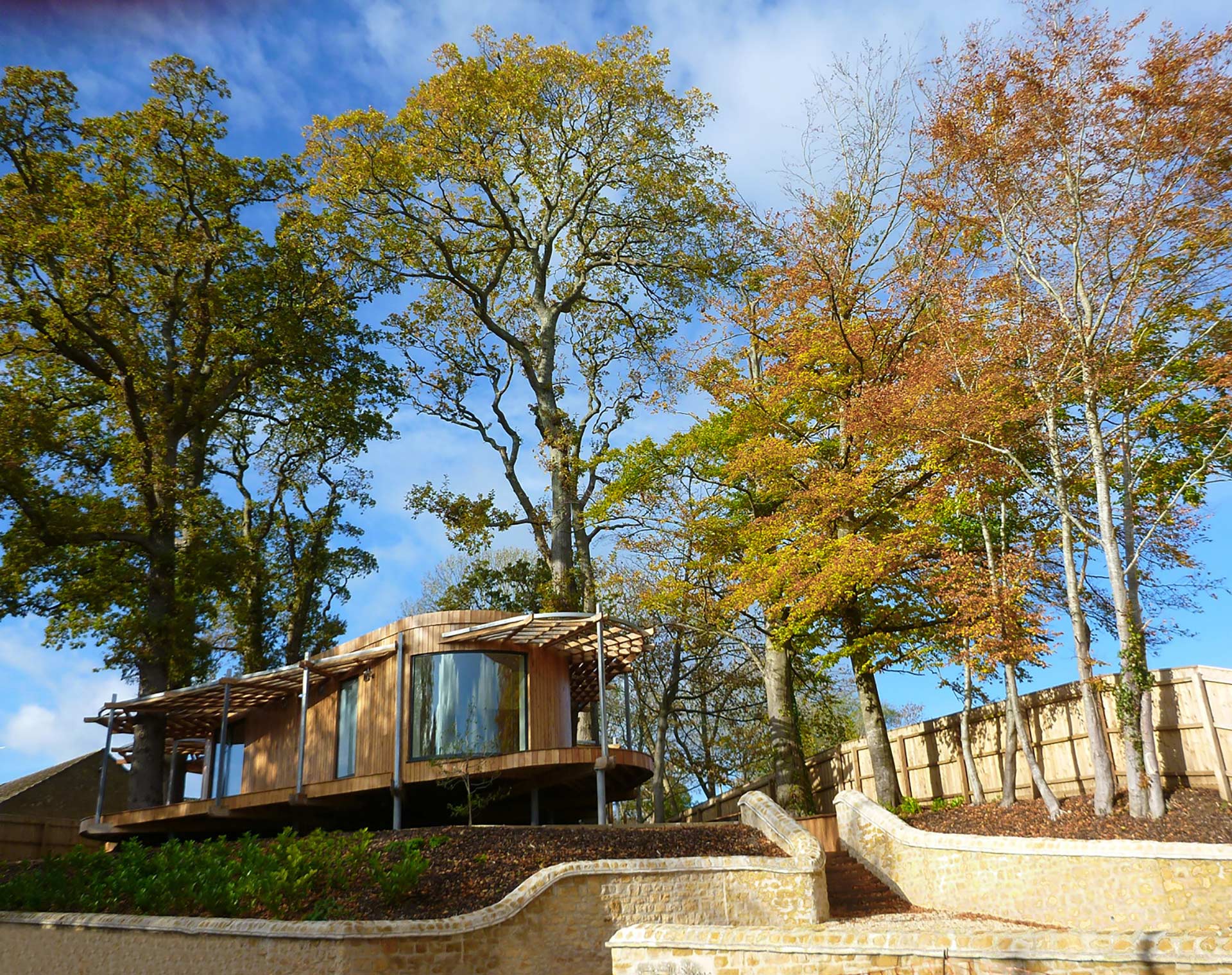
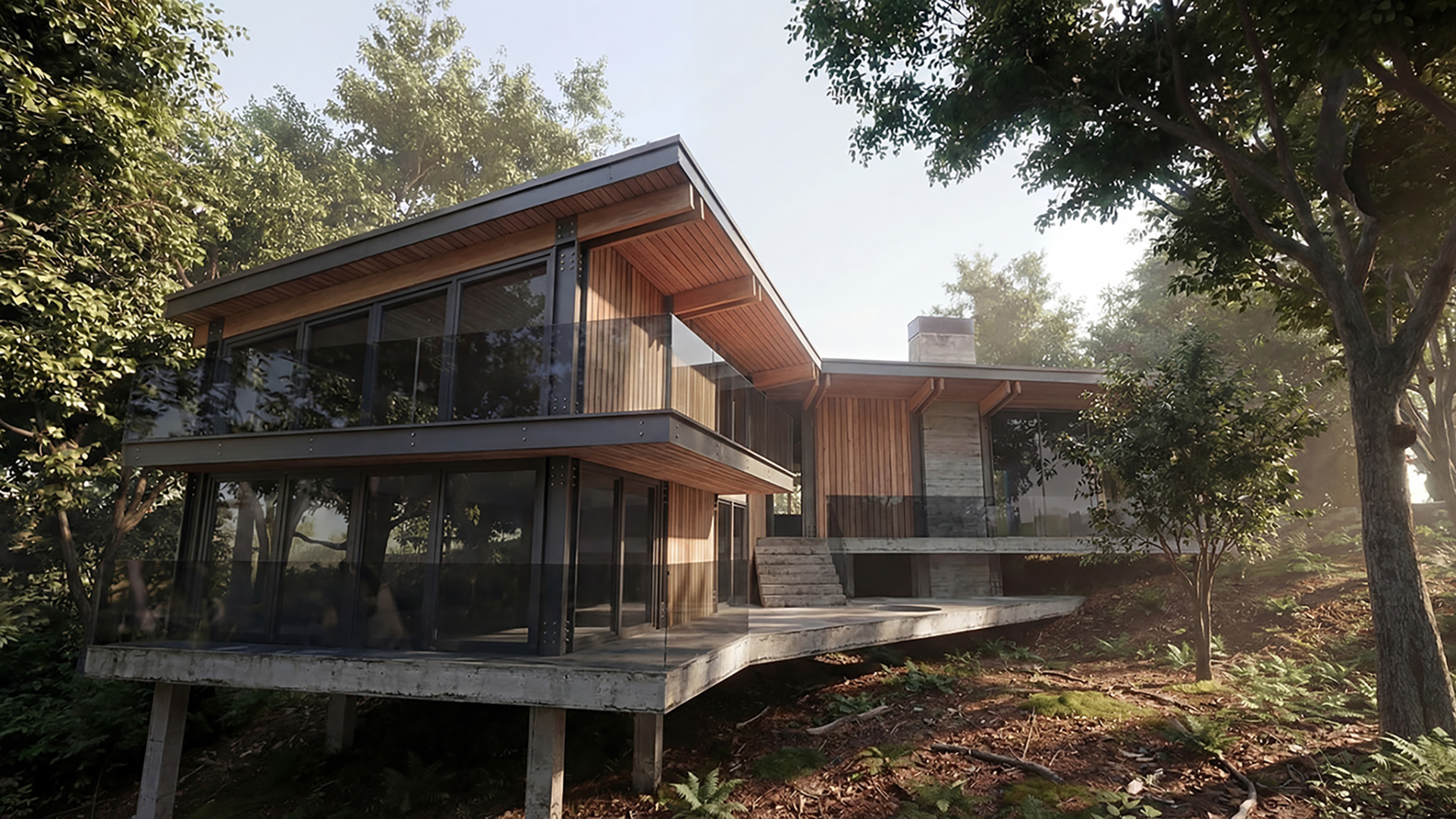
A woodland site is not a blank canvas; it’s rich with character, constraints, and quiet opportunities waiting to be discovered. A skilled architect will walk the site with you to fully understand its natural features, identify valuable trees and habitats, and carefully observe sunlight paths, prevailing winds, views, privacy, and wildlife activity. From this, they can propose building locations that minimise environmental impact and develop designs that celebrate the trees rather than clearing them away.
The ultimate aim is to create a tree house that feels at home in the woodland – one that sits comfortably within its surroundings rather than competing with them.
Design Principles for Homes Among Trees
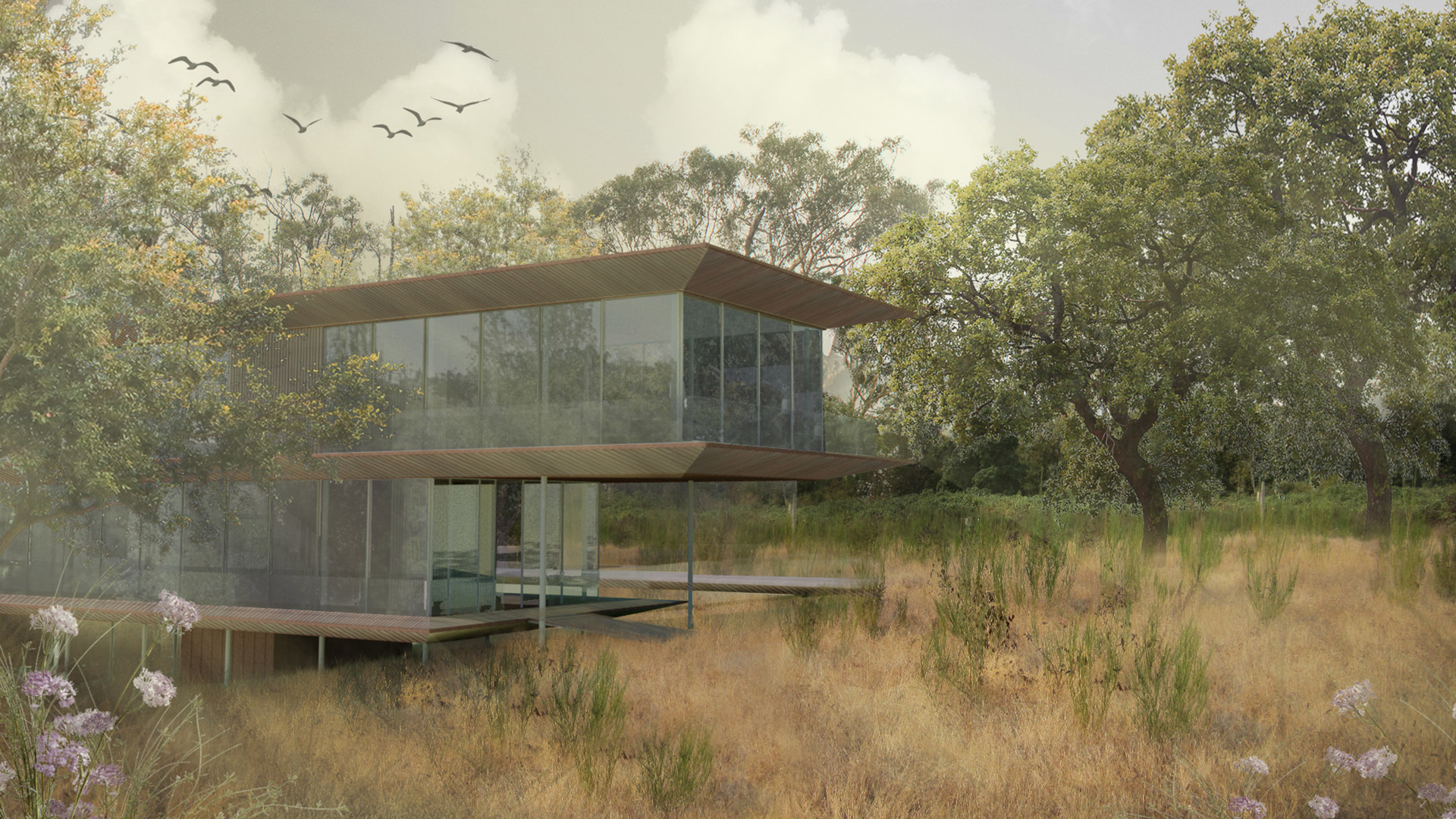
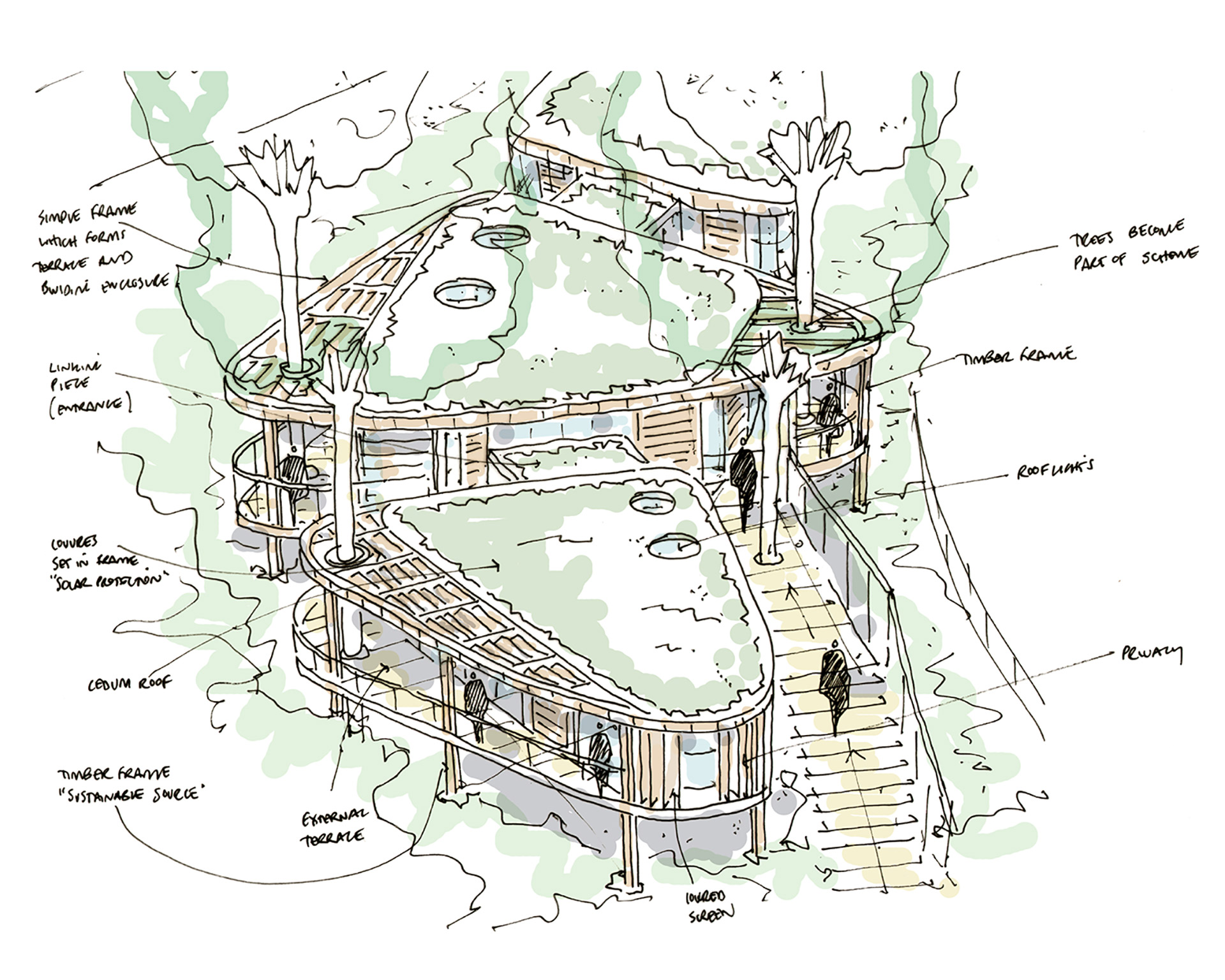
Build lightly, sit gently
Raised platforms, minimal ground disturbance, bridging over roots and small footprint pods help protect the ecosystem.
Let the trees guide the layout
Mature, healthy trees should inform and help shape key design decisions, from framing views and positioning windows to determining pod locations, roof heights, decks, terraces, and natural circulation routes through the tree house.
Blend with the landscape
Natural tactile materials age beautifully. Materials such as cedar, larch, oak, charred timber, stone, green roofs, and metal cladding weather gracefully over time, helping the tree house sit quietly and confidently within its natural surroundings.
Maximise natural light
Woodland settings can be naturally shaded, so achieving the right balance of space and openness is critical. Architects often introduce clerestory windows, glazed links, light wells, and double or triple-height openings, alongside reflected light from decking, canopy gaps, or carefully placed glazing to draw daylight deep into the tree house.
Structural & Engineering Considerations
Foundations
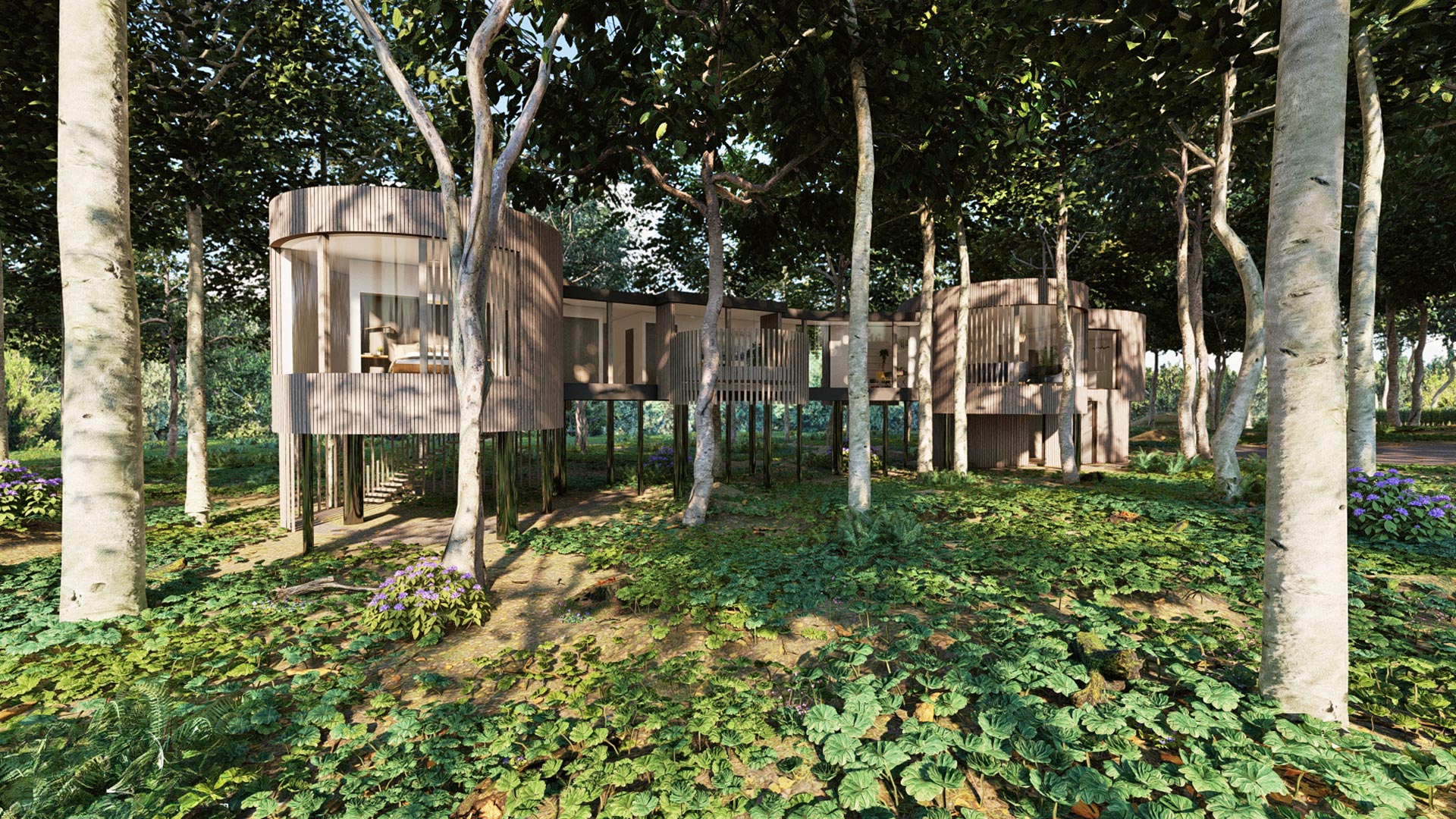
Traditional concrete foundations are rarely ideal around trees. Alternatives include;
- Steel or timber posts
- Helical screw piles
- Cantilevered platforms
- Lightweight timber frames
Movement & Flexibility
Trees grow and move, so the house must allow for;
- Seasonal limb movement
- Expansion and contraction of timber
- Humidity fluctuations
- Ground water conditions
Drainage & Water Management
Woodland soil and root systems require careful handling. Solutions may include;
- Permeable surfaces
- Rain chains
- Green roofs
- Discreet soakaways
Still have questions?
Take a look at our useful Frequently Asked Questions page about Tree Houses and Building Among the Trees.
If a tree house sounds like the perfect answer for your new home build, get in touch with our expert team at WDA.
Published 21 May 2026