Tree Houses Part 1 – Why build among the trees?
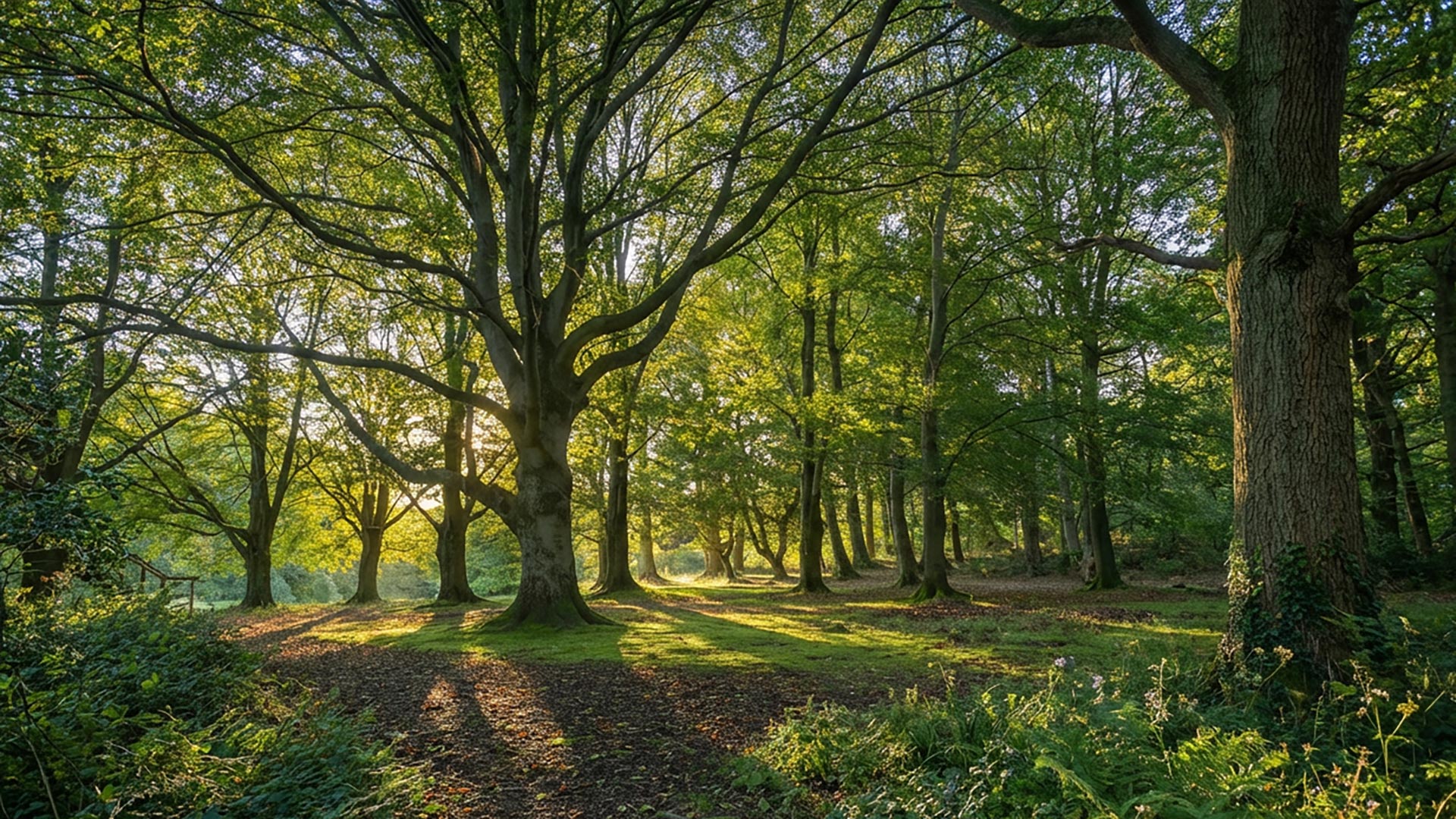
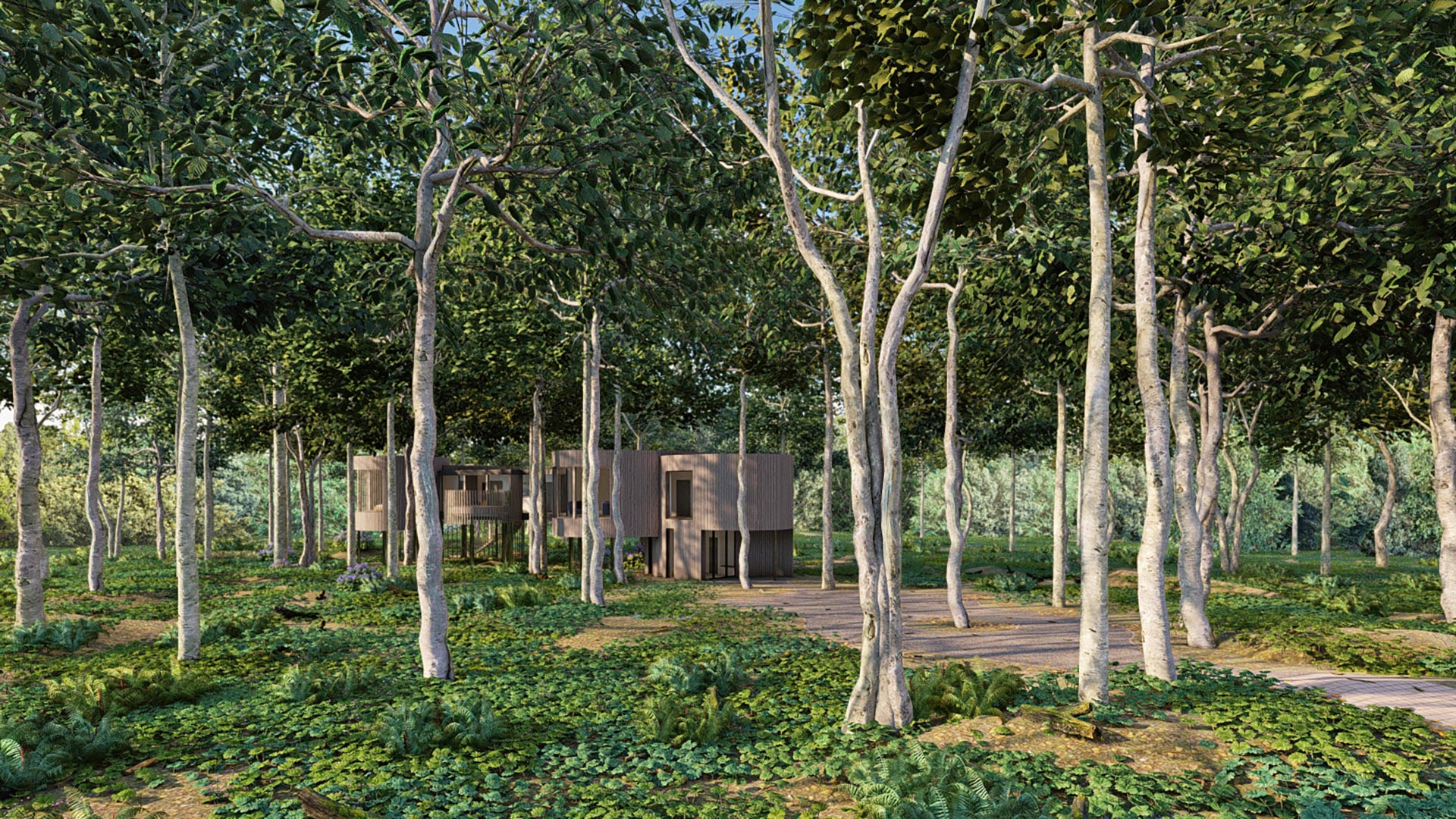
Living among trees or within a woodland setting offers a unique kind of lifestyle. Rather than a conventional house on a cleared plot, a tree house embeds you in nature, with mature trees as part of the design, rather than a constraint or obstruction. This kind of architecture blends shelter and nature. Views and sounds of rustling leaves, shifting light through branches, birdsong and a sense of being enveloped by living greenery.
Tree based homes create a strong connection with nature, a retreat from urban bustle. They allow for creative and unique architecture, with shapes, levels, orientation adapted around trees.
There is also the eco-conscious allure of working with trees and having minimal ground contact and disruption.
A built example
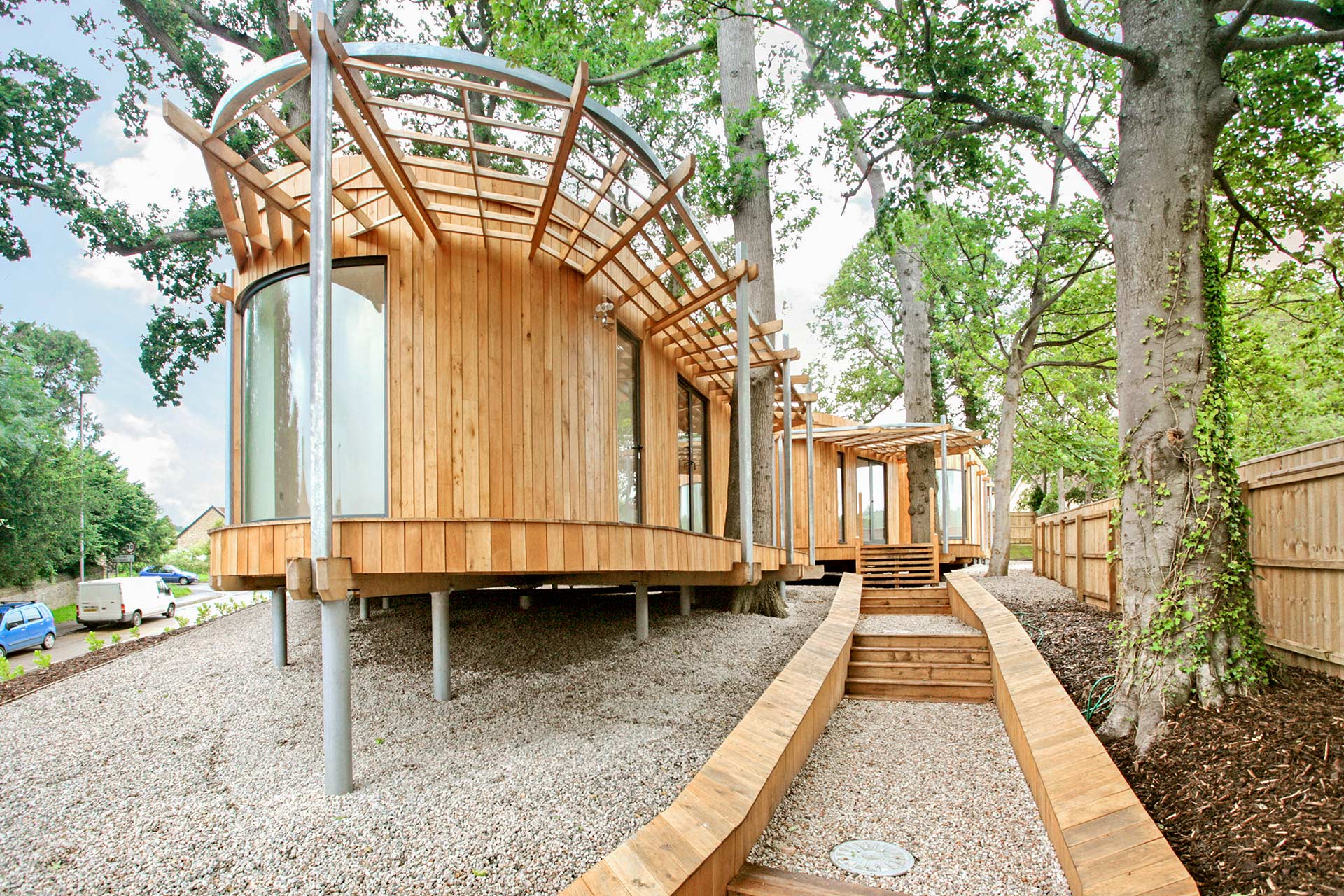
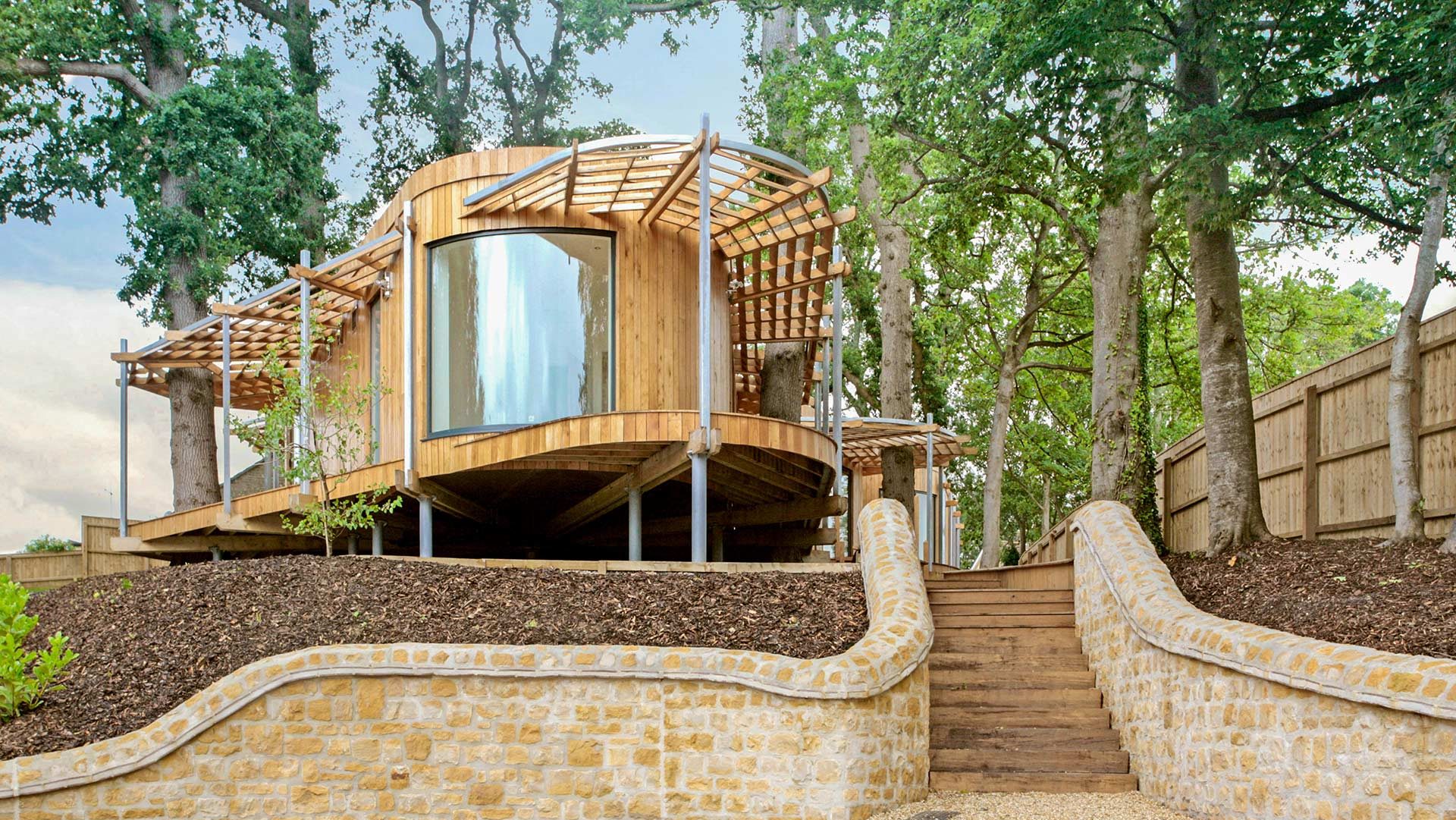
At Clay Lane in Beaminster, we created a tree house style house that shows how beautiful and thoughtful this approach can be, despite being within an urban environment.
The design comprises three contemporary pods, each linked by glazed walkways. Each pod has its own external terrace and pergola and the external spaces are woven around mature trees, creating a true house in the trees. The site was covered by a Tree Preservation Order (TPO) so we used a light touch screw pile foundation system that minimised impact on the tree roots, helping preserve the trees.
Overtime, the surrounding vegetation matured and the house became increasingly screened, enhancing privacy and blending into the woodland backdrop. The timber cladding, bright when new, has weathered naturally to a soft silver-grey, aging gracefully and harmonising with the natural surroundings
Clay Lane is an elegant reminder that tree houses need not be rustic or unfinished – they can be well designed, modern homes that respect and celebrate their environment.
Design & Material Considerations
If you are thinking about a tree house or woodland home, there are many choices. Here are some of the key considerations around design and materials.
Timber and natural materials
- Timber (cedar, oak, fir) works well – its natural, blends well with the environment and will age well
- Choosing sustainably sourced timber helps reduce environmental impact and depending on the cut, offer a rustic or refined aesthetic, both of which suit a woodland setting
Low Impact Construction Methods
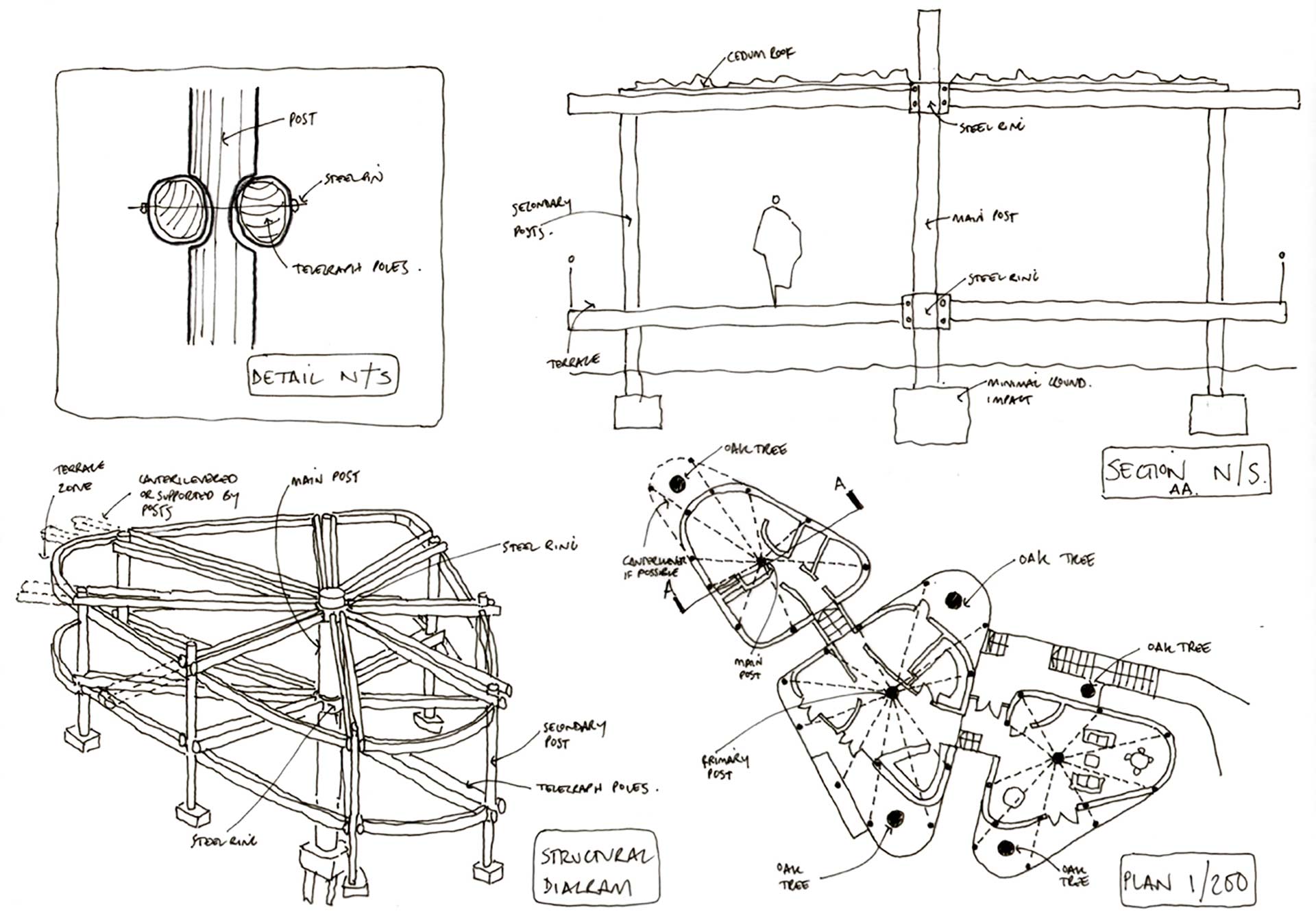
- Using screw piles and structural posts rather than extensive groundworks helps protects and preserve the landscape and can also be a quicker method of construction
- Designs that allow trees room to grow and move are vital – this avoid
Sustainable Features
- Eco friendly designs can incorporate solar energy, passive ventilation, green or living roofs and rainwater harvesting
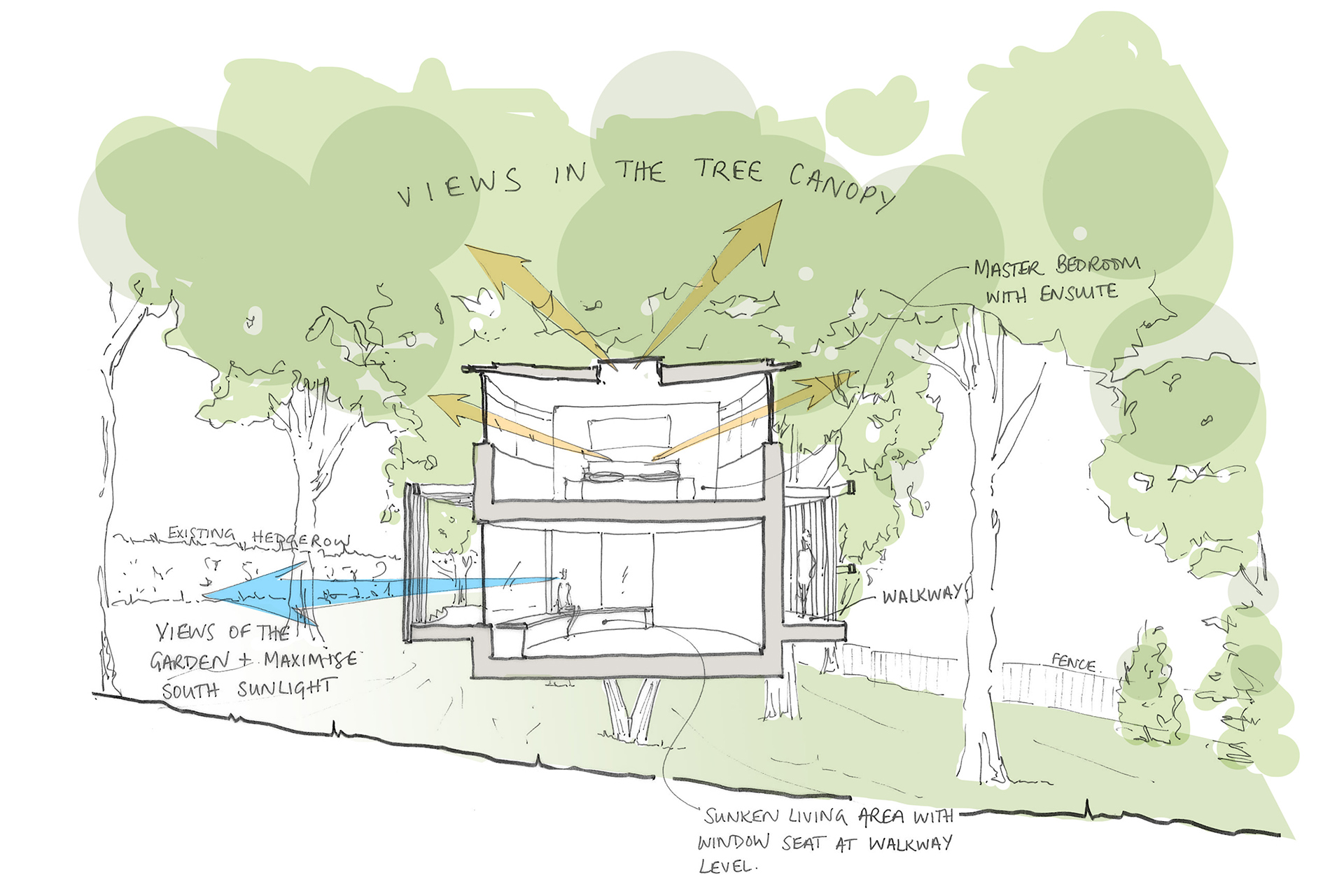
- Large areas of glazing or glazed connections can help reduce energy costs but also provide strong visual links to the surrounding woodland
Challenges of building a tree house
There are a number of challenges to overcome when building a tree house
Structural constraints
Tree roots impose specific constraints, and you need careful planning to avoid damaging the trees, especially when subject to Tree Preservation Orders or environmental protection. Consideration is required to allow for trees moving in wind and tolerances for future growth. Local planning requirements and Building Regulations may treat tree houses differently, so expert guidance is required
Maintenance
Woodland homes can be more exposed to natural elements so waterproofing, weatherproofing and regular maintenance are essential. Timber, even higher grade quality wood will weather and age and may require treatment and care over time
Space Limitations
Many tree house designs may be more compact than conventional houses due to site specific tree constraints, so internal space, storage and layouts can be constrained. Access can be tricky, stairs, boardwalks and raised platforms require careful design for safety and long term usability
Costs
With bespoke design, careful structural design work and premium building materials, building a woodland home or tree house can sometimes be more expensive than a standard home. Ongoing maintenance is required with any property, but there may be ongoing costs to consider for tree inspections and tree care
What a woodland home can look like
Woodland or tree inspired homes will respond to their own unique setting and list of constraints but some possibilities might include;
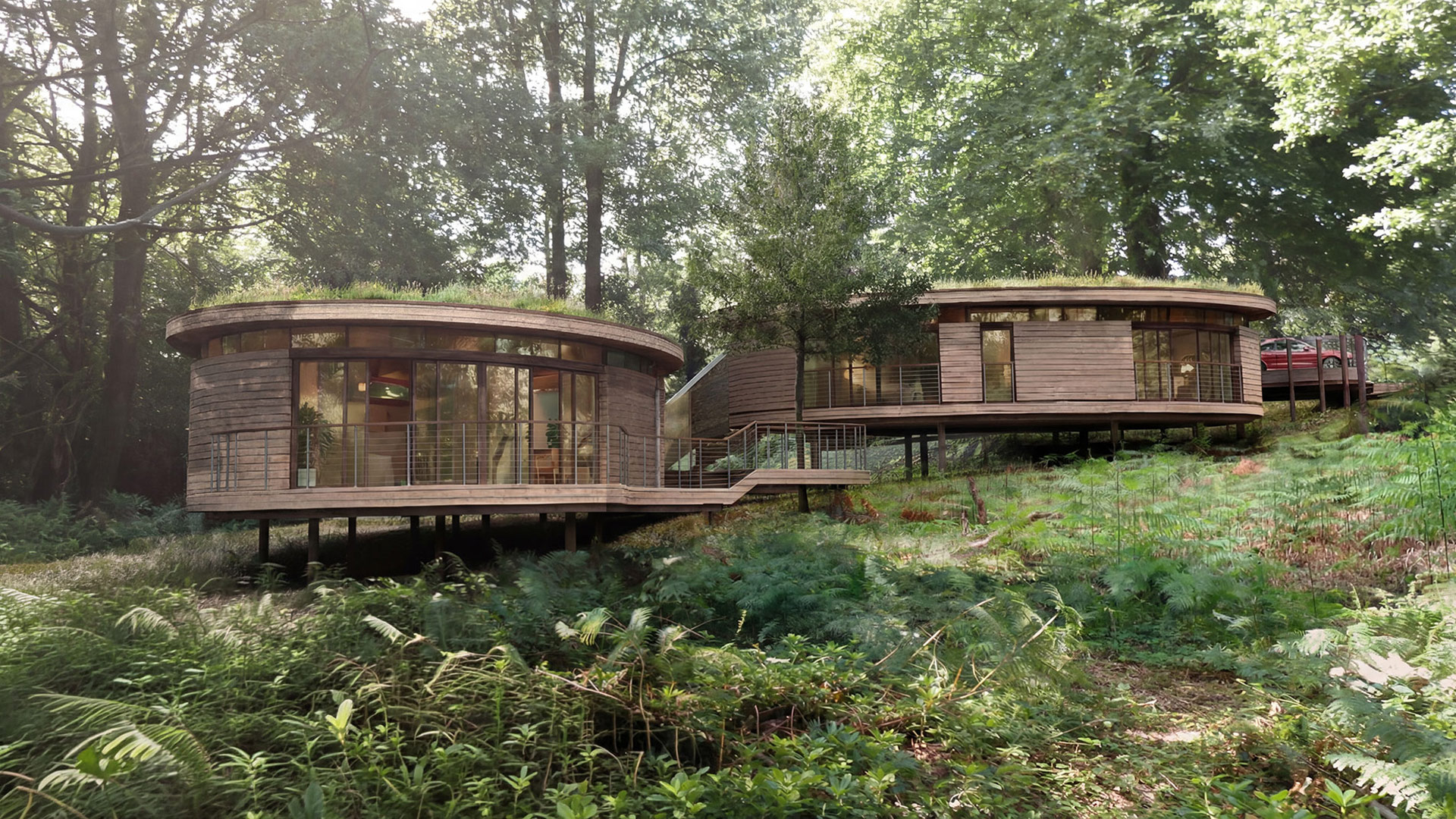
- Timber pod homes among trees, like Clay Lane – several pods linked by walkways, each wrapping around or nestled between mature trees
- Decked or stilt based houses – raised above the ground on timber of steel posts, reducing ground impact and giving a sense of floating among the foliage
- Glazed walkways, terraces, pergolas – bringing light into the house and offering outdoor living spaces that blend directly with the woodland
- Natural materials and finishes – timber cladding, untreated or sustainably treated wood, natural stone, living green roofs, soft weathered finishes that age well
- Off grid features – solar panels, rainwater harvesting, passive design, energy efficient construction
Are woodland homes or tree houses right for you?
This unique style of home will be particularly appealing if you love nature, trees and the idea of a living canopy around you. They can provide privacy and a sense of escape, but without completely disconnecting from modern comforts. As part of the process you will experience the bespoke design process and careful planning and investment. You will value sustainability and eco-conscious living and would like to minimise your impact on the landscape.
They may be less suitable if you prefer large, conventional interiors with larger spaces with minimal maintenance.
Key Points – Pros and Cons at a glance
Pros
- Connection with nature, privacy, views and a home living in the trees, seasonal beauty
- Unique, bespoke architecture, homes as individual as their woodland sites
- Sustainable construction methodology, minimising ground disruption
- Natural materials and finishes that age gracefully and blend with surroundings
- Provision of creative living – pods, terraces, flexible spaces and immersion in nature
Cons/Challenges
- Possible higher initial cost versus traditional build, and possible higher maintenance costs
- Additional design consideration upfront at planning stage to ensure tree preservation, roof protection and natural constraints of trees on each site
- Depending on the site, higher exposure to the elements, requiring good design and construction
- Potential limitations on space
Sound exciting? Read our follow up blog What to Know Before Building a Home Among Trees
Published 21 May 2026